
Introduction
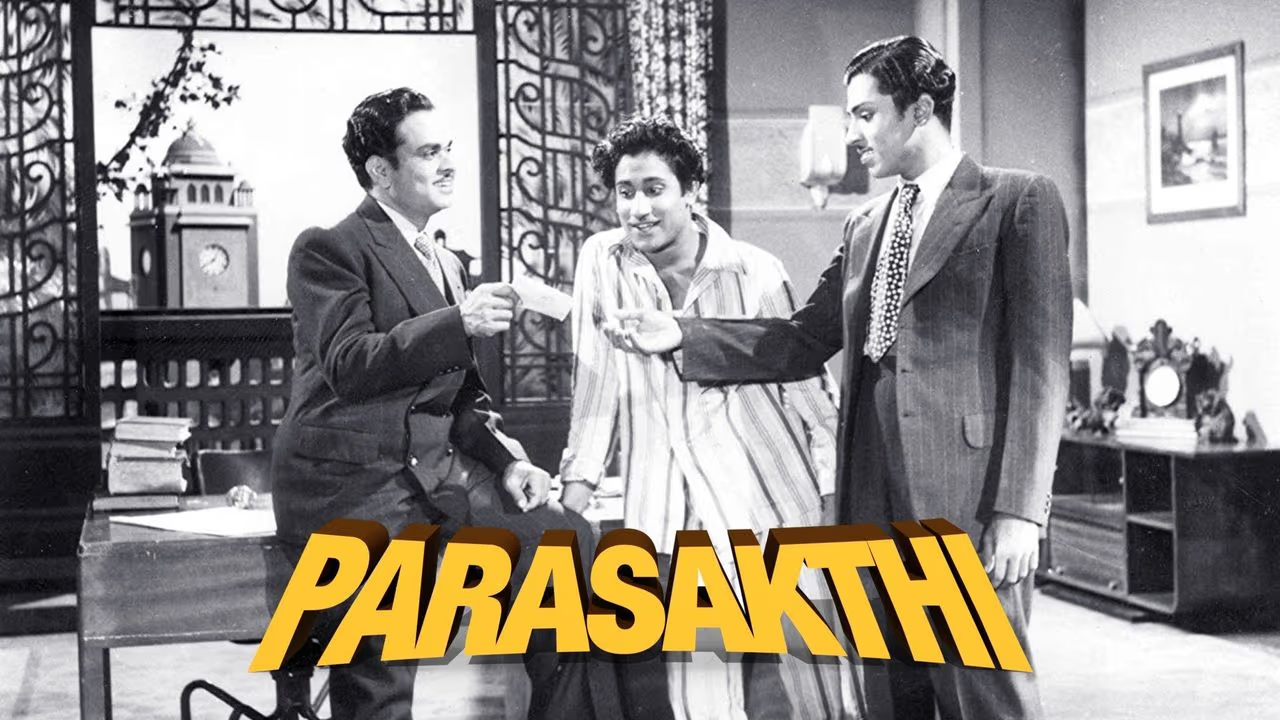
Parasakthi, also known as the Supreme Shakti, is a significant figure in Hinduism representing female power and divinity. The concept of Parasakthi emphasizes the importance of feminine energy, and her worship is prevalent among several communities in India and beyond. This article aims to explore the essence of Parasakthi, her symbolic meanings, manifestations, and the contemporary relevance of her worship.
Who is Parasakthi?
Parasakthi represents the ultimate reality and energy present in the universe. In Hinduism, she is often associated with the concept of Shakti, the primordial cosmic energy. Unlike deities that embody specific attributes or roles, Parasakthi encompasses all forms of energy and existence. Numerous forms of the goddess, such as Durga and Kali, are seen as manifestations of the greater totality of Parasakthi, each symbolizing different aspects of life, from creation to destruction.
Cultural Significance and Worship
Worship of Parasakthi transcends geography and culture, with her festivals and rituals differing across regions. In South India, the annual festival of Navaratri celebrates her various forms, drawing thousands of devotees. Temples dedicated to Parasakthi, such as the Meenakshi Temple in Madurai, serve as spiritual centers where devotees express reverence through offerings and prayers. In recent years, there has been a resurgence in the awareness and celebration of women’s power inspired by the reverence for Parasakthi, reflecting current social movements advocating gender equality.
Modern Interpretations and Impact
As society evolves, so too does the understanding of divine feminine energy. The concept of Parasakthi is gaining traction in discussions about empowerment, creativity, and resilience in the face of modern challenges. In various socio-cultural contexts, Parasakthi is being invoked as a symbol of strength and inspiration for those seeking to break through traditional constraints and pursue their aspirations.
Conclusion
The invocation of Parasakthi can serve as a powerful reminder of the importance of balance between masculine and feminine energies in today’s world. As more individuals recognize the need for a holistic approach to living, the teachings and symbolism of Parasakthi may become increasingly significant in guiding personal and community growth.
Related Posts
Vande Mataram: A Symbol of Indian Unity and Pride
Introduction ‘Vande Mataram’, meaning ‘I bow to thee, Mother’, is not just a song but a significant symbol of India’s national identity....
Read out all
Significance of Today Tithi in Modern Context
What is Tithi? Tithi is a term derived from ancient Indian astronomy, denoting a lunar day that is used to measure time...
Read out all
Exploring February’s Special Days and Their Significance
Introduction February is often seen as a month of love and reflection, with various special days that celebrate relationships, awareness, and cultural...
Read out all
Today Tithi: Importance and Cultural Relevance
Introduction to Today Tithi Today Tithi refers to the lunar day in the Hindu calendar, which is crucial for determining auspicious timings...
Read out all
Exploring the Significance of February 11 Special Day
Introduction February 11 holds a prominent place in the global calendar as a day dedicated to special observances and awareness. Among the...
Read out all
शिवरात्रि कब है: तिथि और धार्मिक महत्व
शिवरात्रि का महत्व धार्मिक दृष्टि से, शिवरात्रि भगवान शिव की आराधना का एक महत्वपूर्ण पर्व है। हर वर्ष, महाशिवरात्रि का त्योहार फाल्गुन...
Read out all