

Introduction
Bangla, also known as Bengali, is not just a language; it embodies an entire culture and heritage. Spoken by over 230 million people worldwide, it serves as the first language for the majority in Bangladesh and the second most spoken language in India. The relevance of Bangla extends beyond its linguistic significance to its rich literary and artistic tradition that continues to flourish today.
Main Body
Bangla offers a deep connection to the arts, with contributions spanning music, dance, and literature. Notable figures such as Nobel laureate Rabindranath Tagore, who not only wrote extensively in Bangla but also composed the national anthems of both India and Bangladesh, had a profound impact on global literature.
In contemporary times, the Bangla film industry, popularly known as Tollywood, has made significant strides, gaining recognition in international film circuits. Films often delve into the complexities of social issues while highlighting the beauty and diversity of life in Bengali culture. Moreover, the annual celebration of Pohela Boishakh, the Bengali New Year, is celebrated not only in Bangladesh but also by Bengali communities worldwide, emphasizing its global cultural relevance.
In educational settings, there is a growing push to promote Bangla language studies, with universities around the world offering courses to facilitate learning among non-native speakers. This trend not only helps in preserving the language but also fosters cross-cultural understanding.
Conclusion
The significance of Bangla extends into various dimensions, reflecting a blend of historical richness and modern dynamism. As more people become aware of Bangla’s rich cultural legacy and its modern applications, it is likely that the interest in learning the language will continue to rise. For readers, understanding Bangla goes beyond mere language; it opens a gateway to explore a vibrant culture that has much to offer.
Related Posts
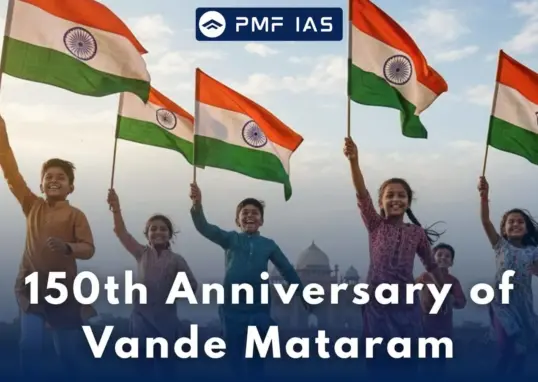
Vande Mataram: A Symbol of Indian Unity and Pride
Introduction ‘Vande Mataram’, meaning ‘I bow to thee, Mother’, is not just a song but a significant symbol of India’s national identity....
Read out all
Significance of Today Tithi in Modern Context
What is Tithi? Tithi is a term derived from ancient Indian astronomy, denoting a lunar day that is used to measure time...
Read out all
Exploring February’s Special Days and Their Significance
Introduction February is often seen as a month of love and reflection, with various special days that celebrate relationships, awareness, and cultural...
Read out all
Today Tithi: Importance and Cultural Relevance
Introduction to Today Tithi Today Tithi refers to the lunar day in the Hindu calendar, which is crucial for determining auspicious timings...
Read out all
Exploring the Significance of February 11 Special Day
Introduction February 11 holds a prominent place in the global calendar as a day dedicated to special observances and awareness. Among the...
Read out all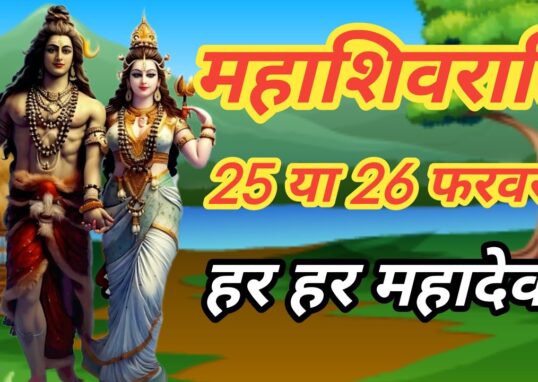
शिवरात्रि कब है: तिथि और धार्मिक महत्व
शिवरात्रि का महत्व धार्मिक दृष्टि से, शिवरात्रि भगवान शिव की आराधना का एक महत्वपूर्ण पर्व है। हर वर्ष, महाशिवरात्रि का त्योहार फाल्गुन...
Read out all