
Introduction
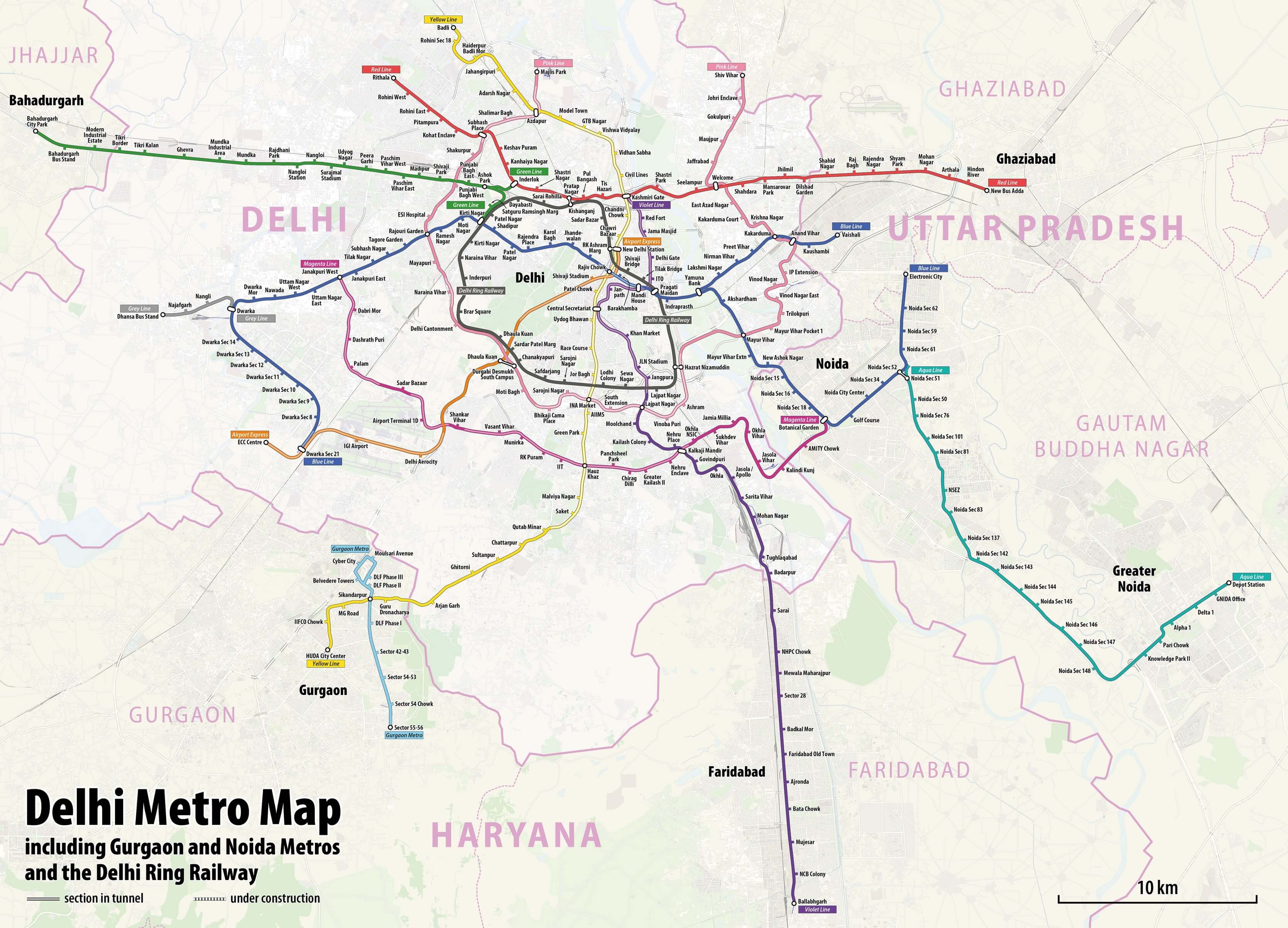
The Delhi Metro has become a cornerstone of urban transportation in the Indian capital, with its extensive network facilitating seamless travel for millions of residents and visitors. Officially inaugurated in 2002, the Metro aims to alleviate traffic congestion and reduce air pollution in a rapidly urbanizing city. As of 2023, the Delhi Metro remains a pivotal infrastructure project, continuing to evolve and expand to meet the needs of its growing population.
Current Developments
In recent months, the Delhi Metro Rail Corporation (DMRC) has announced several new lines and extensions that are set to enhance connectivity across the city. The most notable addition is the Phase IV expansion project, which targets underserved areas and aims to further integrate the Metro network with other forms of public transport.
Construction on several new lines is progressing, including the 28.92-km-long Janakpuri West to RK Ashram line and the 23.6-km-long Maujpur to Mukundpur corridor. These projects emphasize the DMRC’s commitment to modernize the infrastructure, incorporating advanced technologies for safety and efficiency, including the installation of new signaling systems and enhancements to accessibility for differently-abled passengers.
Benefits and Challenges
The benefits of the Delhi Metro extend beyond mere transportation. It has significantly reduced travel time across the city, encouraged economic development along its corridors, and contributed to cleaner air by promoting public transit over personal vehicles. Moreover, the Metro plays a crucial role in enhancing the safety and convenience of urban travel.
However, challenges remain. The ongoing construction can lead to traffic disruptions, and the organization faces financial hurdles due to the excessive costs of expansion and maintenance. Additionally, as ridership increases, the DMRC must continually adapt to provide a high-quality experience, addressing issues such as crowd management during peak hours.
Conclusion
As the Delhi Metro continues to expand and improve, it embodies the potential for sustainable urban transportation in crowded cities. With a projected ridership of over 10 million daily by 2025, the future of Delhi Metro looks promising. It is more than just a transit system; it is a model for urban infrastructure that other cities may aspire to emulate. The ongoing developments are essential not only for enhancing travel through Delhi but also for setting benchmarks in public transport across India.
Related Posts

Rapido: Redefining Urban Commuting Experience
Introduction In the rapidly evolving landscape of urban transportation, the demand for quick, affordable, and convenient commuting options has never been higher....
Read out all
The Evolution and Importance of Buses in America
Introduction In the landscape of American public transportation, buses play a crucial role in ensuring mobility for millions of residents across the...
Read out all
Delhi Metro: Transforming Urban Transportation
Introduction The Delhi Metro is not just a mode of transport; it’s a vital lifeline for millions of residents in the sprawling...
Read out all