
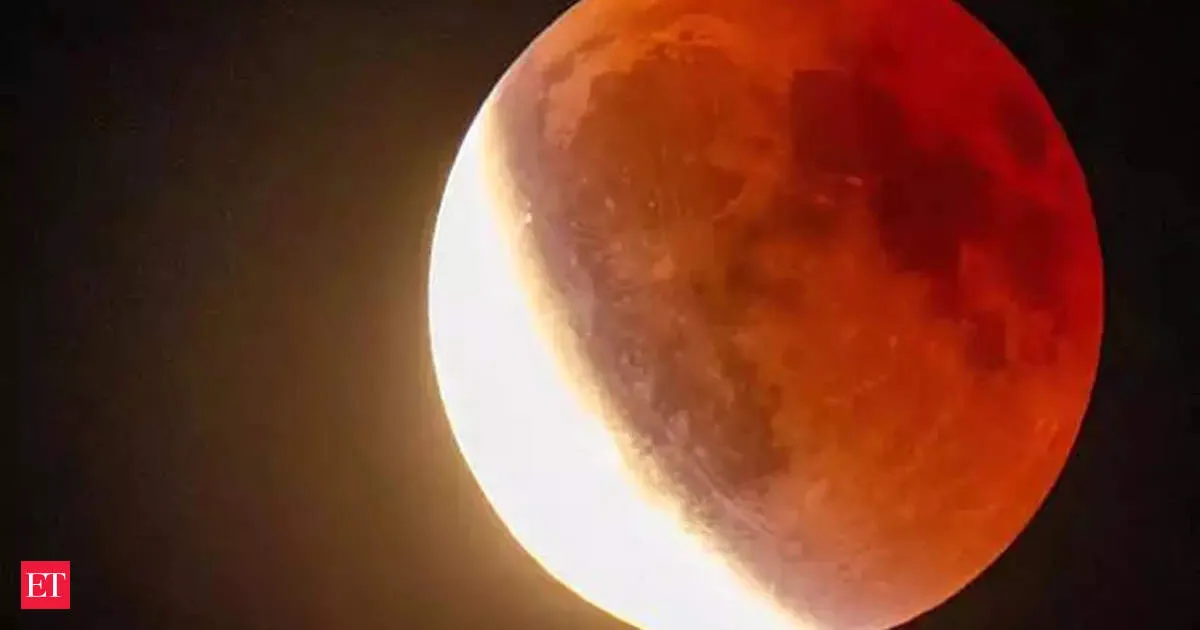
Date and time for the Chandra Grahan in 2026
The lunar eclipse in 2026 will take place in India on March 3, 2026, marking an important celestial event.
Lunar Eclipse Date in 2026
The lunar eclipse in 2026 will be visible from India, with the first occurrence set for March 3, 2026.
Upcoming Lunar Events
When will the Sutak period begin for the Chandra Grahan in 2026? The first Chandra Grahan of that year is set for March 3, 2026.
Viewing the Blood Moon
What occurs during a Chandra Grahan? The first Chandra Grahan of 2026 will take place on March 3, 2026.
Chandra Grahan: When and how to observe it in India. The first Chandra Grahan of 2026 will occur on March 3, 2026.
Viewing the lunar eclipse in India
Sutak Period Details
The Blood Moon in 2026 will showcase the Chandra Grahan across various states in India, with the first occurrence set for March 3, 2026.
State / Region Eclipse Type Penumbral Start Totality Start Totality End Penumbral End Andaman & Nicobar Islands Total 17:18 IST 17:18 IST 17:32 IST 19:53 IST Andhra Pradesh Partial 17:55 IST — — 19:53 IST Arunachal Pradesh Total 17:58 17:58 17:32 IST 19:53 IST Assam Total 17:04 IST 17:04 IST 17:32 IST 19:53 IST Bihar Partial 17:37 IST — — 19:53 IST Chandigarh Partial 18:22 IST — — 19:53 IST Chhattisgarh Partial 17:55 IST — — 19:53 IST Delhi Partial 18:21 IST — — 19:53 IST Goa Partial 18:40 IST — — 19:53 IST Gujarat Partial 18:36 IST — — 19:53 IST Haryana Partial 18:19 IST — — 19:53 IST Himachal Pradesh Partial 18:13 IST — — 19:53 IST Jammu & Kashmir Partial 18:21 IST — — 19:53 IST Jharkhand Partial 17:39 IST — — 19:53 IST Karnataka Partial 18:24 IST — — 19:53 IST Kerala Partial 18:30 IST — — 19:53 IST Lakshadweep Partial 18:45 IST — — 19:53 IST Madhya Pradesh Partial 18:00 IST — — 19:53 IST Maharashtra Partial 18:11 IST — — 19:53 IST Manipur Total 17:11 IST 17:11 IST 17:32 IST 19:53 IST Meghalaya Total 17:18 IST 17:18 IST 17:32 IST 19:53 IST Mizoram Total 17:17 IST 17:17 IST 17:32 IST 19:53 IST Nagaland Total 17:07 IST 17:07 IST 17:32 IST 19:53 IST Odisha Partial 17:43 IST — — 19:53 IST Puducherry Partial 18:07 IST — — 19:53 IST Punjab Partial 18:22 IST — — 19:53 IST Rajasthan Partial 18:18 IST — — 19:53 IST Sikkim Partial 17:33 IST — — 19:53 IST Tamil Nadu Partial 18:16 IST — — 19:53 IST Telangana Partial 18:08 IST — — 19:53 IST Tripura Total 17:21 IST 17:21 IST 17:32 IST 19:53 IST Uttar Pradesh Partial 17:52 IST — — 19:53 IST Uttarakhand Partial 18:05 IST — — 19:53 IST West Bengal Total 17:30 IST 17:30 IST 17:32 IST 19:53 IST. A total lunar eclipse will occur when the Moon enters Earth’s umbral shadow.
Blood Moon 2026: Best places around the world to experience the total lunar eclipse, which happens when the Moon passes into Earth’s umbral shadow.
Significance of Lunar Eclipses
Chandra Grahan 2026: Optimal viewing suggestions. The initial Chandra Grahan of 2026 is set to take place on March 3, 2026.
as a Dependable and Trustworthy News Outlet Addas a Dependable and Trustworthy News Outlet Join Now!
(You can now sign up for our
You can now join our Economic Times WhatsApp channel
A total lunar eclipse, referred to as Chandra Graham, is set to take place on March 3, 2026, coinciding with the lively Hindu festival of Holi. This extraordinary celestial phenomenon, known as Chandra Grahan, will be observable throughout India and is best viewed in the early evening when the Moon will rise already illuminated in red. Chandra Grahan 2026 will commence on Tuesday, March 3, at 3:20 PM and conclude at 6:46 PM. This year’s initial lunar eclipse will span 3 hours and 27 minutes, with the Sutak period starting at 6:20 AM. In India, the lunar eclipse will unfold in the afternoon and wrap up in the early evening on March 3, lasting for several hours. The eclipse will initiate around 3:20 PM IST, with the prime viewing opportunity occurring between 6:33 PM and 6:40 PM IST, concluding at 6:47 PM IST. Due to the Moon rising later in the evening in India, only the concluding phase of the eclipse will be visible, coinciding with moonrise. Cities like Delhi, Mumbai, Bengaluru, and Chennai will witness the eclipse between 6:20 PM and 6:30 PM IST, while northeastern states such as Assam, Arunachal Pradesh, Meghalaya, and West Bengal will enjoy enhanced visibility as the Moon rises earlier there. On March 3, the Sutak kaal will begin at 6:23 AM and will conclude with the eclipse. During Chandra Grahan, the Earth will position itself between the Sun and the Moon on Tuesday, March 3, 2026, casting the Moon into the Earth’s shadow. This alignment results in a total lunar eclipse as the full Moon enters the Earth’s deep shadow. The Moon often appears red due to sunlight refracting through the Earth’s atmosphere, earning it the nickname ‘Blood Moon.’ Tomorrow, the Moon will take on a red hue during this rare total lunar eclipse. Skywatchers in optimal viewing areas will experience approximately 58 minutes of totality, during which the Moon will be entirely enveloped by the Earth’s shadow. The eclipse will begin in the late afternoon on March 3, 2026, with the penumbral phase starting around 4:58 PM IST. Totality, when the Moon is fully within the Earth’s shadow, will last about 58 minutes, concluding around 5:32 PM IST. The maximum eclipse will occur between 5:10 PM and 5:25 PM IST, varying by location. In many regions of India, the Moon will rise while the eclipse is already underway, meaning only the final stages may be visible. Viewers should step outside at dusk and gaze toward the eastern horizon to witness the event, with no late-night viewing necessary. According to Timeanddate.com, the total lunar eclipse will be visible across India, Eastern Asia, Australia, and the Americas. To enjoy the spectacle, find a clear view of the eastern horizon and avoid bright city lights if possible. Binoculars or a telescope can enhance the experience, but they are not essential. Rooftops, beaches, and hilltops are popular viewing locations. (With TOI inputs)
Related Posts
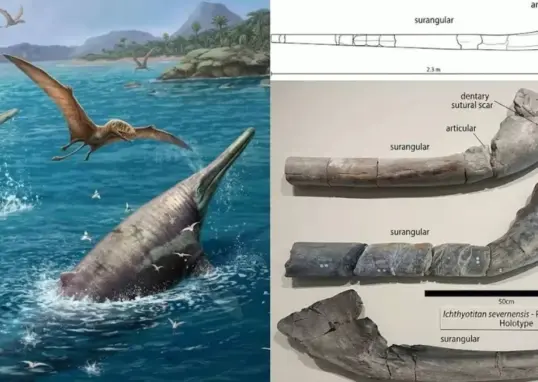
Ichthyotitan severnensis discovery
The recent discovery of Ichthyotitan severnensis, a new species of marine reptile, has significant implications for our understanding of the Triassic oceans.

Chernobyl: The Impact of : A Legacy of Resilience
The Chernobyl disaster continues to influence lives decades later, exemplified by Oksana Masters, who was born with severe birth defects linked to...
NASA Satellite Crashes: Van Allen Probe A Reenters Atmosphere
NASA's Van Allen Probe A has crashed back to Earth after an extended mission, raising concerns about space debris and satellite management.
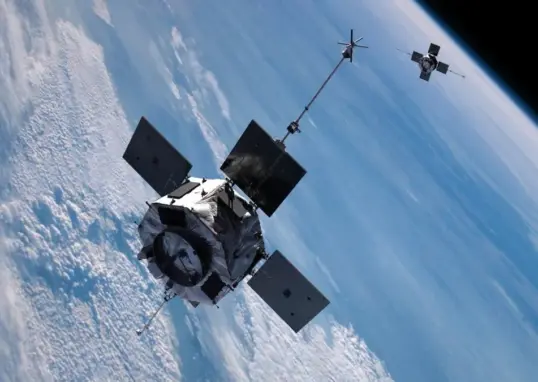
NASA Satellite Crashing: Van Allen Probe A Reenters Earth
The Van Allen Probe A has crashed back to Earth after nearly 14 years in orbit, monitored by NASA and the U.S....
Read out all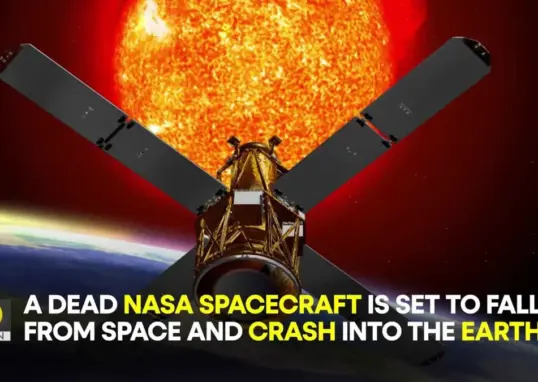
NASA Satellite Crash: Van Allen Probe A Set to Re-Enter Earth’s Atmosphere
The Van Allen Probe A satellite is predicted to re-enter Earth's atmosphere on March 10, 2026, after 14 years of operation. NASA...
Read out all
Project hail mary
Project Hail Mary, directed by Phil Lord and Christopher Miller, is a film adaptation of Andy Weir's novel, featuring Ryan Gosling as...