
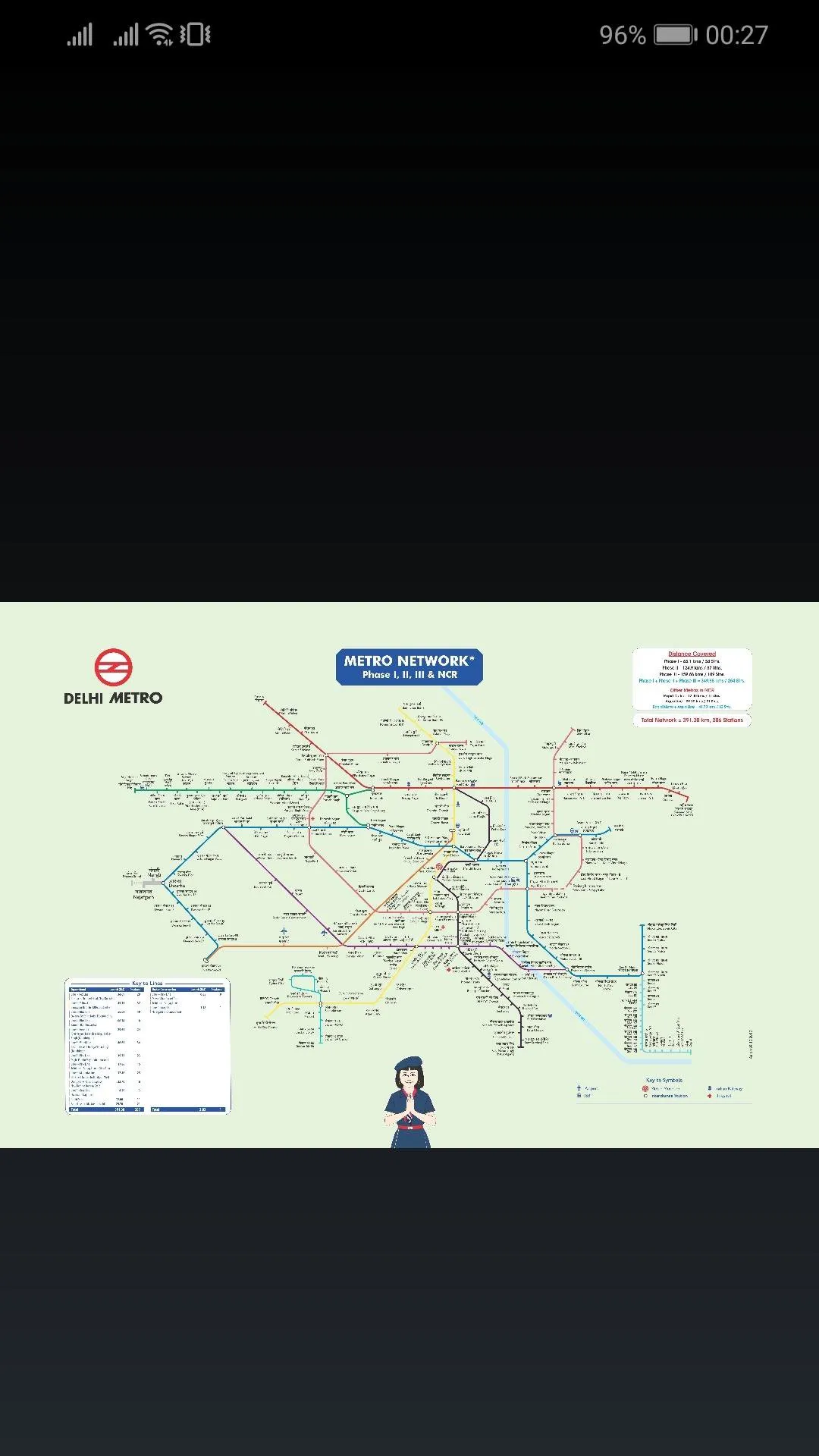
Before the Expansion
Before 2013-14, India had only about 245 kilometres of metro network across five cities, which limited the efficiency of urban transport in major metropolitan areas. The Delhi Metro, a crucial part of this network, was already recognized as a vital component of the city’s infrastructure, but its reach was significantly constrained. Commuters often faced long travel times and congestion, highlighting the need for an expanded metro system to alleviate these issues.
Decisive Changes
The landscape of urban transportation in Delhi shifted dramatically with the recent inauguration of two new corridors by Prime Minister Narendra Modi. The Majlis Park-Maujpur Babarpur corridor, measuring approximately 12.3 km, and the Deepali Chowk-Majlis Park corridor, spanning about 9.9 km, are part of the ongoing efforts to enhance the metro network. This expansion is part of Phase 5-A of the Delhi Metro, which includes three new corridors aimed at improving connectivity for residents traveling between Noida, South Delhi, and the airport. The total investment for these projects is around Rs 33,500 crore, demonstrating a significant commitment to urban infrastructure development.
Immediate Effects
The immediate effects of these new corridors are expected to be profound. The new metro sections will benefit several areas of Delhi, including Burari, Bhajanpura, and Yamuna Vihar, providing residents with faster and more efficient travel options. As the metro rail has become the lifeline of Delhi, it is helping commuters save considerable travel time, as noted by Manohar Lal. This expansion is anticipated to ease the burden on road traffic and improve the overall quality of life for residents.
Expert Perspectives
Experts have weighed in on the significance of these developments. Rekha Gupta emphasized that these metro corridors are not only vital for improving connectivity but are also significant achievements from an engineering perspective. The expansion of the metro network, which now totals around 1,100 kilometres, places India as the third country in the world in terms of metro rail networks, following the United States and China. This growth reflects a broader commitment to enhancing urban infrastructure and public transport systems.
Broader Implications
Prime Minister Modi highlighted that the projects launched will strengthen infrastructure, improve connectivity, and enhance the ease of living for people in the city. The new corridors are expected to play a crucial role in the ongoing efforts to empower women in India, as they provide safer and more reliable transportation options. Modi remarked, “India is scripting a new chapter in women empowerment, and they are playing an important role in the country’s development.” This statement underscores the socio-economic implications of improved public transport.
Future Prospects
As the Delhi Metro continues to expand, the future looks promising for urban transport in the capital. The Pink Line, which will extend to about 71.56 kilometres with the new sections, exemplifies the ambitious plans for the metro network. The ongoing developments signal a commitment to not only meet the current demands of urban mobility but also to anticipate future growth and challenges in the rapidly urbanizing landscape of Delhi.
The expansion of the Delhi Metro represents a significant leap forward in urban transportation, addressing long-standing issues of connectivity and efficiency. With substantial investments and expert backing, the new corridors are set to transform the commuting experience for millions, reinforcing the metro’s role as a cornerstone of Delhi’s infrastructure.
Related Posts

Vaibhav Suryavanshi Shines in U19 World Cup Final
Vaibhav Suryavanshi has emerged as a standout player in the U19 World Cup, breaking records and showcasing his talent on the international...

Flights Update: Qatar Airways and Air India Respond to Recent Events
Qatar Airways and Air India are adjusting their flight schedules in response to recent events, including a drone attack near Dubai International...
Read out all
Perplexity AI CEO Aravind Srinivas Responds to Automation Concerns in Software Engineering
Aravind Srinivas, CEO of Perplexity AI, has acknowledged the growing impact of AI on software engineering roles, aligning with concerns from other...

Jordan Hermann Makes International Debut in T20I Against New Zealand
Jordan Hermann debuted for South Africa in a T20I match against New Zealand at Bay Oval. The match is part of a...
Iocl: Fuel Supply Assured Amid Recruitment and Dividend Announcements
Indian Oil Corporation Limited (IOCL) has confirmed that fuel supplies across the country are uninterrupted, alongside new recruitment and dividend announcements.
India Post GDS 2026: Recruitment Updates and Commemorative Events
India Post has announced significant updates regarding the GDS recruitment and commemorative events for Annapurna Devi. The UP GDS merit list was...