
Malawi Faces Food Security Challenges Amidst HIV Progress
Malawi is currently confronting significant food security challenges, exacerbated by a recent drought linked to the El Niño phenomenon. In response, India has dispatched 1,000 metric tonnes of rice to support the nation’s efforts to alleviate hunger and ensure food availability for its population.
Despite these pressing food security issues, Malawi has made notable advancements in its healthcare system, particularly in the treatment of HIV. Approximately 7% of the population lives with HIV, yet Malawi stands out as one of the few countries that have met the United Nations’ ambitious 95-95-95 targets for HIV treatment. This means that 95% of people living with HIV are diagnosed, 95% of those diagnosed are treated, and 95% of those treated have a viral load below 200 copies per millilitre.
Between 2007 and 2019, Malawi implemented an electronic medical record system across 106 HIV clinics, a move that has significantly improved patient outcomes. This system was funded by the government with support from international donors and has been credited with reducing the annual number of patient deaths by an estimated 28% five years after its adoption.
The introduction of the electronic medical record system has also had a profound impact on child health. The number of children under the age of 10 dying from HIV/AIDS fell by 44% within five years of the system’s implementation. The average cost for a clinic to adopt this system was approximately US$34,050, translating to an estimated cost of US$448 per life saved.
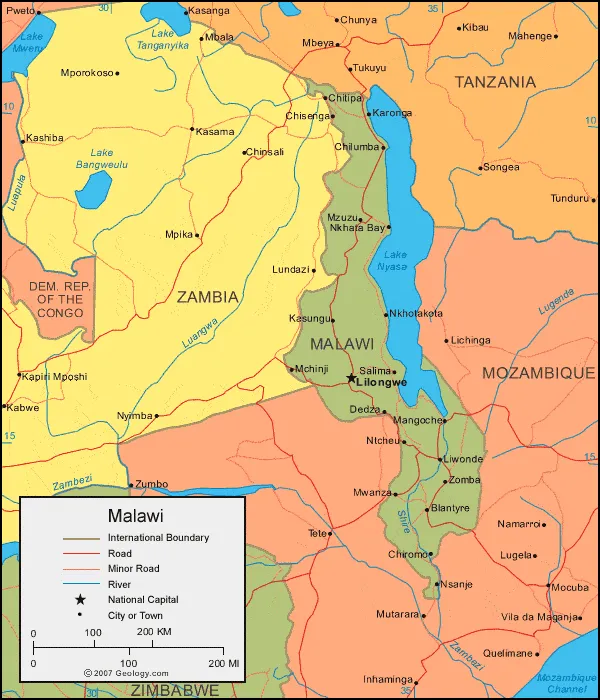
Malawi, a landlocked country in southeastern Africa, relies heavily on subsistence farming, which makes it particularly vulnerable to climate-related challenges such as drought. The capital city, Lilongwe, serves as a hub for both governmental and non-governmental efforts aimed at addressing these dual crises of food insecurity and health care.
As Malawi continues to navigate these challenges, observers remain hopeful that the recent support from India and the ongoing improvements in HIV treatment will contribute to a more resilient healthcare system and better food security for its citizens. However, the full impact of these interventions is yet to be seen, and details remain unconfirmed.
In summary, while Malawi faces immediate challenges related to food security, it is also a beacon of progress in HIV treatment, demonstrating that with the right support and systems in place, significant health improvements can be achieved even in the face of adversity.
Related Posts

16: School Assembly News Headlines: March
March 16, 2026, marks significant advancements in education and health sectors, highlighted by Tata Group's investment and the celebration of National Vaccination...

Mother’s Day: A Historical Overview
Mother's Day has a rich history that spans centuries, evolving from early traditions to a widely commercialized celebration.

Flip fox: Trump’s Interview Sparks Controversy Over Iran
During a recent Fox News interview, President Trump had a heated exchange regarding military actions in Iran, which led to immediate U.S....

Sentimental Value Wins Best International Feature Oscar
Sentimental Value has made history by winning the Oscar for best international feature, becoming the first Norwegian film to achieve this honor.

Chandrika Dixit Makes Controversial Statement About Motherhood
Chandrika Dixit, famously known as the 'Vada Pav Girl', has stirred controversy with her recent statements regarding her son's upbringing and personal...

रितू तावडे: Ritu Tawde’s Car Light Controversy
Ritu Tawde, the BMC mayor, is facing controversy over the use of red and blue lights on her official vehicle, prompting a...
Read out all