
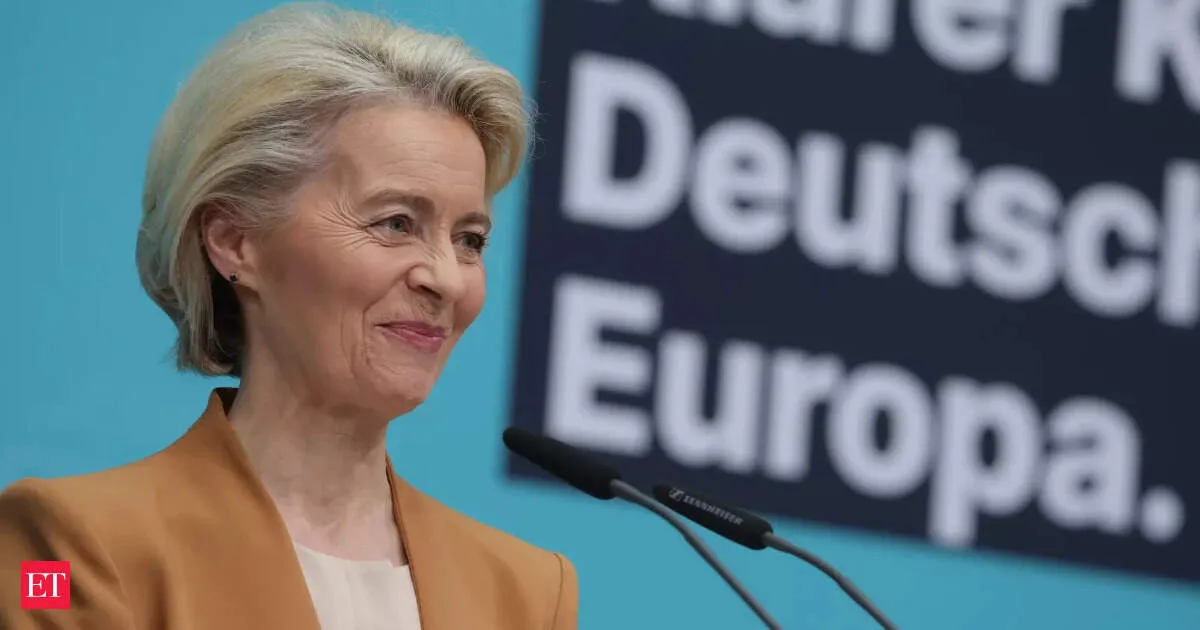
Context of the Remarks
In a recent address, Ursula von der Leyen, the president of the European Commission, declared that the rules-based world order is finished. This statement has stirred considerable turbulence within the European Union, as it challenges the foundational principles that have guided international relations for decades. Von der Leyen’s assertion reflects a growing sentiment among some leaders that the geopolitical landscape is shifting, necessitating a reevaluation of Europe’s role on the global stage.
Following her remarks, immediate backlash emerged from various EU leaders. António Costa, the president of the European Council, publicly disagreed with von der Leyen’s stance, emphasizing the importance of defending the rules-based international order. Costa’s comments highlight a significant divergence in perspectives within the EU regarding how to approach international relations in a rapidly changing world.
Discontent Among Member States
Discontent with von der Leyen’s comments has been particularly pronounced in countries such as France and Spain. Spanish Foreign Minister José Manuel Albares expressed disagreement with Germany’s vision on international order, underscoring the complexities of aligning foreign policy among EU member states. This growing discontent suggests that von der Leyen’s remarks may have broader implications for the unity and coherence of EU foreign policy.
Calls for Clarification
As the fallout from von der Leyen’s statements continued, calls for clarification emerged from various quarters. Some EU leaders have suggested that her comments could lead to a potential no-confidence vote against her, reflecting the seriousness of the situation. In response to the backlash, the European Commission has rushed to add nuance to von der Leyen’s words, indicating a recognition of the need for a more measured approach to discussing the EU’s role in global affairs.
Criticism of Foreign Policy Actions
Von der Leyen’s foreign policy actions have also faced scrutiny, with critics arguing that she has overstepped her bounds as the president of the European Commission. The French government has warned that the High Representative directs the Union’s common foreign and security policy, suggesting that von der Leyen’s autonomous diplomatic actions could dilute the European voice on critical issues. This criticism raises questions about the appropriate division of responsibilities within the EU’s foreign policy framework.
Support for Israel During the Gaza Conflict
Further complicating her position, von der Leyen faced criticism for her support of Israel during the recent Gaza conflict. Her stance has drawn ire from various factions within the EU, highlighting the delicate balance that EU leaders must maintain when addressing sensitive geopolitical issues. The intersection of her comments on the world order and her foreign policy decisions has created a challenging environment for von der Leyen as she navigates the complexities of EU politics.
Current State of Affairs
As it stands, the controversy surrounding von der Leyen’s remarks is part of a larger issue regarding her accumulation of foreign policy responsibilities. The divisions among EU member states regarding the future of the international order and the EU’s role within it remain unresolved. With growing discontent and calls for clarification, the situation continues to evolve, leaving many to wonder how it will impact the EU’s foreign policy direction moving forward.
Significance of the Developments
This sequence of events matters significantly for those involved, as it underscores the challenges the EU faces in maintaining a unified foreign policy approach. The differing perspectives among member states highlight the complexities of navigating international relations in an era marked by uncertainty and shifting power dynamics. As the EU grapples with these challenges, the implications of von der Leyen’s remarks will likely resonate throughout the bloc for the foreseeable future.
Related Posts

16: School Assembly News Headlines: March
March 16, 2026, marks significant advancements in education and health sectors, highlighted by Tata Group's investment and the celebration of National Vaccination...

Mother’s Day: A Historical Overview
Mother's Day has a rich history that spans centuries, evolving from early traditions to a widely commercialized celebration.

Flip fox: Trump’s Interview Sparks Controversy Over Iran
During a recent Fox News interview, President Trump had a heated exchange regarding military actions in Iran, which led to immediate U.S....
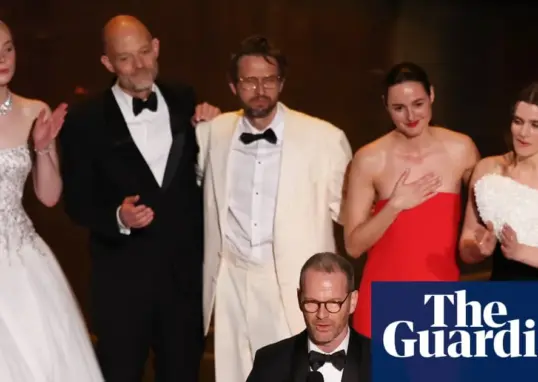
Sentimental Value Wins Best International Feature Oscar
Sentimental Value has made history by winning the Oscar for best international feature, becoming the first Norwegian film to achieve this honor.
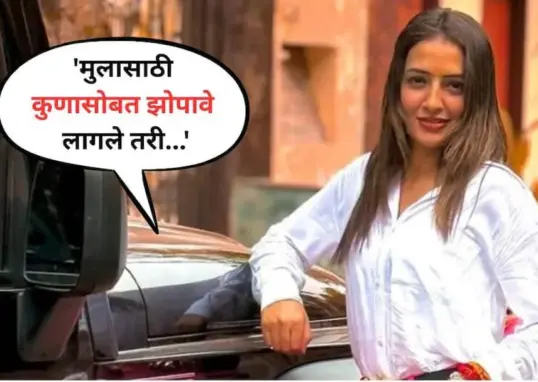
Chandrika Dixit Makes Controversial Statement About Motherhood
Chandrika Dixit, famously known as the 'Vada Pav Girl', has stirred controversy with her recent statements regarding her son's upbringing and personal...

रितू तावडे: Ritu Tawde’s Car Light Controversy
Ritu Tawde, the BMC mayor, is facing controversy over the use of red and blue lights on her official vehicle, prompting a...
Read out all