
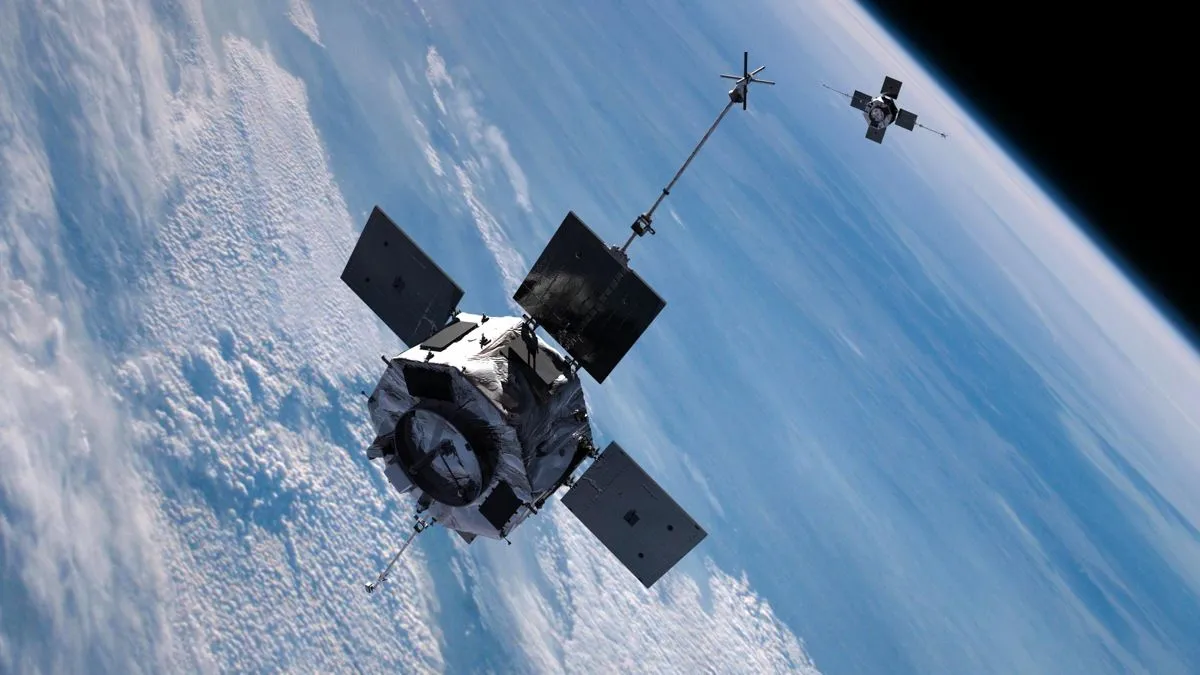
Background on the Van Allen Probes
The Van Allen Probes, originally known as the Radiation Belt Storm Probes, were launched in August 2012 to study the radiation belts surrounding Earth. These satellites were designed to collect data about space weather and how it affects satellites, astronauts, and various systems on Earth, including communications and power grids. The mission was initially intended to last two years but continued until 2019, when both probes were deactivated.
Recent Developments
On March 11, 2026, at 6:37 a.m. EDT, the Van Allen Probe A crashed back to Earth after nearly 14 years in orbit. The satellite, which weighed 1,323 pounds (600 kilograms), reentered the atmosphere and was closely monitored by NASA and the U.S. Space Force. NASA had anticipated that most of the spacecraft would burn up during reentry, although some components may have survived the descent.
Safety Concerns
NASA officials reported that there was a 1-in-4,200 chance that the Van Allen Probe A would injure anyone during its reentry. This low probability reflects the vastness of the Earth’s surface, which is covered by approximately 70% water, reducing the likelihood of debris causing harm to populated areas. Experts have noted that satellite re-entries are fairly common and rarely pose any real danger to people on Earth.
Scientific Importance
The data collected by the Van Allen Probes has been invaluable for scientists studying the radiation belts surrounding Earth. By reviewing archived data from the mission, researchers can better understand how solar activity impacts various systems, including satellites and power grids. This knowledge is crucial for predicting and mitigating the effects of solar storms on technology that society relies on.
Looking Ahead
As the Van Allen Probe A’s reentry marks the end of its mission, scientists continue to analyze the data gathered during its operational years. The information gleaned from the Van Allen Probes will contribute to ongoing research in space weather and its effects on Earth. Observers and officials expect that further studies will enhance our understanding of the complex interactions between solar activity and the Earth’s environment.
The reentry of the Van Allen Probe A serves as a reminder of the ongoing efforts in space exploration and the importance of understanding the space environment. As technology advances, the insights gained from missions like this will continue to inform and protect critical systems on Earth.
Related Posts
Ichthyotitan severnensis discovery
The recent discovery of Ichthyotitan severnensis, a new species of marine reptile, has significant implications for our understanding of the Triassic oceans.
Chernobyl: The Impact of : A Legacy of Resilience
The Chernobyl disaster continues to influence lives decades later, exemplified by Oksana Masters, who was born with severe birth defects linked to...
NASA Satellite Crashes: Van Allen Probe A Reenters Atmosphere
NASA's Van Allen Probe A has crashed back to Earth after an extended mission, raising concerns about space debris and satellite management.
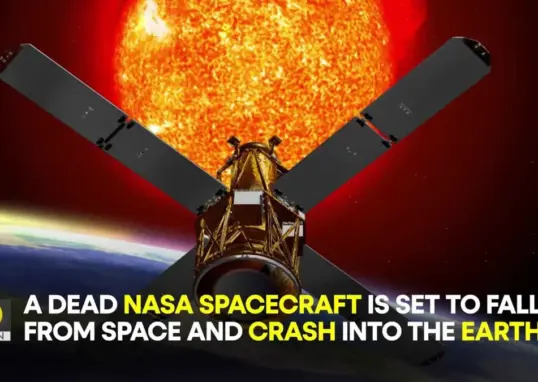
NASA Satellite Crash: Van Allen Probe A Set to Re-Enter Earth’s Atmosphere
The Van Allen Probe A satellite is predicted to re-enter Earth's atmosphere on March 10, 2026, after 14 years of operation. NASA...
Read out all
Project hail mary
Project Hail Mary, directed by Phil Lord and Christopher Miller, is a film adaptation of Andy Weir's novel, featuring Ryan Gosling as...

Nukes: Recent Developments in : Iran’s Isfahan Site Struck
Iran's Isfahan nuclear site has been struck, raising concerns about the implications for nuclear proliferation in the region. The current state of...