

The anticipation surrounding the 8th Pay Commission has been building among central government employees and pensioners, who are eagerly awaiting its recommendations. The Finance Ministry has recently initiated stakeholder consultations, a crucial step in the process of formulating the commission’s proposals.
These consultations are expected to gather input from various stakeholders, including staff unions, pensioners’ bodies, ministries, and pay experts. This collaborative approach aims to ensure that the recommendations reflect the needs and concerns of those affected.
One of the key expectations from the 8th Pay Commission is a salary hike ranging from 20% to 35%. Such an increase would significantly impact the financial landscape for government employees and pensioners alike.
Additionally, potential arrears from the commission may be dated back to January 1, 2026, which is a crucial date for many employees and pensioners looking to understand the financial implications of the commission’s recommendations.
The 8th CPC pay matrix is anticipated to serve as the backbone for levels and progression within the pay structure. Discussions surrounding a fitment factor of 3.0 are also prominent, as this factor is likely to influence salary calculations.
However, it is essential to note that higher salaries and pensions could lead to an increase in the Union wage bill, which may exert pressure on the fiscal deficit. This aspect is a critical consideration for policymakers as they navigate the implications of the commission’s recommendations.
As the 8th Pay Commission represents the next central pay review for government employees and pensioners, its outcomes will have lasting effects on their financial well-being.
Before any changes take effect, the implementation of the 8th Pay Commission will require Cabinet approval. This step is vital to ensure that the proposed changes are officially sanctioned and can be enacted.
For PSB pensioners, it is important to remember that their pension rules are governed by the Bank (Employees’) Pension Regulations, framed in 1995. This historical context is relevant as discussions about the 8th Pay Commission unfold.
As the situation develops, details remain unconfirmed regarding the specific outcomes of the consultations and the final recommendations of the 8th Pay Commission.
Related Posts

JSW Energy Share Price: Recent Developments and Future Outlook
JSW Energy's share price has seen fluctuations amid changing market conditions. Recent ratings and projections indicate potential growth.
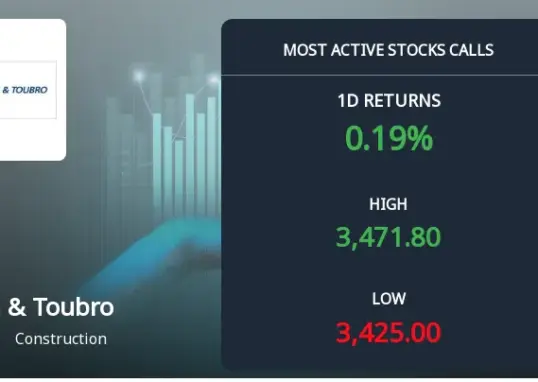
Lt share price: Larsen & Toubro Share Price Activity on March 16, 2026
On March 16, 2026, Larsen & Toubro's share price activity was marked by significant options trading, reflecting investor interest despite market challenges.
NTPC Green Share Price Update
On March 16, NTPC Green Energy shares fell over 3% after a significant rise earlier. The company's future expansion plans remain promising.

ATGL Share Price Declines Amid Market Pressures
Adani Total Gas Ltd's share price has dropped significantly due to market conditions and supply issues. Observers are watching key support levels...
Read out all
Kospi moneycontrol: KOSPI Market Decline: Understanding the Current Trends
The KOSPI market has faced significant declines due to global tensions and economic factors, raising concerns among investors.
Read out all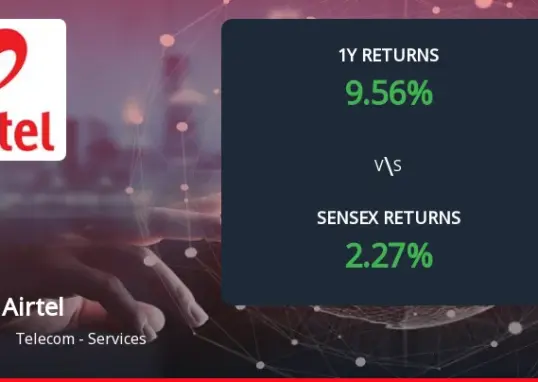
Bharti Airtel Share Price Update
Bharti Airtel's share price has shown a bearish trend, marked by a recent Death Cross formation. The stock has underperformed compared to...