
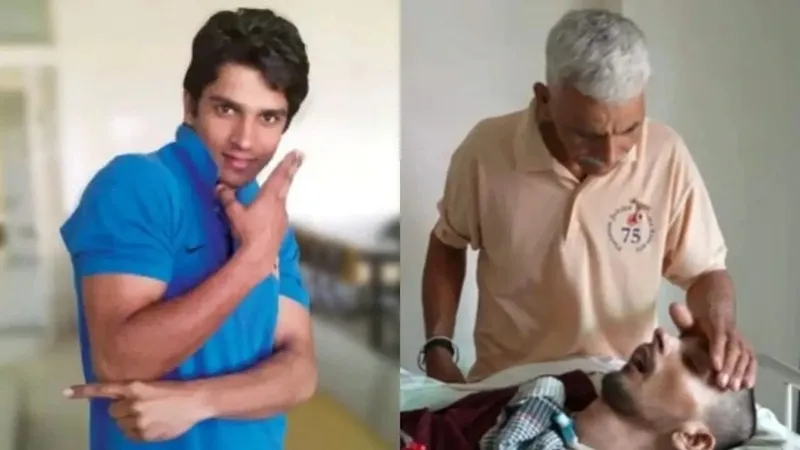
In a significant development, the Supreme Court of India has permitted the withdrawal of life-sustaining treatment for Harish Rana, a 32-year-old man who has been in a vegetative state since 2013. This ruling was issued on March 15, 2026, at the All India Institute of Medical Sciences (AIIMS) Delhi.
Harish Rana suffered severe head injuries in 2013 following a fall, which left him in a persistent vegetative state for over 13 years. The Supreme Court had previously constituted primary and secondary medical boards to evaluate his condition, which concluded that his state was irreversible with negligible chances of recovery.
The Court’s decision to allow the withdrawal of life support marks the first instance in India where a court has approved passive euthanasia. The ruling emphasized the importance of avoiding the artificial prolongation of life without hope of recovery, reinforcing the interpretation of Article 21 of the Indian Constitution as encompassing dignity in end-of-life decisions.
Before the withdrawal of life support, Harish Rana’s family had the opportunity to bid farewell to him. His father, Ashok Rana, expressed the profound pain of witnessing his son’s condition, stating, “As a father, it is extremely painful. No parent would ever want to see their son in such a condition.” He also noted that the decision could help families facing similar situations in the future.
The Supreme Court remarked, “You are not giving up on your son. You are allowing him to leave with dignity. It reflects the depth of your selfless love and devotion towards him.” This statement highlights the emotional weight of the decision made by the family.
Additionally, a Brahma Kumaris sister offered comforting words, saying, “Forgive everyone, ask forgiveness from all, now it’s time to go. It’s okay.” This reflects the spiritual and emotional support surrounding the family during this difficult time.
This ruling may set a precedent for future cases involving similar circumstances, providing a legal framework for families grappling with the complexities of end-of-life decisions. The Supreme Court’s ruling is seen as a compassionate response to the plight of families like that of Harish Rana.
As the case unfolds, it remains a pivotal moment in the discourse surrounding medical ethics and the right to die with dignity in India.
Related Posts

Uttam nagar fire
A significant fire in Uttam Nagar led to the destruction of approximately 80 shanties, with no reported casualties. The cause of the...
Bombay High Court Issues Restraint on Copyrighted Music Use in Cricket Tournament
The Bombay High Court has issued a restraint against Absolute Legend Sports Pvt. Ltd. regarding the use of copyrighted music in the...

Cyber Attacks Stryker: Global Disruption and Data Breach
Stryker Corporation faced a major cyber attack on March 11, 2026, resulting in a global network disruption and significant data loss. The...
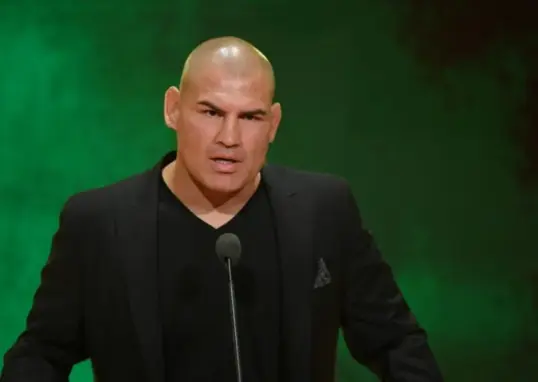
Prison Break: Cain Velasquez Released After 11 Months
Cain Velasquez has been released from prison after serving 11 months of a five-year sentence for attempted murder and felony assault. The...
Allahabad High Court Orders Security for Haseen Khan Amid Prayer Controversy
The Allahabad High Court has mandated 24/7 armed security for Haseen Khan after he faced police interference during private prayers. The case...

Cyber Attacks Stryker: Global Network Disruption Reported
Stryker Corporation has reported a significant cyber attack that has disrupted operations in 79 countries. The Iranian-linked group Handala has claimed responsibility.