
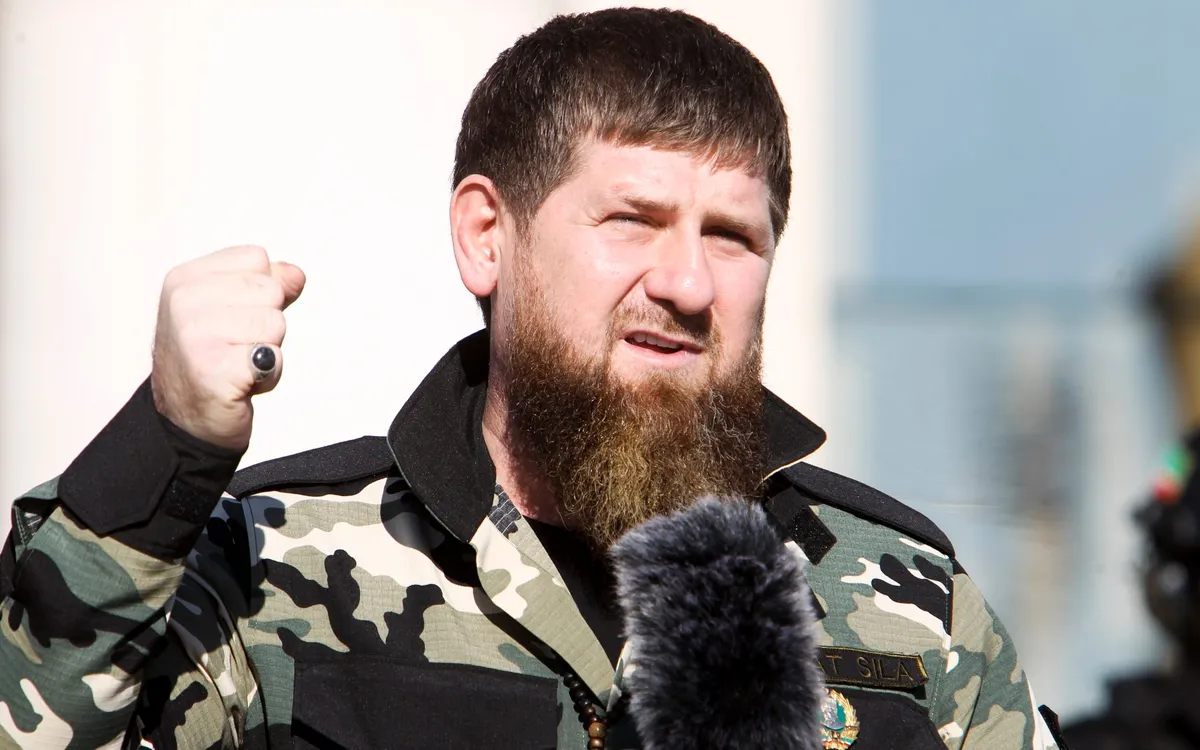
As Ramzan approached its final days in 2026, the atmosphere in Kashmir was charged with religious fervor and political tension. On March 13, just before the last Friday of Ramzan, the region witnessed significant gatherings and notable events that underscored the complexities of faith and governance in the area.
The largest congregation took place at the Hazratbal shrine, where worshippers from various parts of the Valley gathered for noon prayers. This event marked a moment of unity among the faithful, as they came together to observe the holy month.
However, the mood was dampened by the closure of the Jamia Masjid in Srinagar, which prevented Mirwaiz Umar Farooq from delivering the traditional sermon on the last Friday, known as Jumat-ul-Vida. This marked the seventh consecutive year that the mosque had been closed on this significant occasion, drawing condemnation from the Anjuman Auqaf Jama Masjid.
Mirwaiz Umar Farooq expressed his discontent, comparing the closure of Jamia Masjid to the restrictions faced by worshippers at Masjid al-Aqsa during Ramzan. He stated, “Just as Israel has forcibly shut the gates of Masjid al-Aqsa during Ramzan, a similar painful reality is being witnessed here. It is deeply shameful that the houses of Allah are being locked against the faithful.”
In a show of solidarity, Shia Muslims organized street rallies on ‘Youm-e-Quds’, emphasizing their support for Palestinians. These rallies took place across three districts, highlighting the interconnectedness of local and global issues within the context of Ramzan.
Farooq Abdullah, a prominent political figure, also addressed the situation, praying for peace and stability. He remarked, “May Allah end the war and defeat the forces that seek to destroy Islam. We pray for peace, stability, and relief for people facing hardship.” This statement reflects the broader concerns of the community during this sacred month.
As the observance of Ramzan continues, the juxtaposition of spiritual devotion and political challenges remains evident. The closures and gatherings have sparked discussions about religious freedom and the rights of worshippers in Kashmir.
Currently, the situation remains tense, with many awaiting further developments regarding the accessibility of religious sites and the ongoing observance of Ramzan. The events of this month are significant not only for the local population but also for the broader discourse on religious practices in contested regions.
Ultimately, the sequence of events during Ramzan in Kashmir highlights the delicate balance between faith and governance, underscoring the importance of these observances for the community.
Related Posts
Amavasya March 2026 Timings: Chaitra Amavasya Significance and Rituals
Chaitra Amavasya in March 2026 is a significant day for ancestral rituals and spiritual cleansing, occurring on March 18.
Dubai Eid: Anticipating Eid al-Fitr 2026
Eid al-Fitr 2026 is expected to be celebrated in Dubai on March 20, contingent on the sighting of the Shawwal crescent moon.
Read out all
Ugadi Wishes: Celebrating the Telugu New Year in 2026
Ugadi, marking the Telugu New Year, will be celebrated on March 19, 2026, with various traditions and heartfelt wishes.
St patricks day: St. Patrick’s Day Celebrations Set for March 17, 2026
St. Patrick's Day, celebrated annually on March 17, will see significant events in 2026, including parades and cultural festivities.

When is Ugadi 2026?
Ugadi, also known as Telugu New Year, will be celebrated on March 19, 2026. This festival holds significant cultural importance in India.

Eid kab hai 2026: When is Eid in 2026?
Eid al-Fitr in 2026 will be celebrated on March 21 in India, marking the end of Ramadan. This festival holds great significance...
Read out all