
How it unfolded
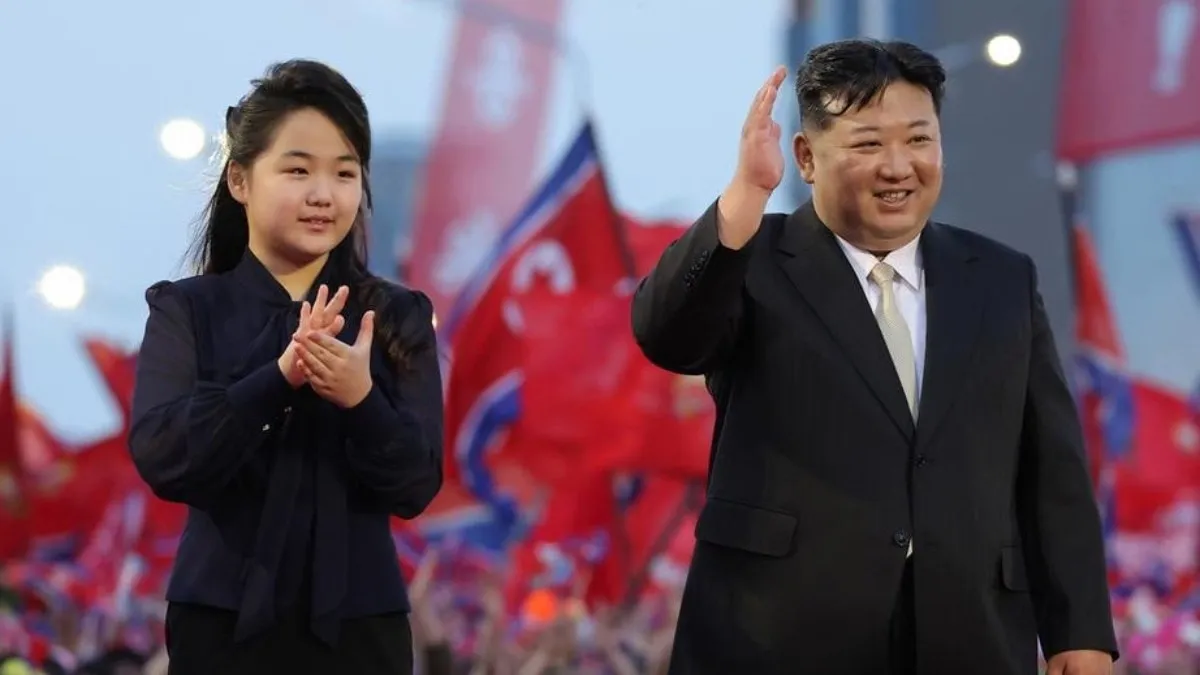
On March 15, 2026, North Korea held its parliamentary elections, a significant event in the country’s political landscape. The elections were closely monitored by international observers, given the historical context of North Korean politics and the leadership of Kim Jong Un, who has been in power since 2011 following the death of his father, Kim Jong Il.
As the day of the election approached, the ruling Workers’ Party of Korea had already pre-selected candidates for the Supreme People’s Assembly, which consists of 687 representatives. This pre-selection process left voters with a binary choice, as is customary in North Korean elections. Despite this limitation, the elections were notable for the exceptionally high voter turnout, reported at 99.99%.
When the results were announced, Kim Jong Un scored an overwhelming 99.93% of the votes. This figure, while reflecting the party’s dominance, also highlighted an unprecedented acknowledgment of dissent within the electoral process. For the first time since 1957, the elections recorded that 0.07% of voters rejected the official candidates, a development that could suggest a subtle shift in the political climate.
Additionally, the elections saw a very small fraction of voters unable to participate due to being abroad or at sea, accounting for 0.0037% of registered voters. Furthermore, a mere 0.00003% of registered voters abstained from voting altogether, indicating a highly engaged electorate despite the controlled nature of the electoral process.
The acknowledgment of dissenting votes, albeit minimal, is significant in the context of North Korean politics, where public expression of disagreement has historically been suppressed. This change may reflect a growing awareness among the populace or a strategic move by the regime to project an image of legitimacy and responsiveness.
Currently, the political landscape in North Korea remains firmly under the control of Kim Jong Un and the Workers’ Party of Korea. The results of the 2026 elections reinforce the party’s grip on power, yet the slight emergence of dissent could signal potential changes in the future, albeit within the tightly controlled political framework.
This sequence of events matters not only for the internal dynamics of North Korea but also for international observers and analysts who monitor the country’s political stability and human rights situation. The elections serve as a reminder of the complexities within a regime that balances strict control with the need to appear legitimate in the eyes of its citizens and the world.
Related Posts

Rishabh Pant Arjun Tendulkar LSG
Arjun Tendulkar has been traded to Lucknow Super Giants, with Rishabh Pant expressing support for his dedication.
SP Aslam: The Legacy of a Controversial Law Enforcement Figure
SP Chaudhary Aslam, a controversial figure in Pakistani law enforcement, is portrayed by Sanjay Dutt in the film Dhurandhar 2. His career...
Isi: Controversy Surrounding and ‘Dhurandhar 2’ in Pakistan
The recent criticism of the film 'Dhurandhar 2' has sparked discussions about the ISI's role and intelligence failures in Pakistan.

Uel: University of East London Dominates in Student Sitting Cup
The University of East London (UEL) retained the Student Sitting Cup title by winning all five of their matches, including a decisive...

Youth 2026: A Coming-of-Age Film by Ken Karunaas
Youth 2026, directed by Ken Karunaas, is a coming-of-age film that explores the complexities of teenage life and family relationships.

LNG Supply Disruption: Impact on India and Global Markets
Recent attacks on Qatar's LNG infrastructure have severely disrupted supply, impacting India and causing global gas prices to surge.
Read out all