
The wider picture
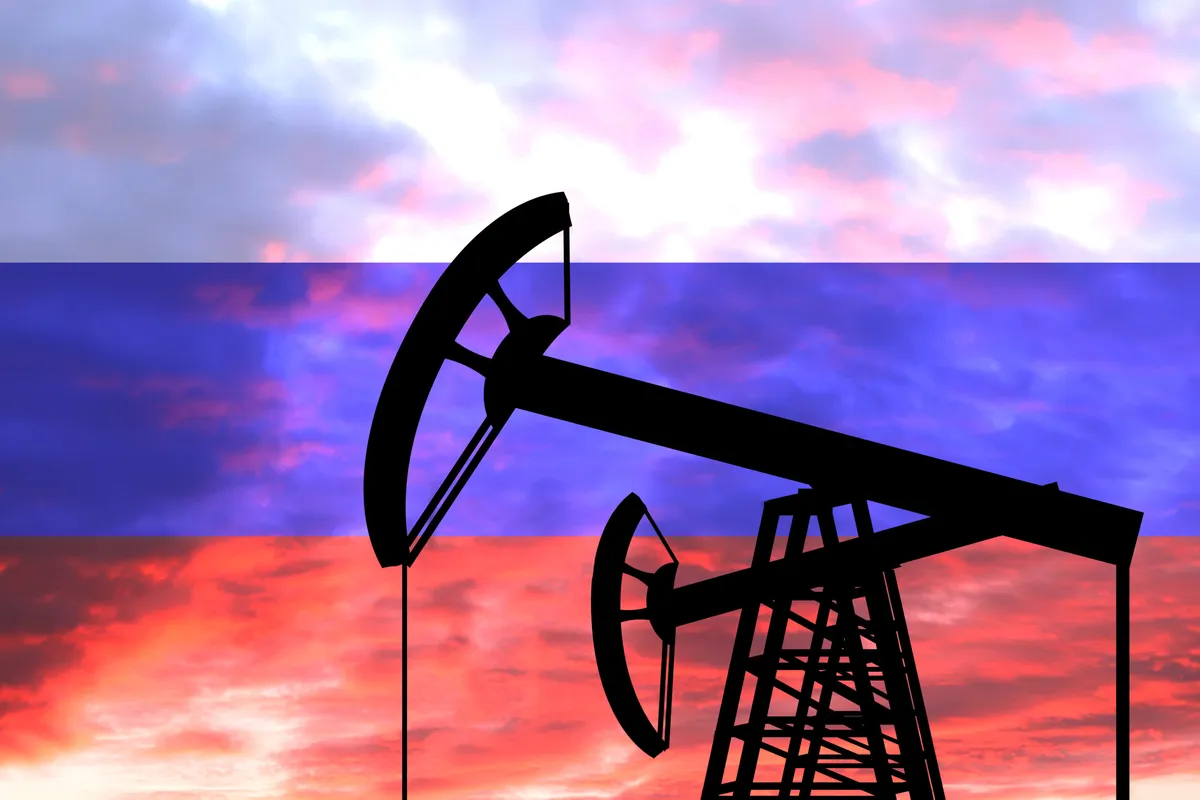
The Strait of Hormuz is a crucial route for approximately 20% of the world’s oil. This strategic waterway has long been a focal point of geopolitical tensions, particularly between the United States and Iran. Recent developments have intensified these tensions, leading to significant fluctuations in oil prices.
As of April 7, 2026, crude oil prices have reached a four-year high, with West Texas Intermediate (WTI) crude trading near $113 per barrel and Brent crude around $110 per barrel. The surge in prices is attributed to rising tensions between the US and Iran, alongside concerns regarding supply disruptions. Analysts note that the WTI prompt spread is trading at a premium of over $15.50 per barrel, reflecting the market’s response to these geopolitical developments.
Goldman Sachs has estimated a risk premium of $14 per barrel due to potential conflict disruptions, indicating that investors are increasingly wary of the implications of escalating tensions. The current volatility in oil prices is being driven more by speculation and headlines than by actual supply losses. This has raised concerns among market observers about the stability of oil prices in the coming months.
The impact of high oil prices extends beyond the energy sector, as they are contributing to rising global inflation and threatening economic growth. The S&P 500 has seen a decline of approximately 9% this year, with analysts warning that high energy costs could exacerbate economic challenges. The increase in oil prices is estimated to be between $6 and $8 per barrel due to geopolitical tensions, further complicating the economic landscape.
Despite these challenges, US oil production is projected to reach a record level of 13.6 million barrels per day in 2025. This increase in domestic production could help mitigate some of the impacts of rising prices, but the ongoing geopolitical situation remains a significant factor influencing market dynamics.
Looking ahead, analysts expect Brent prices to remain above $95 per barrel for the next two months, as the market continues to react to geopolitical developments. The situation remains fluid, and details remain unconfirmed regarding potential resolutions to the tensions between the US and Iran.
As the global economy grapples with the implications of high oil prices, the focus will remain on the geopolitical landscape and its potential impact on supply routes, particularly through the Strait of Hormuz. The interplay between speculation, actual supply levels, and geopolitical events will continue to shape the oil market in the near future.
Related Posts

Saurabh Dwivedi’s Comment Sparks Response from Rajpal Yadav
Saurabh Dwivedi's comment about Rajpal Yadav's cheque-bounce case elicited laughter but also criticism, prompting Yadav to defend Dwivedi.
Indian Railways Enhances Connectivity and Infrastructure
Indian Railways is undergoing significant transformation with daily operations of nearly 25,000 trains and the launch of major infrastructure projects.

Pakistan’s Evolving Landscape: From Energy Challenges to Security Concerns
Recent developments in Pakistan highlight a significant shift in energy production and security challenges. The country is navigating a complex landscape.
Read out all
Indian Railway Catering and Tourism Corporation Faces Backlash Over Food Safety Incident
A recent incident involving food safety on a Vande Bharat train has led to significant repercussions for the Indian Railway Catering and...
Salvador: El ‘s Ongoing Anti-Gang Measures and Mass Trials
El Salvador is moving forward with mass trials against thousands of alleged gang members amid ongoing anti-gang measures.

बोनस शेयर: Bonus Shares Announced by Multiple Companies
Avax Apparels and Ornaments and R M Drip and Sprinklers Systems are among the companies announcing bonus shares, enhancing shareholder value.