
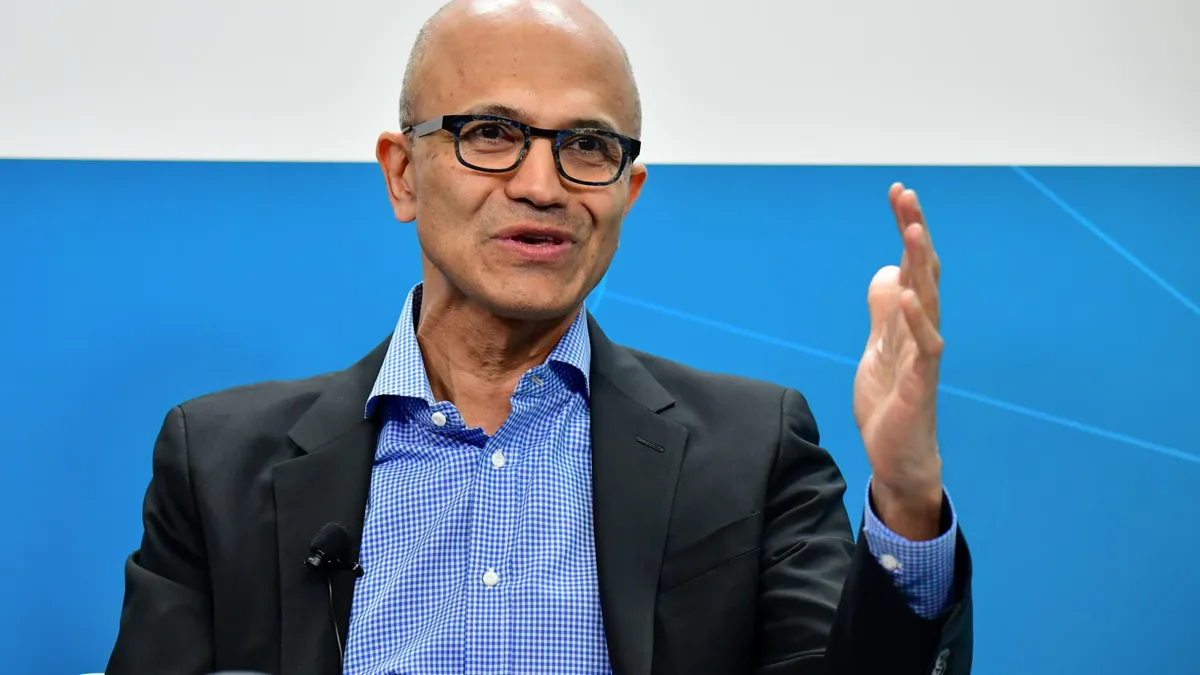
Rajesh Jha, a prominent figure at Microsoft, has emphasized that the rise of AI agents will necessitate software licenses, which could mitigate concerns about job cuts adversely affecting seat-based revenue models. This perspective is particularly relevant as companies increasingly deploy AI technologies, which may lead to a paradoxical increase in the number of paying users even as human headcounts decline.
For instance, a company with 20 employees currently purchasing Microsoft 365 licenses may find itself in a unique situation. If each employee is assigned five AI agents, and the workforce is reduced to just 10 individuals, the total number of paid seats could still reach 50. Jha argues that this scenario illustrates how the traditional model of charging per user remains viable, despite fears that AI could disrupt it.
Investors have expressed concerns that AI might undermine the foundational seat-based pricing structure of enterprise software. However, Jha reassures stakeholders that if AI agents are classified as users, companies may actually need to acquire additional licenses, thereby sustaining revenue streams.
He stated, “All of those embodied agents are seat opportunities,” highlighting the potential for AI to create new revenue avenues rather than diminish existing ones. This assertion comes at a time when many are questioning the long-term viability of traditional software pricing models in the face of rapid technological advancements.
The assumption that AI will reduce the number of software users holds true only if users are defined strictly as humans. Jha’s insights suggest a broader interpretation, where AI agents could be seen as contributing to the user base, thus preserving the economic framework of software sales.
As the conversation around AI and its implications for the workforce continues, Jha’s comments provide a counter-narrative to fears of job losses. He notes, “For anyone worried about jobs or tech changing the game, Microsoft’s message is basically: don’t stress, the business model is safe (for now).” This statement aims to reassure both employees and investors about the stability of Microsoft’s revenue model amid technological shifts.
The ongoing debate about AI’s impact on software economics is critical, as it could define the next decade of the industry. Jha’s perspective is a reminder that while AI may alter how businesses operate, it also presents opportunities for innovation and growth.
Details remain unconfirmed regarding how quickly these changes will take effect and what specific adaptations companies will need to make in their licensing strategies. As the landscape evolves, stakeholders will be watching closely for further developments in this area.
Related Posts

Cathie Wood’s Investment Strategy Takes a New Turn
Cathie Wood's Ark Invest has made notable changes to its investment strategy, purchasing shares in Bullish while selling off Coinbase stock.
Read out all
Om Power Transmission IPO GMP: Latest Developments and Insights
The Om Power Transmission IPO has commenced with significant interest, showing a positive grey market premium. Key financial insights reveal strong growth...
Read out all
Suyash Sharma Shines in RCB’s Victory Over Mumbai Indians
Suyash Sharma played a crucial role in Royal Challengers Bengaluru's victory over Mumbai Indians, taking two key wickets and contributing to the...

China’s Military Support to Iran: New Developments
US intelligence suggests that China is set to deliver new air defense systems to Iran, which could escalate tensions in the region.

HCL Technologies Updates on Market Performance
HCL Technologies has seen fluctuations in its stock price, closing flat this week. Key support and resistance levels have been identified as...
Sick Leave Policies Under Scrutiny Amid Controversial Denial
A corporate employee's request for sick leave was denied, igniting discussions about workplace norms and health policies.