
Introduction
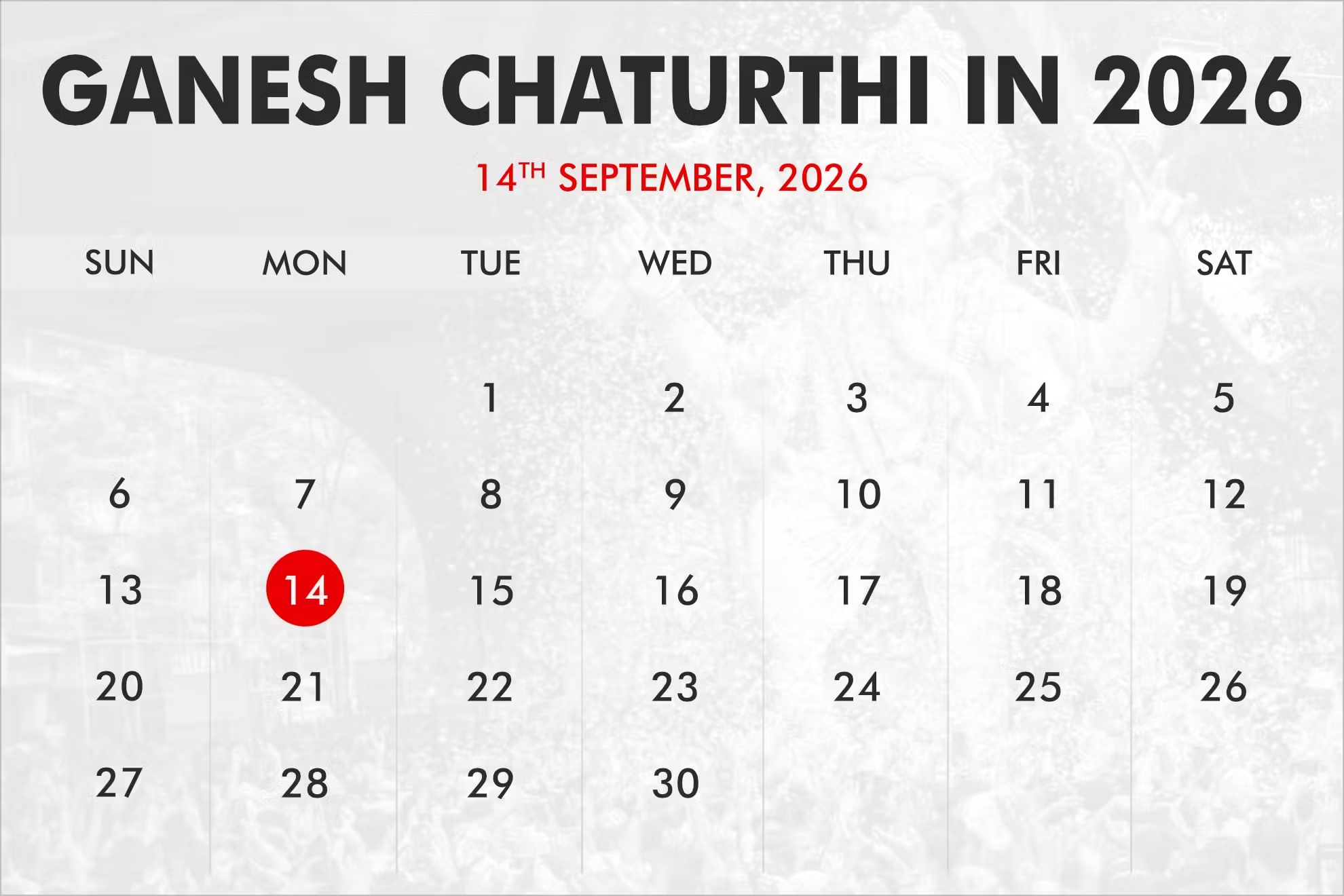
Chaturthi, a significant festival in Hindu culture, is celebrated to honor Lord Ganesha, the remover of obstacles and the god of beginnings. In 2026, Chaturthi falls on February 6, making it an essential date in the Hindu calendar. This festival not only highlights devotion but also brings communities together for various cultural festivities, reflecting the vibrancy of Hindu traditions.
Celebrations and Activities
As February 2026 approaches, preparations for Chaturthi celebrations are underway across the globe, particularly in India where the festival has deep roots. Devotees will engage in various activities starting from installing beautiful idols of Lord Ganesha in their homes to participating in public celebrations, blending devotion with festive cheer. Temples will organize special prayers and processions, where worshippers can gather, offer sweets, flowers, and prayers to seek blessings. The festival is renowned for its social gatherings, where families and friends come together to enjoy traditional meals, enhancing communal bonds.
Cultural Significance
The cultural significance of Chaturthi extends beyond religious observance. It symbolizes new beginnings, prosperity, and the collective joy of the community. The festival often includes art and music, with cultural performances celebrating the legend of Ganesha. Many communities also undertake eco-friendly initiatives, focusing on sustainability by using biodegradable materials for idol-making and avoiding chemical pollutants in water bodies, aligning the festival with contemporary environmental values.
Future Perspectives
Looking ahead, the celebration of Chaturthi in February 2026 is expected to introduce new trends, particularly in the context of online celebrations and hybrid gatherings due to the increasing influence of technology in religious practices. Virtual rituals and live-streamed events may become more prominent, allowing those unable to attend in person to participate digitally, thus expanding the reach of this cherished festival.
Conclusion
Chaturthi in February 2026 represents a cornerstone of cultural expression for millions of Hindus worldwide. It is an opportunity to honor tradition while adapting to modern influences, ensuring that the essence of the festival resonates through generations. As communities prepare for this vibrant celebration, the significance of Chaturthi continues to embody hope, unity, and reverence for one of the most beloved deities in Hinduism.
Related Posts

Vande Mataram: A Symbol of Indian Unity and Pride
Introduction ‘Vande Mataram’, meaning ‘I bow to thee, Mother’, is not just a song but a significant symbol of India’s national identity....
Read out all
Significance of Today Tithi in Modern Context
What is Tithi? Tithi is a term derived from ancient Indian astronomy, denoting a lunar day that is used to measure time...
Read out all
Exploring February’s Special Days and Their Significance
Introduction February is often seen as a month of love and reflection, with various special days that celebrate relationships, awareness, and cultural...
Read out all
Today Tithi: Importance and Cultural Relevance
Introduction to Today Tithi Today Tithi refers to the lunar day in the Hindu calendar, which is crucial for determining auspicious timings...
Read out all
Exploring the Significance of February 11 Special Day
Introduction February 11 holds a prominent place in the global calendar as a day dedicated to special observances and awareness. Among the...
Read out all
शिवरात्रि कब है: तिथि और धार्मिक महत्व
शिवरात्रि का महत्व धार्मिक दृष्टि से, शिवरात्रि भगवान शिव की आराधना का एक महत्वपूर्ण पर्व है। हर वर्ष, महाशिवरात्रि का त्योहार फाल्गुन...
Read out all