
Introduction
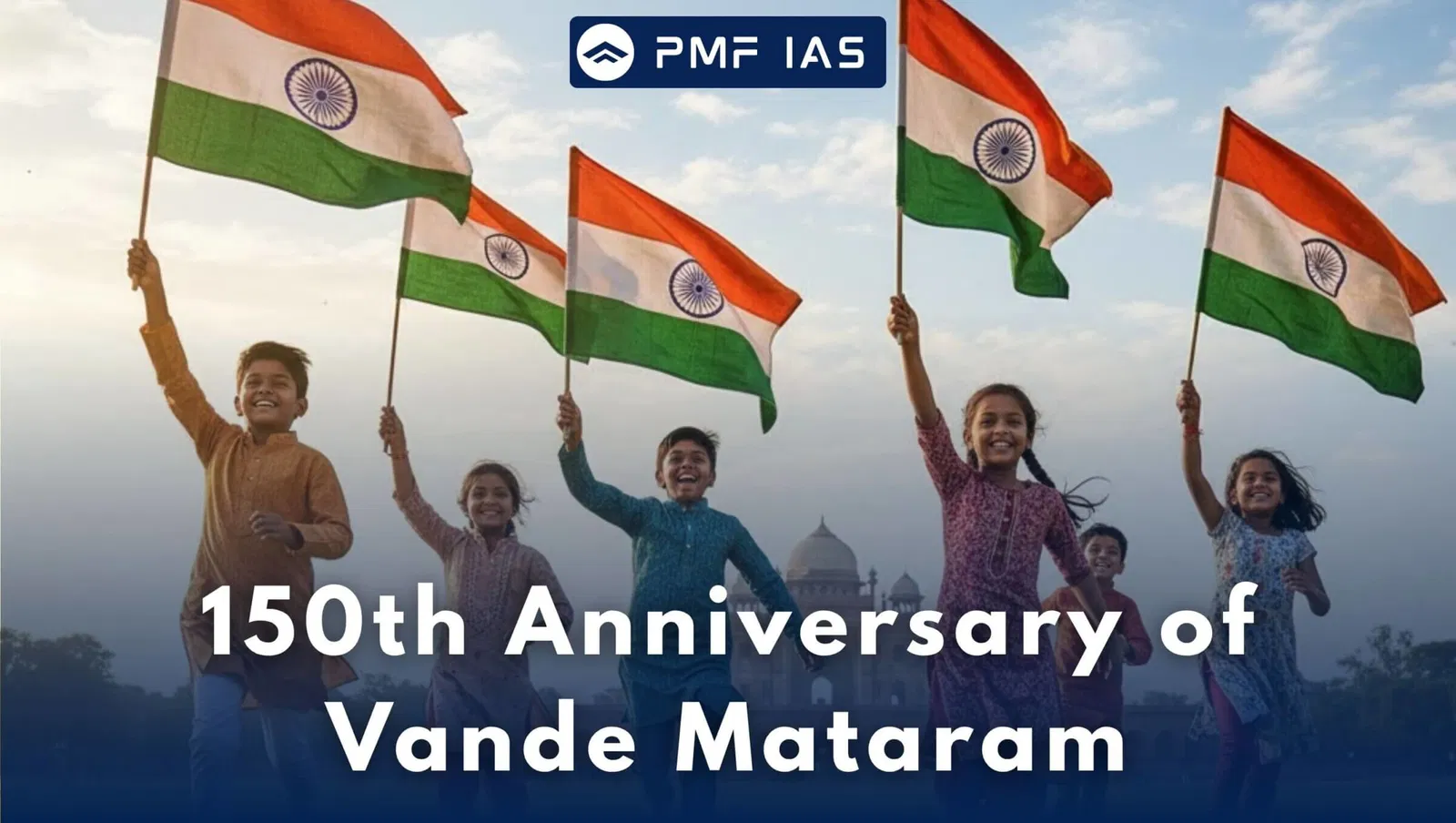
‘Vande Mataram’, meaning ‘I bow to thee, Mother’, is not just a song but a significant symbol of India’s national identity. Written by Bankim Chandra Chatterjee in the 1870s and later composed by Rabindranath Tagore, it stands as an emblem of patriotism and a source of inspiration for millions. Understanding the historical and cultural significance of this anthem provides insights into India’s struggle for independence and the unity it fosters among its diverse population.
Historical Context
‘Vande Mataram’ first appeared in Chatterjee’s novel, ‘Anandamath’, which portrays the socio-political struggles of Bengal during colonial rule. Its melody and lyrics evoke the spirit of resistance against British rule, galvanizing movements for freedom. The song gained prominence during the Indian independence movement, being sung at rallies and protests, rallying people to rise for their rights and country. It highlights India’s rich heritage and the interconnectedness of its people, transcending boundaries of religion, language, and caste.
Modern Significance
As India’s national song, ‘Vande Mataram’ continues to resonate with young generations, echoing the values of unity, peace, and nationalism. Its powerful verses are recited in schools, sung during public events, and play a vital role in cultural celebrations. In recent years, the lyrics have found relevance in various contemporary socio-political discourses, reaffirming the message of patriotism and pride in one’s homeland. Events surrounding its rendition by artists and music groups also draw attention, indicating a resurgence in its popularity, especially among the youth.
Controversies and Critiques
Despite its acclaim, ‘Vande Mataram’ has not been free from controversies. Some groups have raised concerns around the interpretation of its lyrics, suggesting that they may not represent the diverse fabric of India’s secular identity. Discussions continue around its place in national discourse, particularly concerning its use in educational institutions and public ceremonies. Balancing the song’s historical significance with modern interpretations remains a subject of debate among scholars and leaders alike.
Conclusion
‘Vande Mataram’ embodies the spirit of a nation that continues to navigate various challenges while striving for unity and progress. Its recognition as a national song fortifies a shared identity among the diverse cultures that constitute India. As debates surrounding its interpretation evolve, the song’s core message remains unchanged: it is a celebration of the nation and a call to uphold its values. The future will likely see continued discussions on its significance, but its role in fostering national pride and unity will be indispensable for generations to come.
Related Posts

Significance of Today Tithi in Modern Context
What is Tithi? Tithi is a term derived from ancient Indian astronomy, denoting a lunar day that is used to measure time...
Read out all
Exploring February’s Special Days and Their Significance
Introduction February is often seen as a month of love and reflection, with various special days that celebrate relationships, awareness, and cultural...
Read out all
Today Tithi: Importance and Cultural Relevance
Introduction to Today Tithi Today Tithi refers to the lunar day in the Hindu calendar, which is crucial for determining auspicious timings...
Read out all
Exploring the Significance of February 11 Special Day
Introduction February 11 holds a prominent place in the global calendar as a day dedicated to special observances and awareness. Among the...
Read out all
शिवरात्रि कब है: तिथि और धार्मिक महत्व
शिवरात्रि का महत्व धार्मिक दृष्टि से, शिवरात्रि भगवान शिव की आराधना का एक महत्वपूर्ण पर्व है। हर वर्ष, महाशिवरात्रि का त्योहार फाल्गुन...
Read out all
शिवरात्रि कब है: 2023 की तिथि और महत्व
शिवरात्रि का महत्व शिवरात्रि, जिसे भगवान शिव की पूजा का महापर्व कहा जाता है, हिंदू धर्म में अत्यंत महत्वपूर्ण है। इस दिन...
Read out all