

What prompted BlackRock to restrict withdrawals from its private credit fund?
BlackRock has recently restricted withdrawals from its $26 billion HPS Corporate Lending Fund (HLEND) due to a significant increase in redemption requests from investors. This decision comes as investors sought to redeem 9.3% of their shares, which amounts to approximately $1.2 billion.
In response to the surge in redemption requests, BlackRock capped repurchases at 5%, meaning that investors will receive around $620 million instead of the full amount they requested. This restriction is described as a foundational feature of the fund’s investment structure, aimed at preventing structural mismatches between investor capital and the expected duration of the private credit loans in which HLEND invests.
Context of the Current Situation
The private credit industry is currently facing growing concerns among investors, leading to increased redemption requests across various funds. BlackRock’s HLEND fund, a non-traded business development company, is one of the largest of its kind. Following the announcement of the withdrawal restrictions, BlackRock’s shares fell more than 7% in New York trading.
BlackRock has defended its decision to restrict withdrawals, stating that it is consistent with its long-standing liquidity management practices. The firm emphasized that without such measures, there would be a structural mismatch between investor capital and the loans in which the fund invests.
Interestingly, a separate BlackRock vehicle, the BlackRock Private Credit Fund, reported that while investors sought to redeem 4.5% of shares, it was able to fulfill all requests in full. This contrasts with the situation at HLEND and highlights the varying dynamics within BlackRock’s private credit offerings.
Implications for the Private Credit Market
The decision to restrict withdrawals marks a significant instance of gating among major private credit funds, reflecting the broader challenges facing the industry. Other firms, such as Blackstone, have also had to adjust their withdrawal limits in response to increasing requests, raising the usual limit from 5% to 7% for its $82 billion fund.
As the private credit market continues to navigate these challenges, the ability of funds to manage liquidity effectively will be critical. HPS executives noted that the constraint would position the fund to capitalize on compelling investment opportunities during a period of elevated uncertainty.
Details remain unconfirmed regarding the long-term impact of these restrictions on investor confidence and market stability. The situation is evolving, and stakeholders are closely monitoring how these developments will shape the future of private credit investments.
Related Posts

JSW Energy Share Price: Recent Developments and Future Outlook
JSW Energy's share price has seen fluctuations amid changing market conditions. Recent ratings and projections indicate potential growth.
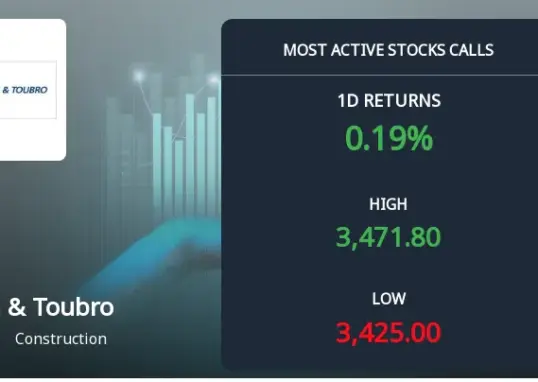
Lt share price: Larsen & Toubro Share Price Activity on March 16, 2026
On March 16, 2026, Larsen & Toubro's share price activity was marked by significant options trading, reflecting investor interest despite market challenges.

NTPC Green Share Price Update
On March 16, NTPC Green Energy shares fell over 3% after a significant rise earlier. The company's future expansion plans remain promising.

ATGL Share Price Declines Amid Market Pressures
Adani Total Gas Ltd's share price has dropped significantly due to market conditions and supply issues. Observers are watching key support levels...
Read out all
Kospi moneycontrol: KOSPI Market Decline: Understanding the Current Trends
The KOSPI market has faced significant declines due to global tensions and economic factors, raising concerns among investors.
Read out all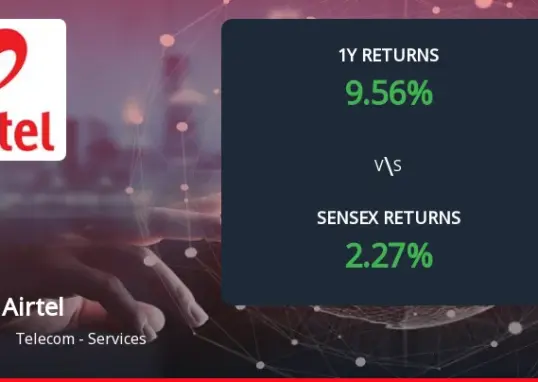
Bharti Airtel Share Price Update
Bharti Airtel's share price has shown a bearish trend, marked by a recent Death Cross formation. The stock has underperformed compared to...