
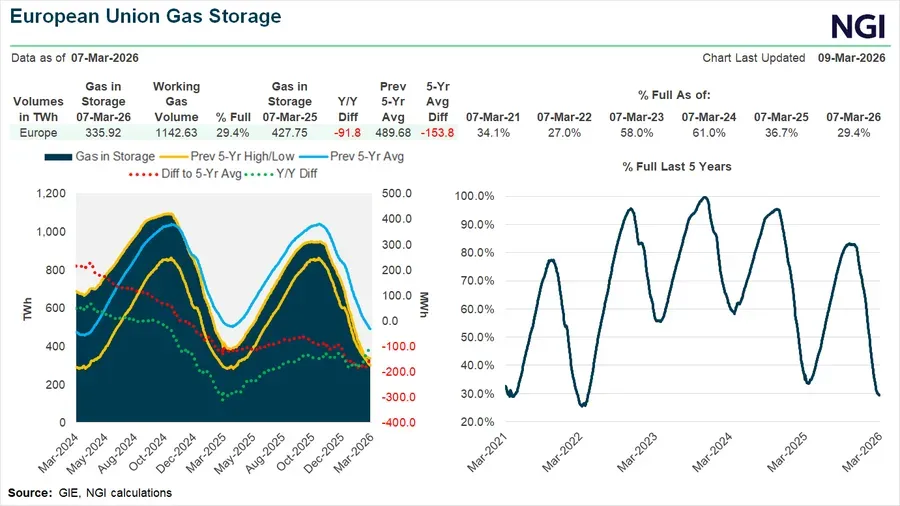
Natural Gas Prices Surge
“Yes, yes, definitely,” stated Alma Newell, reflecting the sentiment of many in the energy sector as natural gas prices have seen a dramatic rise in recent weeks. The increase in prices is largely attributed to geopolitical tensions, particularly the ongoing conflicts in the Middle East, which have disrupted supply chains and heightened market volatility.
The cost of natural gas in the spot market has risen multi-fold, reaching $25.40 per million British thermal units (mbtu). This sharp increase is a direct consequence of the escalating tensions between the US, Israel, and Iran, which have raised concerns over supply disruptions. The situation has been further complicated by the fact that more than 50% of India’s imported liquefied natural gas (LNG) passes through the Strait of Hormuz, a critical chokepoint for global energy supplies.
In January, India’s total consumption of natural gas was reported at 5,252 million metric standard cubic metres (MMSCM), with approximately 54% of this demand met through LNG imports. The reliance on imported LNG makes India particularly vulnerable to fluctuations in global prices, especially in the current geopolitical climate.
GAIL (India) Ltd has indicated that it is assessing the situation regarding potential supply curtailments for its downstream customers. The company’s long-term supplier, Petronet LNG Limited (PLL), has issued a force majeure notice, signaling that supply issues may arise as a result of the ongoing tensions. This has raised alarms among consumers and businesses that depend on stable energy prices.
In response to the rising costs of natural gas, India’s oil marketing companies have raised liquefied petroleum gas (LPG) prices by an average of Rs 60 per cylinder. This increase is expected to have a cascading effect on household budgets and could lead to higher inflation rates as energy costs continue to rise.
Gregory Brew, an energy analyst, commented, “I think the current price increase in oil suggests the US will see $3.50 to $4 gasoline by next week, and $5 diesel this week.” This prediction highlights the interconnectedness of global energy markets and the ripple effects that rising natural gas prices can have on other fuel types.
The disruptions caused by the war include the shuttering of the Strait of Hormuz, a key node in global transit and shipping. As the situation develops, stakeholders in the energy sector are closely monitoring the developments, with many bracing for further price increases and potential supply shortages.
As the energy landscape continues to evolve, the focus will remain on how geopolitical tensions will shape the future of natural gas prices and the broader implications for global energy security.
Related Posts

JSW Energy Share Price: Recent Developments and Future Outlook
JSW Energy's share price has seen fluctuations amid changing market conditions. Recent ratings and projections indicate potential growth.
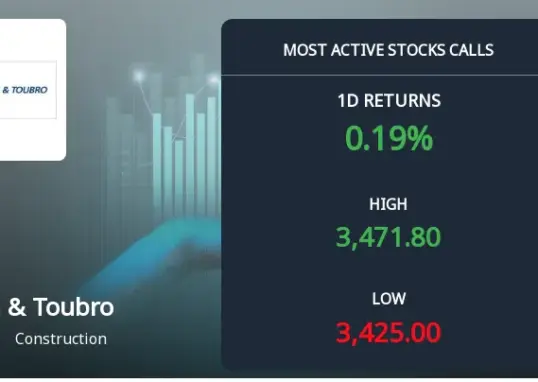
Lt share price: Larsen & Toubro Share Price Activity on March 16, 2026
On March 16, 2026, Larsen & Toubro's share price activity was marked by significant options trading, reflecting investor interest despite market challenges.
NTPC Green Share Price Update
On March 16, NTPC Green Energy shares fell over 3% after a significant rise earlier. The company's future expansion plans remain promising.
ATGL Share Price Declines Amid Market Pressures
Adani Total Gas Ltd's share price has dropped significantly due to market conditions and supply issues. Observers are watching key support levels...
Read out all
Kospi moneycontrol: KOSPI Market Decline: Understanding the Current Trends
The KOSPI market has faced significant declines due to global tensions and economic factors, raising concerns among investors.
Read out all
Bharti Airtel Share Price Update
Bharti Airtel's share price has shown a bearish trend, marked by a recent Death Cross formation. The stock has underperformed compared to...