
What is driving the recent volatility in global indices?
Global indices are facing significant volatility, primarily due to escalating geopolitical tensions in the Middle East and rising energy costs. This situation raises the question: how are these factors impacting major global indices?
Recent data indicates that the Nikkei 225 plunged more than 5 percent during early sessions, stabilizing near 52,707.50. Similarly, the Hang Seng Index dropped by over 1.35 percent, nearing the critical 25,000 floor. The S&P 500 also finished at 6,740.02, reflecting a decline of more than 1.5 percent at the start of trading.
In Europe, the DAX 40 fell 2.42 percent to 22,979.69, driven by concerns regarding fuel prices affecting Germany’s manufacturing sector. The CAC 40 experienced a 2.74 percent drop to 7,779.46, with high-end retail and car manufacturing shares seeing steep losses. The FTSE 100 is down by 1.81 percent, valued at approximately 10,101.05.
Amid these declines, the DAX 40 has recorded the worst performance among major indices, falling 6.4 percent. The pressure on the Nasdaq 100 is notable as well, particularly as the AI investment trend faces challenges in a high-inflation environment.
In response to these market conditions, Cboe Global Markets announced plans to launch the Cboe IBIT Volatility Index (Ticker: BITVX) on March 23, 2026. This new index is designed to measure the market’s expectation of 30-day forward-looking volatility for the bitcoin market. Rob Hocking from Cboe stated, “With the new BITVX Index, we’re taking the proven framework of Cboe’s VIX Index methodology and applying it to bitcoin, giving the market a transparent, rules-based benchmark for expected volatility derived from IBIT options activity.”
Details remain unconfirmed regarding the exact impact of the new BITVX Index on the bitcoin market. Additionally, the future performance of global indices amid ongoing geopolitical tensions and economic conditions remains uncertain.
The possibility of a prolonged energy crisis has pushed financiers into a protective risk-averse stance. The mood in the markets shifted dramatically after US markets hit record highs in late February, indicating a rapid change in investor sentiment.
As the situation develops, market participants will be closely monitoring the performance of these indices and the potential implications of the new BITVX Index on the broader market landscape.
Related Posts

JSW Energy Share Price: Recent Developments and Future Outlook
JSW Energy's share price has seen fluctuations amid changing market conditions. Recent ratings and projections indicate potential growth.
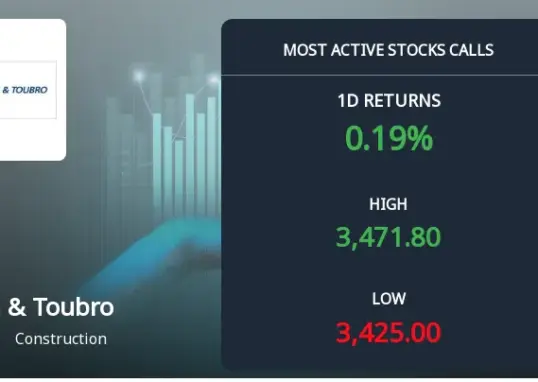
Lt share price: Larsen & Toubro Share Price Activity on March 16, 2026
On March 16, 2026, Larsen & Toubro's share price activity was marked by significant options trading, reflecting investor interest despite market challenges.

NTPC Green Share Price Update
On March 16, NTPC Green Energy shares fell over 3% after a significant rise earlier. The company's future expansion plans remain promising.

ATGL Share Price Declines Amid Market Pressures
Adani Total Gas Ltd's share price has dropped significantly due to market conditions and supply issues. Observers are watching key support levels...
Read out all
Kospi moneycontrol: KOSPI Market Decline: Understanding the Current Trends
The KOSPI market has faced significant declines due to global tensions and economic factors, raising concerns among investors.
Read out all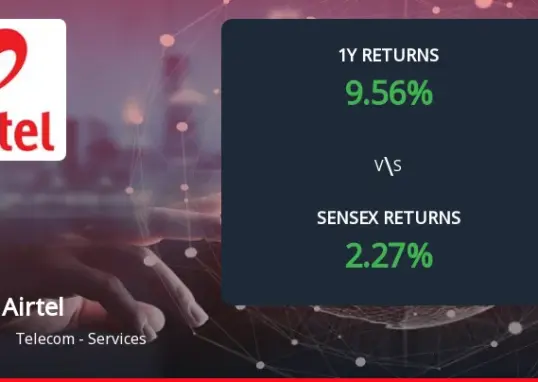
Bharti Airtel Share Price Update
Bharti Airtel's share price has shown a bearish trend, marked by a recent Death Cross formation. The stock has underperformed compared to...