
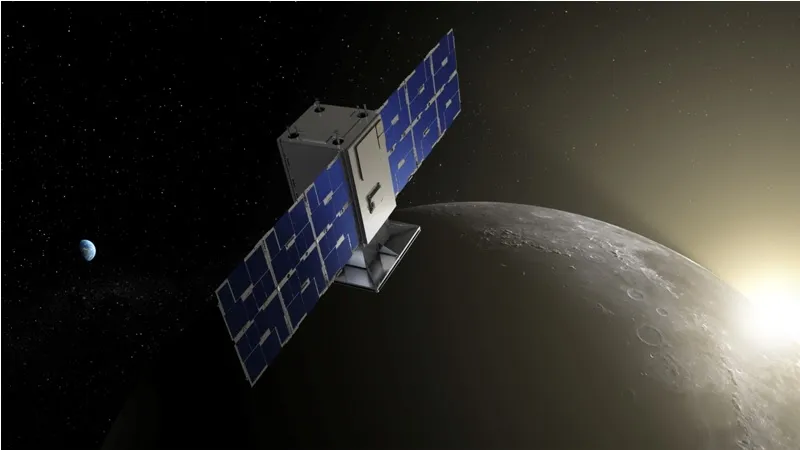
Background on the Van Allen Probe A
The Van Allen Probe A was initially launched in 2012 with the expectation that it would operate in space for a mere two years. However, it exceeded all expectations by measuring radiation for a total of seven years before running out of fuel in 2019. This extended mission provided valuable data about the Earth’s radiation belts, contributing significantly to our understanding of space weather.
Decisive Moment: Uncontrolled Reentry
On March 12, 2026, at 6:37 a.m. ET, NASA’s Van Allen Probe A reentered the Earth’s atmosphere. The coordinates for the reentry point were approximately 2 degrees south latitude and 255.3 degrees east longitude, landing in the eastern Pacific Ocean. NASA confirmed that the satellite made an uncontrolled reentry, with parts likely burning up upon reentry, while any surviving debris was expected to fall into the ocean.
Changing Expectations and Immediate Effects
Before this incident, NASA had predicted a 1 in 4,200 chance of any wreckage landing in a location that could potentially cause harm to humans. However, the reality of the uncontrolled reentry has raised new concerns about the risks associated with space debris. The satellite, which weighed 1,300 pounds, was not anticipated to pose a significant threat, yet the event has sparked discussions about the need for improved safety measures in satellite operations.
Expert Perspectives on the Incident
Experts have pointed out that NASA did not account for the current solar maximum, which increased the drag on the satellite, causing it to descend faster than originally predicted. This incident has become a critical data point for underwriting and regulation in the satellite insurance industry. As one expert noted, “Expect modest premium pressure, tighter exclusions, and higher proof standards” in the wake of this event.
Broader Implications for Space Operations
The crash of the Van Allen Probe A has highlighted the urgent need for better disposal plans and compliance in satellite operations. With the Van Allen Probe B also scheduled to crash back to Earth, expected to arrive in 2030 or later, the conversation around space debris and satellite management is more relevant than ever. Higher solar activity, which increases drag on satellites, leads to faster orbital decay and poses additional risks for future missions.
Conclusion: A Call for Change
The incident involving the Van Allen Probe A serves as a stark reminder of the challenges associated with managing space debris. As the landscape of satellite operations continues to evolve, it is crucial for organizations like NASA to implement more robust strategies for the disposal and management of satellites. The implications of this crash extend beyond immediate safety concerns, affecting insurance costs and regulatory frameworks in the aerospace industry.
Related Posts
Ichthyotitan severnensis discovery
The recent discovery of Ichthyotitan severnensis, a new species of marine reptile, has significant implications for our understanding of the Triassic oceans.
Chernobyl: The Impact of : A Legacy of Resilience
The Chernobyl disaster continues to influence lives decades later, exemplified by Oksana Masters, who was born with severe birth defects linked to...
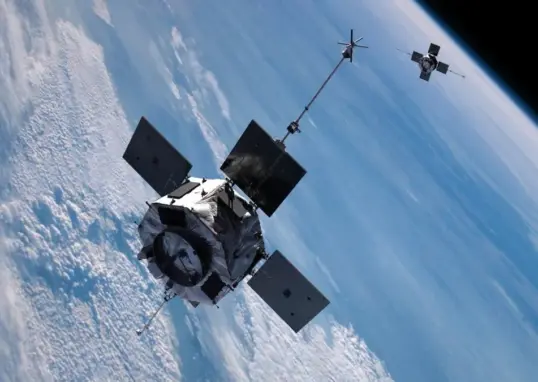
NASA Satellite Crashing: Van Allen Probe A Reenters Earth
The Van Allen Probe A has crashed back to Earth after nearly 14 years in orbit, monitored by NASA and the U.S....
Read out all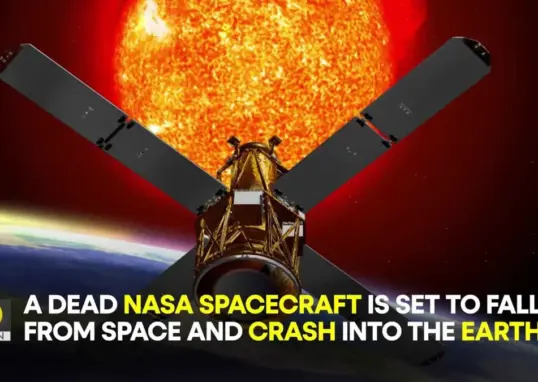
NASA Satellite Crash: Van Allen Probe A Set to Re-Enter Earth’s Atmosphere
The Van Allen Probe A satellite is predicted to re-enter Earth's atmosphere on March 10, 2026, after 14 years of operation. NASA...
Read out all
Project hail mary
Project Hail Mary, directed by Phil Lord and Christopher Miller, is a film adaptation of Andy Weir's novel, featuring Ryan Gosling as...

Nukes: Recent Developments in : Iran’s Isfahan Site Struck
Iran's Isfahan nuclear site has been struck, raising concerns about the implications for nuclear proliferation in the region. The current state of...