
Who is involved
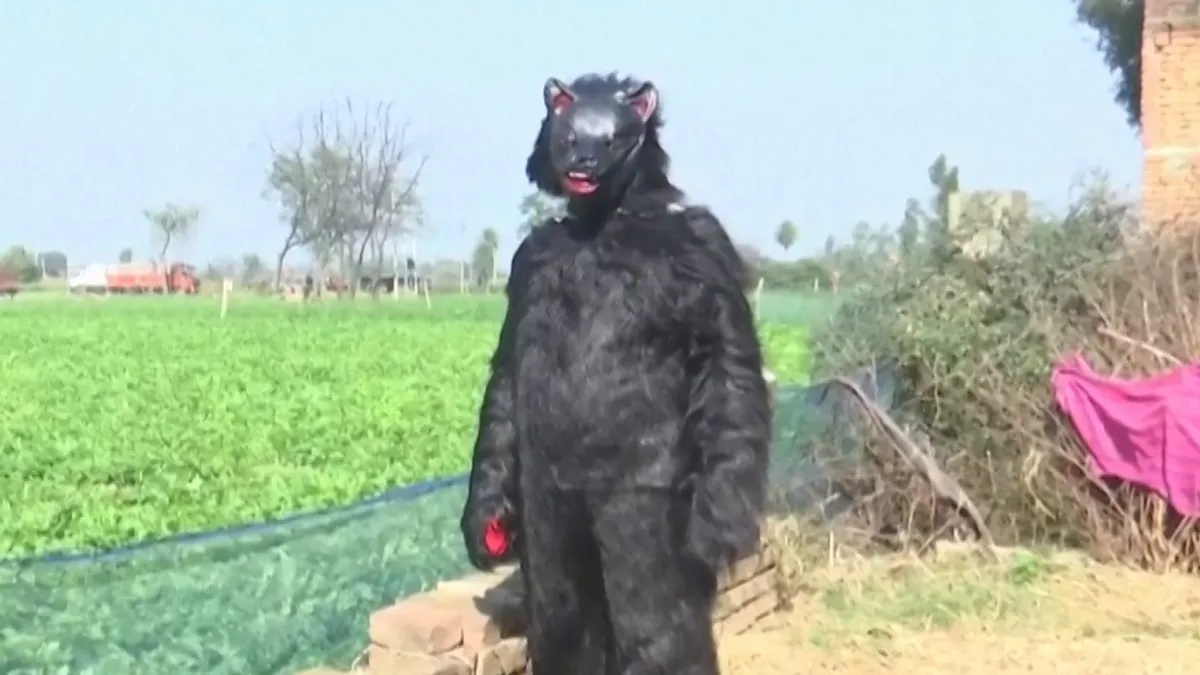
In northern India, farmers have recently taken to dressing up in bear costumes as a novel approach to safeguard their crops from the increasing menace of monkeys. This unusual tactic marks a significant shift in how these farmers are addressing wildlife-related challenges, which have escalated in recent years.
Previously, farmers relied on traditional methods to protect their fields, such as using loud noises or scarecrows. However, the situation has deteriorated, with residents reporting hundreds of monkeys raiding homes and farmlands, leading to substantial crop losses. The decisive moment came when the frequency and intensity of these raids reached a point where conventional deterrents proved ineffective.
The immediate effects of this change have been notable. Farmers donning bear costumes have reported a decrease in monkey activity around their crops. This creative solution not only aims to protect their livelihoods but also reflects the desperation and resourcefulness of the agricultural community in the face of persistent wildlife challenges.
Experts in wildlife management suggest that such unconventional methods may provide temporary relief but could also lead to unforeseen consequences. While the bear costumes might deter monkeys in the short term, they do not address the underlying issue of habitat encroachment and the increasing overlap between human settlements and wildlife. As one expert noted, “While creative, these tactics should be part of a broader strategy to manage wildlife interactions sustainably.”
The broader context reveals a growing tension between agricultural practices and wildlife conservation. As urban areas expand into rural landscapes, animals like monkeys are forced into closer proximity with human activities, leading to conflicts. This situation is not unique to India; similar issues are observed globally, where wildlife increasingly encroaches on agricultural lands.
In addition to the immediate effects on crop protection, this development raises questions about the long-term sustainability of such methods. Farmers may find themselves in a cycle of adapting to wildlife behavior without addressing the root causes of the problem. As one farmer stated, “We need solutions that work in the long run, not just quick fixes that might stop the monkeys today but won’t help tomorrow.”
As this situation unfolds, it remains to be seen how effective these bear costumes will be in the long run. The farmers’ innovative approach highlights their resilience and adaptability, but it also underscores the need for comprehensive strategies that consider both agricultural needs and wildlife conservation. Details remain unconfirmed regarding the long-term effectiveness of this method and whether it will lead to more sustainable practices in the future.
In summary, the sight of farmers in bear costumes in northern India serves as a striking example of the lengths to which individuals will go to protect their livelihoods. As they navigate the challenges posed by wildlife, the agricultural community continues to seek solutions that balance their needs with the realities of living alongside nature.
Related Posts

Mcc: Model Code of Conduct () Enforced for Assam Elections
The Model Code of Conduct (MCC) has been implemented across Assam for the 2026 Assembly elections, establishing guidelines for political conduct.

See video: Benjamin Netanyahu’s Video Messages Amid Death Rumors:
Benjamin Netanyahu addressed rumors of his death in a light-hearted video, wishing the Iranian people well and emphasizing themes of good over...
Read out all
Triumph: Tilak Varma’s Celebration After ICC Men’s T20 World Cup Victory
Tilak Varma was honored by Telangana Chief Minister A Revanth Reddy following India's victory in the ICC Men's T20 World Cup 2026....

New York Time Now: Connections Sports Edition Update
The latest update on Connections: Sports Edition reveals new challenges for players as they prepare for Game No. 540.

Gujarati: SBS Expands Access for South Asian Community in Australia
SBS Gujarati, part of SBS South Asian, provides vital programming for the South Asian community in Australia, broadcasting live twice a week.

RTO Updates: Cyber Fraud and Licensing Regulations in Bengaluru and Pune
Recent developments from the RTO in Pune reveal a rise in cyber fraud cases and new regulations for learner licence tests.