
What the data shows
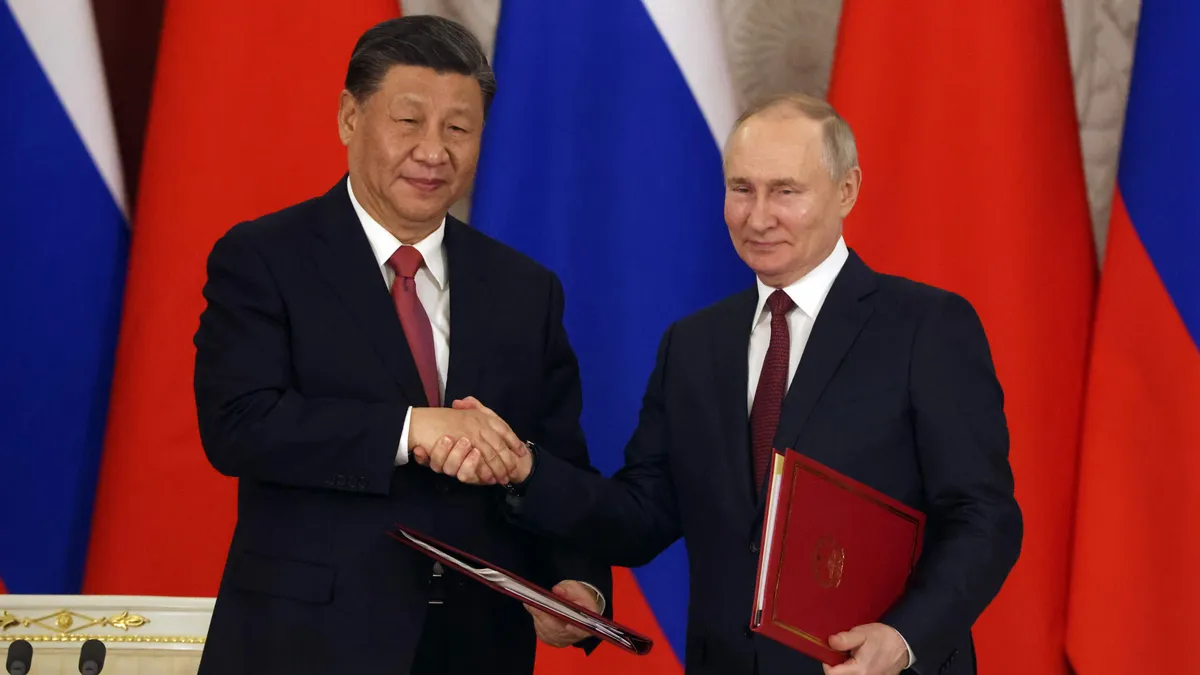
What does Xi Jinping’s leadership signify for China and the world? Since becoming president in 2013, Xi has transformed the political landscape of China, consolidating power and implementing significant changes within the Communist Party and the military. His leadership style and policies have raised questions about the future direction of the nation.
Xi Jinping was born on June 15, 1953, in Beijing, China, into a politically influential family; his father, Xi Zhongxun, served as a deputy prime minister. This background positioned him within the elite circles of Chinese politics from an early age. His early childhood was spent in the residential compound of China’s ruling elite, but he faced challenges during the Cultural Revolution, when he was sent to the countryside.
After serving as vice president from 2008 to 2013, Xi was elected as the general secretary of the Chinese Communist Party in 2012 and subsequently became president. His ascent marked a shift in leadership style, as he has operated with virtually no guardrails, sidelining many party elders and establishing a more centralized form of governance.
In March 2018, Xi was re-elected for a second term as president, a move facilitated by the National People’s Congress abolishing term limits for the presidency. This change allows him to remain in power beyond the traditional two-term limit, raising concerns about the concentration of power and the implications for China’s political future.
Since 2022, Xi has undertaken a significant purge within the People’s Liberation Army (PLA), removing over 100 of its seniormost officers, which has affected more than 50 percent of the higher command. This anti-corruption campaign aims to dismantle patronage networks and reassert authority within the Communist Party, reflecting Xi’s commitment to maintaining control over the military, a crucial pillar of his power.
The current roster of the National People’s Congress has also seen changes; it has decreased from 2,977 members to 2,848 following various expulsions. This reduction indicates Xi’s tightening grip on political power and his efforts to eliminate dissent within the ranks of the Communist Party.
As Xi Jinping continues to navigate the complexities of leadership in China, the implications of his policies and actions remain to be seen. The future of his leadership, especially in light of his extensive purges and consolidation of power, raises questions about the stability of the Communist Party and the direction of China on the global stage. Details remain unconfirmed regarding the full impact of these changes, but they undoubtedly shape the narrative of Xi’s legacy.
Related Posts

Ustaad Bhagat Singh Pawan Kalyan: A New Era in Telugu Cinema
Ustaad Bhagat Singh Pawan Kalyan is poised to reshape the landscape of Telugu cinema with its upcoming release.
Joe Kent Resigns Amid US-Israel War with Iran
Joe Kent has resigned from his position as head of the US National Counterterrorism Center, citing the ongoing US-Israel war with Iran...
Dilip Ray Wins Rajya Sabha Election in Odisha
Dilip Ray has won the Rajya Sabha election as a BJP-backed Independent candidate, receiving significant support from local MLAs. The election has...
Read out all
TMC Candidate List for West Bengal Assembly Election 2026
The All India Trinamool Congress has announced its candidate list for the upcoming West Bengal Assembly Election 2026, featuring a diverse group...
Read out all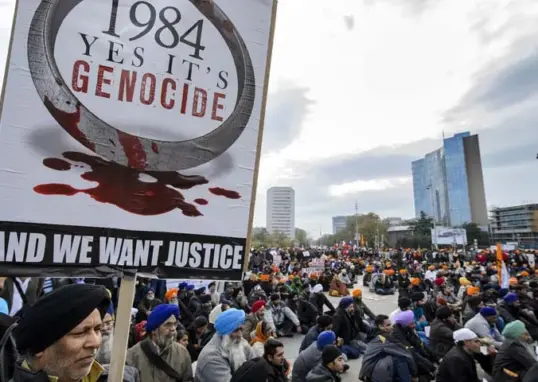
Ajit Doval’s Role in India’s Transnational Repression of Sikhs
A recent conference in Geneva scrutinized India's transnational repression of Sikhs, with significant remarks from Narendra Modi.
Delhi: Recent Events in : Defamation Case and NIA Custody
Recent developments in Delhi involve a defamation suit by Himayani Puri and the National Investigation Agency's custody of several foreigners.
Read out all