

How is artificial intelligence reshaping the educational landscape in India? AI has emerged as a pivotal force, significantly transforming how education is delivered and experienced across the country.
In 2025, India accounted for 16 percent of global generative AI application downloads, with over 600 million downloads recorded. This surge reflects a growing integration of AI into educational practices, where more than 50 percent of 30 Indian higher educational institutions utilized generative AI to develop study materials.
Furthermore, over 60 percent of these institutions permitted student use of AI tools, indicating a shift towards embracing technology in learning environments. The All-India Council for Technical Education has even designated 2025 as the ‘Year of AI’, highlighting the importance of this technology in education.
In a significant move, the Central Board of Secondary Education plans to implement an AI curriculum starting from class III in the 2026-27 academic year. This initiative aims to equip young learners with essential AI competencies, with a target of 18,000 schools adopting the curriculum.
The growth of India’s EdTech market is notable, with a projected compound annual growth rate (CAGR) of 28.7 percent from 2025 to 2033. This growth is further supported by AI-driven investments, which have contributed to an upward revision of India’s GDP growth projections to 7.3 percent for 2026.
However, challenges remain. Only 83.3 percent of rural households in India have internet access compared to 91.6 percent in urban areas, and just 3.2 percent of rural households are connected via optical fibre cable. These disparities raise concerns about equitable access to AI tools and educational resources.
Additionally, the Andhra Pradesh government is deploying predictive analytics to reduce student attrition by 20-30 percent, showcasing how AI can address specific educational challenges. Yet, algorithmic biases in educational technologies pose significant risks, as they may amplify existing inequalities, potentially excluding vulnerable learners.
As India continues to integrate AI into its educational framework, the focus on fairness and inclusivity will be crucial. Impartiality in AI systems is essential to safeguard the educational transformation, ensuring that all students benefit from these advancements.
With the landscape rapidly evolving, the future of AI in education in India holds both promise and uncertainty. Details remain unconfirmed regarding the full impact of these initiatives, but the direction is clear: AI is set to play a central role in shaping the future of education in India.
Related Posts

Meningitis Outbreak in Canterbury, Kent
A meningitis outbreak in Canterbury has led to two student deaths and multiple hospitalizations, prompting health officials to take action.

El Niño Southern Oscillation: A Potentially Major Climate Event
Forecasters predict a 62% chance of El Niño emerging this year, which could lead to significant climate impacts globally.

HPV Vaccination Program Aims to Reduce Cervical Cancer in India
India's HPV vaccination program is making strides in reducing cervical cancer rates, with significant early success in immunizing adolescent girls.
Read out all
Blockchain technology: The Rise of : Transforming Industries
Blockchain technology is revolutionizing various sectors, enhancing security and transparency. This article examines its transformative impact.
Read out all
Vivo T5x 5G Launches in India
The vivo T5x 5G has officially launched in India, showcasing impressive features and specifications. It is set to go on sale on...
Read out all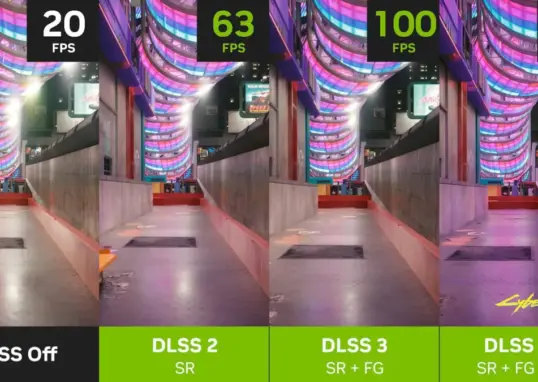
NVIDIA DLSS 5 Games: A New Era in Graphics Technology
NVIDIA's DLSS 5 is set to revolutionize gaming graphics with its innovative real-time neural rendering technology.
Read out all