
Concerns over traditional blue jersey
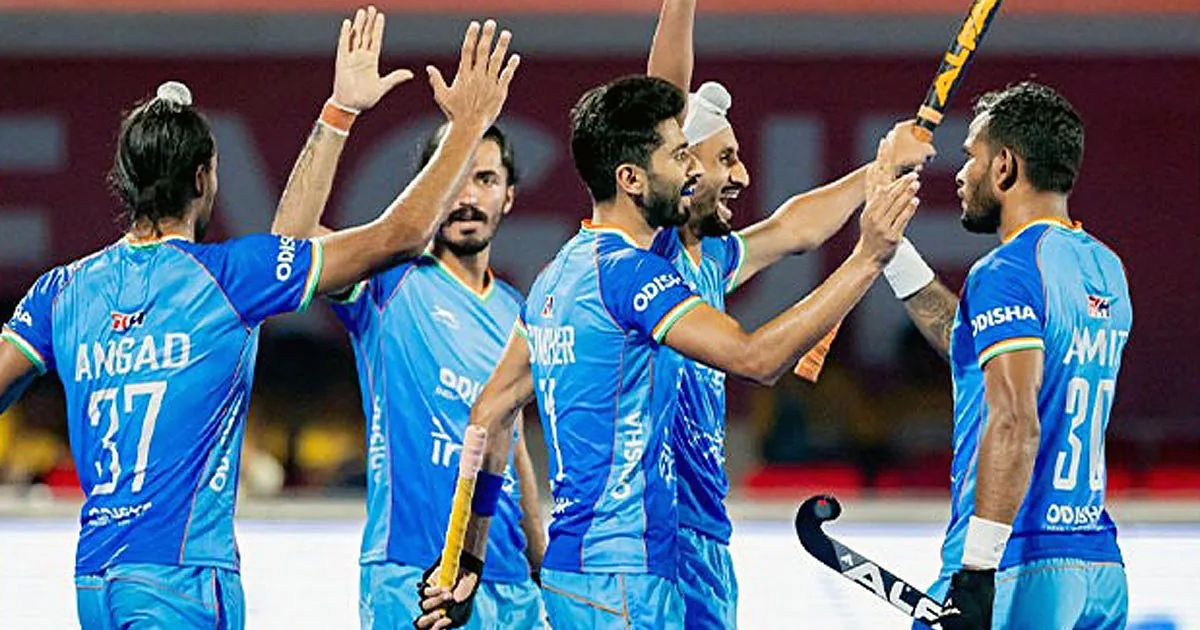
The decision to change the Indian hockey team’s primary jersey colour to saffron for the upcoming World Cup has drawn criticism from former captains Pargat Singh and Dhanraj Pillay. Both expressed that the blue jersey has long been a defining characteristic of the team’s identity. The debate began after Hockey India unveiled the new kit for both the men’s and women’s teams in anticipation of the World Cup, which is scheduled to commence on August 15 in the Netherlands and Belgium.
Dhanraj Pillay, who represented India in 339 international matches, including four Olympics, four World Cups, and four Champions Trophy tournaments, highlighted that the blue jersey has been associated with Indian hockey for decades. He stated that while saffron is an important and auspicious colour as part of the national flag, it has not traditionally been the colour of Indian hockey. He questioned the sudden change after many years.
Pillay recalled that teams from the 1928 Olympic squad to the 1980 Moscow Olympic gold medal-winning side, including players like Dhyan Chand, Balbir Singh Sr., Mohammad Shahid, and Zafar Iqbal, all played in blue jerseys. He noted that throughout his nearly 15-year career, the jersey remained blue. He emphasised that players identify with the traditional colours of their national team, distinguishing it from franchise tournaments like the IPL or Hockey India League where teams wear various colours.
The only exception Dhanraj Pillay remembered was when India wore a yellow shirt with blue shorts in a match against Argentina during the 1992 Barcelona Olympics. He also challenged the argument that the change was necessary due to hockey being played on blue astro turf, stating that teams have played on such surfaces for years without issues and questioned if the FIH had issued any directives regarding blue jerseys causing difficulties.
Rejection of official explanations
Pargat Singh, another former captain, was more critical of the move. He suggested that the change was part of a broader trend of “saffronisation” affecting education, history, and now sports. He expressed concern that such thinking could enter sports, which he believes should unite people and transcend religion, caste, and politics.
Singh also dismissed Hockey India’s explanation that the change was made to improve visibility on blue turf. He stated that he had never experienced such an issue and questioned why, if visibility was a concern, only saffron was chosen among other potential options. He further rejected the claim that the decision was based on feedback from players and coaches, asserting that players and coaches typically do not make such recommendations.
Pargat Singh pointed out that generations of Indian players, from historical figures to the current squad, have represented India in blue. He noted that iconic photographs of Indian hockey consistently show players in blue, and that even during their playing days, training was conducted in blue, solidifying it as the identity of Indian hockey. He added that while India traditionally had a white change kit, the saffron jersey has now been registered as the primary strip, and he saw no logical reason for this decision.
While former India captain Viren Rasquinha has also voiced reservations, Hockey India has maintained that the decision was made after considering technical feedback from coaches and players, as well as the symbolic significance of saffron as a colour in the National Flag. The World Cup is set to begin on August 15.
Legacy and identity
The sentiment among these former players is that the blue jersey is more than just a uniform; it is an integral part of the nation’s sporting heritage. Dhanraj Pillay emphasized that the blue colour has become synonymous with Indian hockey, representing a continuous legacy from the earliest Olympic teams to modern squads. This deep-rooted connection to the blue jersey is seen by many as a symbol of national pride and continuity in the sport.
The shift to saffron, despite its presence in the national flag, is viewed by critics as a departure from this established identity. The argument that the change improves visibility on blue astro turf has been directly challenged by former players who have extensive experience playing on such surfaces without encountering issues related to jersey colour. They question the necessity and rationale behind altering a long-standing tradition that has been central to the team’s image.
The registration of the saffron jersey as the primary strip, replacing the traditional blue, marks a significant change for the team. This decision has sparked a broader discussion about the balance between tradition and modernisation in national sports. The World Cup, starting on August 15 in the Netherlands and Belgium, will be the first major tournament where the team will wear the new saffron kit.
Source: timesofindia.indiatimes.com
Related Posts

Rosario mourns passing of Lionel Messi’s father, Jorge Messi
Rosario mourns the passing of Jorge Messi, father of football legend Lionel Messi, at 68 after a prolonged illness. He was a...
Read out all
Former India all-rounder Irfan Pathan addresses viral Babar Azam interview claims
Irfan Pathan clarifies viral misinformation regarding Babar Azam's alleged interview refusal during the 2023 ODI World Cup, addressing online trolling.
Read out all
Mohamed Salah Joins Trabzonspor in Two-Year Deal
Mohamed Salah officially joins Trabzonspor on a two-year deal after leaving Liverpool. The Egypt international arrived in Istanbul for his signing ceremony.
Read out all
Norway calls for Infantino’s resignation as Mexico and Argentina offer support
The Norwegian Football Federation (NFF) has called for Fifa president Gianni Infantino to resign, citing a lack of institutional trust. This follows...
Read out all
Colombo: Shubman Gill’s injury scare raises concerns for India’s Test campaign
Shubman Gill's injury during a Colombo training session sparks concerns for India's World Test Championship campaign in Sri Lanka. Initial reports suggest...
Read out all
Dubai to host Women’s T20 Asia Cup starting August 28; India to face Pakistan on September 5
Dubai to host the Women's T20 Asia Cup 2026 from August 28 to September 13. India will play Pakistan on September 5...
Read out all