

Introduction
Hindustan, often synonymous with India, holds immense cultural, historical, and social significance for its people. The term not only signifies a geographical region but also embodies the spirit and identity of a diverse nation. In times of globalization, understanding Hindustan’s cultural depth is essential as it influences national pride and unity among its citizens.
Historical Context
The term “Hindustan” has its roots in the Persian language, derived from “Hind,” which referred to the land around the Indus River. Historically, it encapsulated a large part of the Indian subcontinent associated with ancient civilizations, kingdoms, and empires. The use of the term has evolved, especially during the Mughal era, when it became a popular expression capturing the essence of Indian identity.
Modern Usage and Relevance
In contemporary times, Hindustan is often used in political and cultural discourse to promote unity among the diverse groups residing within India. Events such as Republic Day and Independence Day celebrate the essence of Hindustan, emphasizing themes of nationalism and unity in diversity. Educational institutions and cultural festivals often invoke the spirit of Hindustan to foster inclusivity, encouraging dialogues that bridge gaps between different communities.
Recent Developments and Discussions
In recent years, discussions around Hindustan have gained momentum, emphasizing the need to respect its pluralistic nature amidst rising tensions regarding nationalism. Various social organizations and governmental initiatives have aimed to highlight the importance of cultural heritage, urging citizens to embrace the multifaceted aspects of Hindustani identity. Additionally, the role of digital platforms in spreading awareness about Hindustan’s heritage has become increasingly vital as younger generations navigate their identities in a global context.
Conclusion
The significance of Hindustan extends far beyond its geographical boundaries; it represents the collective aspirations, history, and identities of multiple communities within India. As globalization continues to influence cultural dynamics, fostering a sense of belonging to Hindustan becomes crucial for national unity. Understanding and celebrating its diversity can enhance societal harmony and pave the way for a more inclusive future.
Related Posts
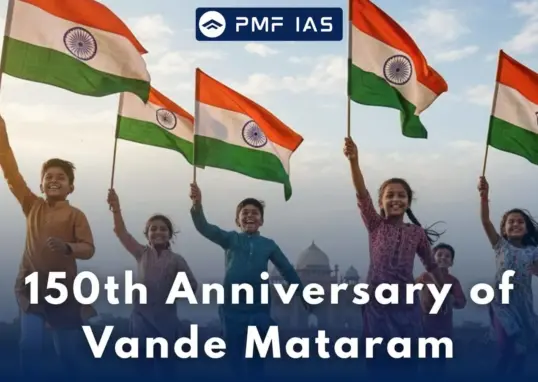
Vande Mataram: A Symbol of Indian Unity and Pride
By Vikram Nair / 11.02.2026 Introduction ‘Vande Mataram’, meaning ‘I bow to thee, Mother’, is not just a song but a significant...
Read out all
Significance of Today Tithi in Modern Context
By Rohan Mehta / 11.02.2026 What is Tithi? Tithi is a term derived from ancient Indian astronomy, denoting a lunar day that...
Read out all
Exploring February’s Special Days and Their Significance
By Rohan Mehta / 11.02.2026 Introduction February is often seen as a month of love and reflection, with various special days that...
Read out all
Today Tithi: Importance and Cultural Relevance
By Ananya Rao / 11.02.2026 Introduction to Today Tithi Today Tithi refers to the lunar day in the Hindu calendar, which is...
Read out all
Exploring the Significance of February 11 Special Day
By Rohan Mehta / 11.02.2026 Introduction February 11 holds a prominent place in the global calendar as a day dedicated to special...
Read out all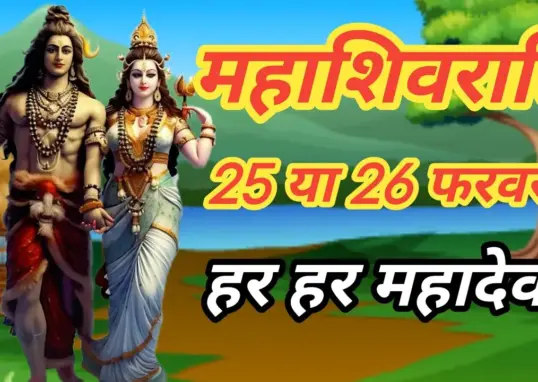
शिवरात्रि कब है: तिथि और धार्मिक महत्व
By Rohan Mehta / 10.02.2026 शिवरात्रि का महत्व धार्मिक दृष्टि से, शिवरात्रि भगवान शिव की आराधना का एक महत्वपूर्ण पर्व है। हर...
Read out all