

Introduction to Parasakthi
Parasakthi is a revered name in Hinduism, symbolizing the divine feminine energy that represents creation, preservation, and destruction. This form of the goddess is often associated with various aspects of life and is worshiped across India, especially in the southern states. The importance of Parasakthi lies not only in her spiritual prominence but also in her role as a symbol of empowerment and strength for countless devotees.
Historical Context
The origins of the worship of Parasakthi can be traced back to ancient texts and scriptures such as the Devi Bhagavata Purana. Parasakthi is often considered a manifestation of Shakti, the feminine principle that embodies the source of energy and power in the universe. Devotees believe that by honoring Parasakthi, they can connect with their inner strength and divine qualities.
Worship and Festivals
One of the key events celebrating Parasakthi is the festival of Navaratri, a nine-night celebration dedicated to the worship of the goddess in her various forms, including Durga, Lakshmi, and Saraswati. Temples around India, particularly in Tamil Nadu, see large gatherings during this time as devotees engage in rituals, prayers, and cultural performances. Another significant event is the annual temple festival at Meenakshi Amman Temple in Madurai, where various ceremonies honoring Parasakthi draw thousands of pilgrims.
Modern Relevance
In contemporary society, the figure of Parasakthi has evolved into a symbol of women’s empowerment. Many women’s organizations and movements invoke her strength and resilience in their missions, thus linking traditional worship with modern ideals of gender equality and empowerment. Educational programs and advocacy campaigns often include divine attributes associated with Parasakthi as metaphors for perseverance and transformation.
Conclusion: The Lasting Impact of Parasakthi
The significance of Parasakthi extends beyond mere religious observance; it embodies cultural values and beliefs that have persisted through generations. As society evolves, the relevance of Parasakthi as a symbol of empowerment and divine strength remains vital. Future generations, through increased awareness and appreciation of this divine figure, will likely continue to draw inspiration from her teachings, fostering a deeper connection with both spirituality and the ongoing journey towards gender equity.
Related Posts
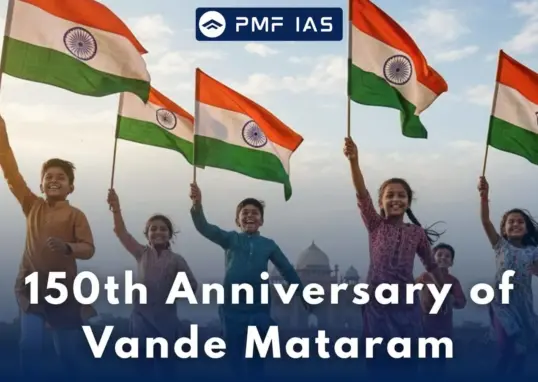
Vande Mataram: A Symbol of Indian Unity and Pride
By Vikram Nair / 11.02.2026 Introduction ‘Vande Mataram’, meaning ‘I bow to thee, Mother’, is not just a song but a significant...
Read out all
Significance of Today Tithi in Modern Context
By Rohan Mehta / 11.02.2026 What is Tithi? Tithi is a term derived from ancient Indian astronomy, denoting a lunar day that...
Read out all
Exploring February’s Special Days and Their Significance
By Rohan Mehta / 11.02.2026 Introduction February is often seen as a month of love and reflection, with various special days that...
Read out all
Today Tithi: Importance and Cultural Relevance
By Ananya Rao / 11.02.2026 Introduction to Today Tithi Today Tithi refers to the lunar day in the Hindu calendar, which is...
Read out all
Exploring the Significance of February 11 Special Day
By Rohan Mehta / 11.02.2026 Introduction February 11 holds a prominent place in the global calendar as a day dedicated to special...
Read out all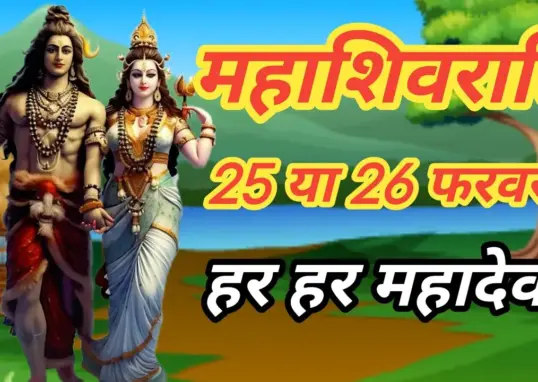
शिवरात्रि कब है: तिथि और धार्मिक महत्व
By Rohan Mehta / 10.02.2026 शिवरात्रि का महत्व धार्मिक दृष्टि से, शिवरात्रि भगवान शिव की आराधना का एक महत्वपूर्ण पर्व है। हर...
Read out all