

Introduction
The television landscape has seen numerous iconic characters, but few have left as lasting an impact as Dexter Morgan. Initially introduced in 2006, Dexter, a forensic blood spatter analyst by day and vigilante serial killer by night, captured the attention of audiences worldwide. The show’s blend of moral complexity and thrilling storytelling has made it a perennial favorite, culminating in the recent revival series, “Dexter: New Blood,” which aired in late 2021. This resurgence has reignited discussions about the character’s ethical dilemmas and the influence of crime dramas in popular media.
The Legacy of Dexter Morgan
Diving deeper into the character, Dexter Morgan, portrayed by Michael C. Hall, is a unique anti-hero that challenges traditional narratives of good and evil. His rigorous moral code—only targeting criminals who have escaped justice—presents a disturbing yet intriguing critique of societal norms. This complexity allows viewers to empathize with Dexter despite his heinous actions. The original series concluded in 2013 with a divisive finale, leaving many fans yearning for closure, which was partially fulfilled by “Dexter: New Blood.” This revival not only brought back familiar faces but also introduced new themes, such as fatherhood, accountability, and the consequences of one’s actions.
Recent Developments and Cultural Impact
The revival of “Dexter” was met with mixed reviews, but it undeniably sparked renewed interest in the character and story. Dexter’s return has coincided with a broader trend of nostalgic reboots in the entertainment industry. As viewers’ tastes and societal values evolve, it raises questions about how characters like Dexter should be portrayed in contemporary narratives. Are these transformations reflective of changing morals, or do they serve purely as entertainment? Online discussions and fan receptions indicate an appetite for complex storytelling that includes morally gray characters, suggesting that Dexter’s influence is still potent in today’s media landscape.
Conclusion
The enduring popularity of Dexter Morgan exemplifies the evolving nature of television storytelling and character development. As audiences embrace narratives that explore the darker sides of humanity, Dexter serves as a case study in balancing morality and entertainment. Moving forward, it will be interesting to observe how future shows incorporate complex characters similar to Dexter, and whether they can dissect moral ambiguity while maintaining audience engagement. Ultimately, the significance of Dexter transcends mere entertainment, prompting viewers to reflect on justice, ethics, and the human condition in a rapidly changing world.
Related Posts
Hamilton: Lewis ‘s Frustration with Ferrari Performance Ahead of Canadian Grand Prix
Lewis Hamilton has decided not to use the Ferrari simulator before the Canadian Grand Prix, citing frustrations with the team's performance.

One piece chapter 1182 spoilers
Imu's overwhelming power and Loki's hybrid form are key highlights of One Piece Chapter 1182. The chapter promises significant lore developments.
Read out all
Riddhima Kapoor Sahni
Riddhima Kapoor Sahni is gaining attention for her luxurious lifestyle and her upcoming Bollywood debut in 'Dadi Ki Shaadi'.
Read out all
Sunny Deol’s Secret Marriage to Linda Revealed
Sunny Deol's secret marriage to Linda, a member of a royal family, was revealed when wedding photos were published. The couple has...
Read out all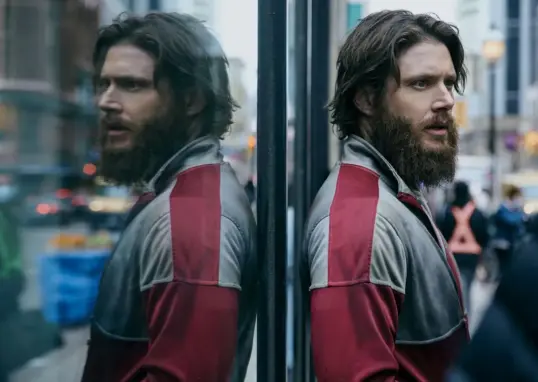
The boys season 5 episode 6
The Boys Season 5 Episode 6 releases on May 6, bringing viewers closer to the series finale. The stakes are higher than...
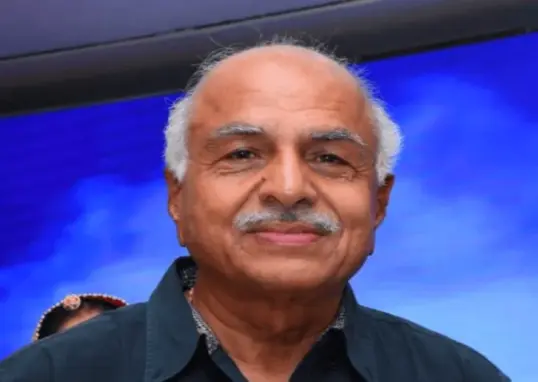
Actor jeeva
R.B. Chaudhary's tragic death in a car accident has shocked the Tamil film industry. His contributions to cinema will be remembered.