
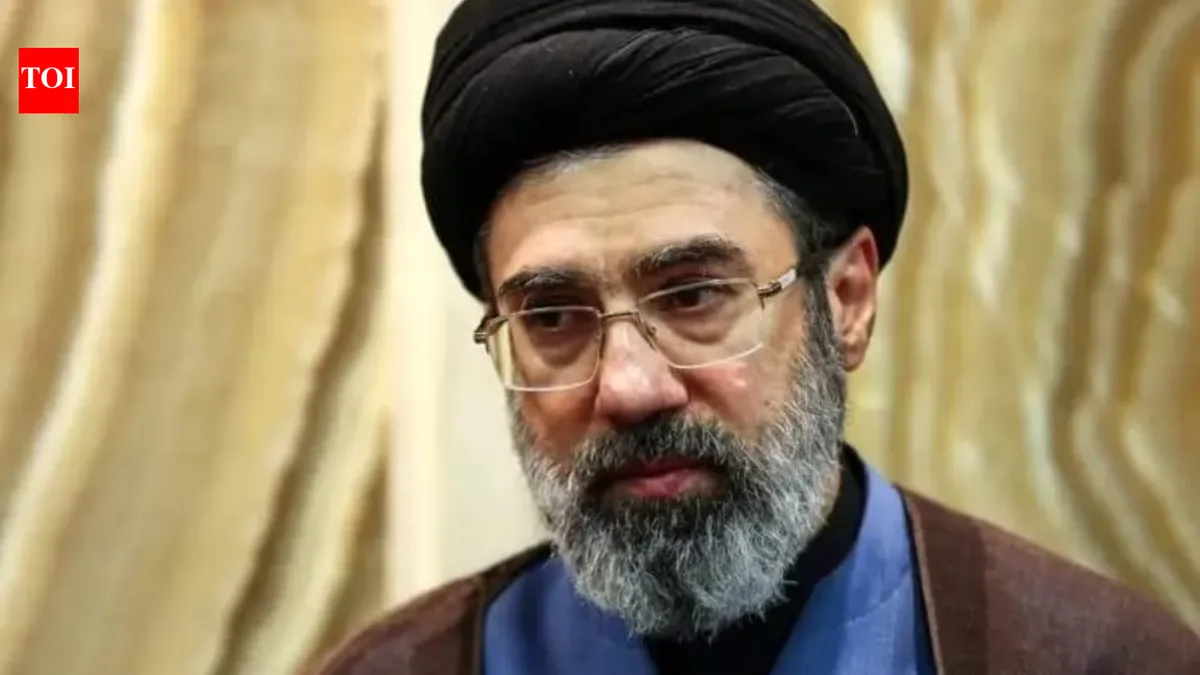
Mojtaba Khamenei: The Next Supreme Leader Of Iran? Who Is He? How Is The Head Picked? Explained
On March 1, 2026, the death of Iranian Supreme Leader Ayatollah Ali Khamenei in a significant attack by Israel and the United States has raised questions about the future leadership of the Islamic Republic. Speculation is mounting regarding Mojtaba Khamenei, the late leader’s son, as a potential successor.
Rapid Read
Ayatollah Ali Khamenei was confirmed dead following a coordinated U.S.-Israeli assault targeting Iranian military and governmental sites. This event has thrown the Islamic Republic’s future into uncertainty and heightened regional tensions.
Mojtaba Khamenei, the second-eldest son of the deceased Supreme Leader, has been a prominent figure in Iranian politics, often seen at significant events such as the annual Quds Day in Tehran.
U.S. President Donald Trump announced Khamenei’s death, stating it presented Iranians with their “greatest chance” to reclaim their nation. The U.S. has indicated that military operations will persist as needed.
The strikes mark a pivotal moment in U.S. involvement in Iran, being the second military action in eight months amid ongoing nuclear negotiations. The absence of a clear successor to Khamenei raises concerns about a leadership vacuum, as he held ultimate authority over major policies.
In response, Iran’s Revolutionary Guard has threatened to initiate its most aggressive operations against U.S. and Israeli interests.
Who is Mojtaba Khamenei?
Mojtaba Khamenei, born on September 8, 1969, in Mashhad, Iran, is recognized as a significant political figure and cleric, being the second-eldest son of the late Supreme Leader. He has cultivated a strong presence within Iran’s clerical elite, despite not holding any formal government position.
He pursued religious education at the Qom Seminary and has established connections with the Islamic Revolutionary Guard Corps (IRGC) and the Basij militia. His brief service in the IRGC during the Iran-Iraq War and subsequent involvement in political affairs have positioned him as a key advisor within the Supreme Leader’s office.
Although he has not held an official government role, Mojtaba’s influence is derived from his control over critical clerical and security networks, his support for hardline political figures, and his involvement in internal security matters, including the suppression of protests following the disputed 2009 election.
His potential as a successor has been a topic of speculation, particularly after the deaths or sidelining of other contenders. Critics, however, argue that his lack of a top clerical rank and the implications of dynastic succession could pose challenges in Iran’s republican framework.
Moreover, investigations have linked Mojtaba to substantial financial networks and assets outside Iran, highlighting his economic influence beyond the political and religious spheres.
How is the Supreme Leader of Iran Chosen?
The selection of Iran’s Supreme Leader follows a constitutional process established by the Islamic Republic.
- Who Has the Authority?
An 88-member clerical body, elected by the public every eight years, is responsible for appointing, supervising, and, if necessary, dismissing the Supreme Leader. - What Happens Immediately After the Leader’s Death?
Upon the Supreme Leader’s death or incapacitation, a three-person interim council, consisting of the President, the head of the judiciary, and a senior cleric from the Guardian Council, assumes leadership duties temporarily. - How the Successor Is Selected
The Assembly of Experts convenes urgently to review candidates who must be politically and religiously qualified, capable of leadership under Iran’s Islamic system, and undergo an internal voting process. - Behind-the-Scenes Power Dynamics
While the Assembly formally decides, the IRGC and senior clerics in Qom significantly influence the outcome, with elite consensus often shaping the decision. - Possible Types of Successors
Analysts speculate potential successors may include a hardline cleric aligned with the security establishment or a more politically experienced figure. - How long does it take?
Constitutionally, the process should occur as quickly as possible, likely taking days to weeks.
How was Ayatollah Ali Khamenei picked in 1989?
Following the death of Ruhollah Khomeini on June 3, 1989, the Assembly of Experts convened the next day to select a new Supreme Leader. Despite the constitutional requirement for the leader to be a top-ranking cleric, the Assembly ultimately chose Ali Khamenei, who was supported by influential figures, including Akbar Hashemi Rafsanjani. The transition was completed within a day, ensuring political stability during a critical period for the Islamic Republic.
With Agency Inputs
Related Posts
8th Pay Commission: Key Developments and Current Status
The 8th Pay Commission is anticipated to bring significant changes for central government employees and pensioners. Key developments include stakeholder consultations and...

NATO’s Position Amid Rising Tensions in the Strait of Hormuz
Tensions in the Strait of Hormuz escalate as NATO allies respond cautiously to US-Israeli military actions against Iran.
Read out all
16 मार्च 2026 का राशिफल: Horoscope for March 16, 2026
On March 16, 2026, individuals under the signs of Aries, Taurus, and Capricorn may find opportunities to leverage their skills effectively.
Battle of Galwan: Film Retitled to Maatrubhumi
The film 'Battle of Galwan' has been retitled to 'Maatrubhumi', directed by Apoorva Lakhia and based on the 2020 India-China conflict.
Assembly Election Dates in India Announced for 2026
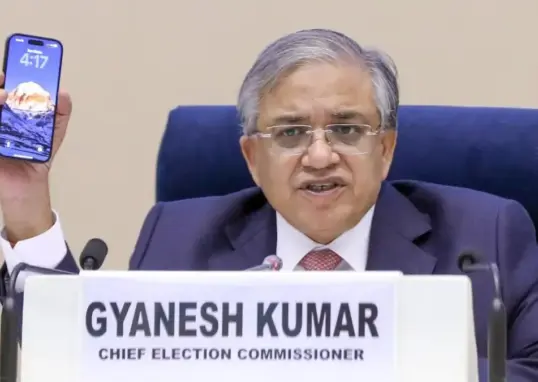
India's assembly elections will take place in April 2026, with over 17 crore eligible voters across multiple states. Key dates have been...
Read out all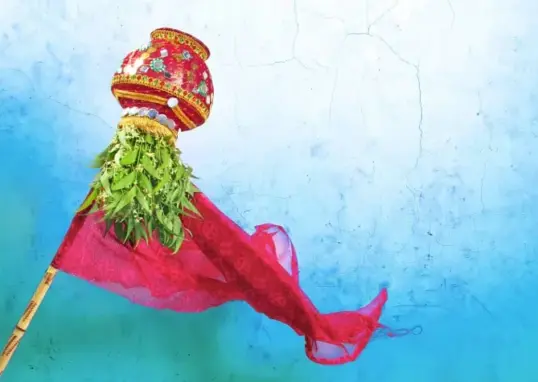
Gudi Padwa 2026: Celebrating the Marathi New Year
Gudi Padwa 2026, celebrated on March 19, signifies the Marathi New Year and embodies themes of new beginnings and prosperity.