
The wider picture
The conflict has escalated since US and Israeli airstrikes on Iran began on February 28. The strikes were aimed at crippling Iran’s military command structure and strategic infrastructure, leading to a significant retaliation from Iran. In response, Iran has attacked Gulf states hosting American bases and obstructed the vital Strait of Hormuz, through which one-fifth of global crude oil is transported. This situation has raised global oil prices and created economic uncertainty in the United States.
As tensions rise, the Trump administration is actively seeking military support from NATO allies for operations in the Strait of Hormuz. However, as of now, no NATO allies have agreed to join the military campaign against Iran. Notably, NATO members Spain and Belgium have indicated they will not participate in the US-Israeli strikes against Iran. British Prime Minister Keir Starmer has also ruled out any NATO mission in the region, stating, “That won’t be and it’s never been envisioned to be a NATO mission.”
Starmer further emphasized the UK’s position by questioning the legality of the military action against Iran, asserting that the United Kingdom would not join the war. This stance reflects a broader reluctance among NATO allies to engage directly in the conflict, despite the strategic importance of the Strait of Hormuz.
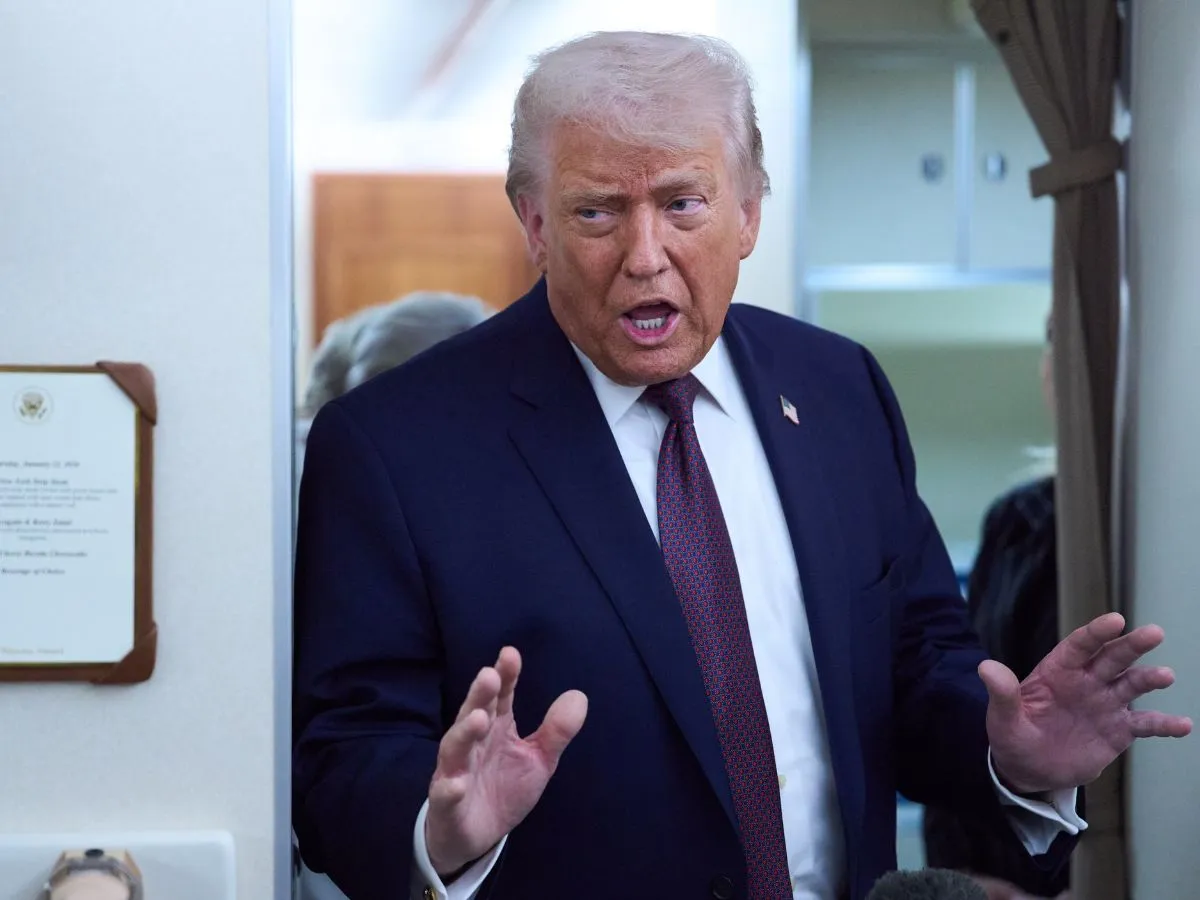
In a stark warning, Donald Trump cautioned NATO allies that failure to assist in securing the Strait of Hormuz could have detrimental effects on NATO’s future. He stated, “If the western military alliance fails to help the United States secure the vital passage of Strait of Hormuz… it would be very bad for the future of NATO.” This statement underscores the pressure the Trump administration is placing on its allies to contribute to the military efforts in the region.
While several countries have allowed limited logistical cooperation, they have not joined combat operations. The Trump administration’s approach has faced criticism, with many viewing it as a failure of planning and diplomacy. Observers note that the lack of unified support from NATO allies could hinder the effectiveness of any military campaign in the Strait of Hormuz.
As the situation develops, the full consequences of the conflict remain unclear. The ongoing military actions and the responses from various nations will likely shape the geopolitical landscape in the region for the foreseeable future. Details remain unconfirmed regarding the potential for further escalation or diplomatic resolutions.
In summary, NATO’s involvement in the Strait of Hormuz remains tenuous, with key allies expressing reluctance to engage in military operations. The implications of this conflict extend beyond the immediate region, affecting global oil markets and international relations.
Related Posts
Governance
The DMK raises concerns about the lack of anti-incumbency in BJP-ruled states. They highlight issues affecting opposition parties.
Read out all
Us iran news
Trump has paused the 'Project Freedom' operation, indicating possible advancements in US-Iran negotiations amidst rising tensions in the Strait of Hormuz.

Cv shanmugam and internal dissent in AIADMK
Internal dissent within the AIADMK is escalating as a faction of MLAs considers backing Vijay's TVK for government formation. CV Shanmugam plays...

Rahul Gandhi’s Confrontational Question to Selvaperunthagai
Rahul Gandhi confronted Selvaperunthagai with a tough question, stirring speculation ahead of the Vijay swearing-in ceremony.

Anbumani Ramadoss Increases Tension in Tamil Nadu Politics
Vijay rejected Anbumani Ramadoss's demand for a Deputy Chief Minister post for his wife, escalating tensions in Tamil Nadu's coalition talks.
Read out all
Us aircraft declared an emergency and disappeared over qatar
A US military KC-135 tanker has gone missing after declaring an emergency over the Persian Gulf. The incident raises concerns amid escalating...