
Escalation in the Israel-Iran War
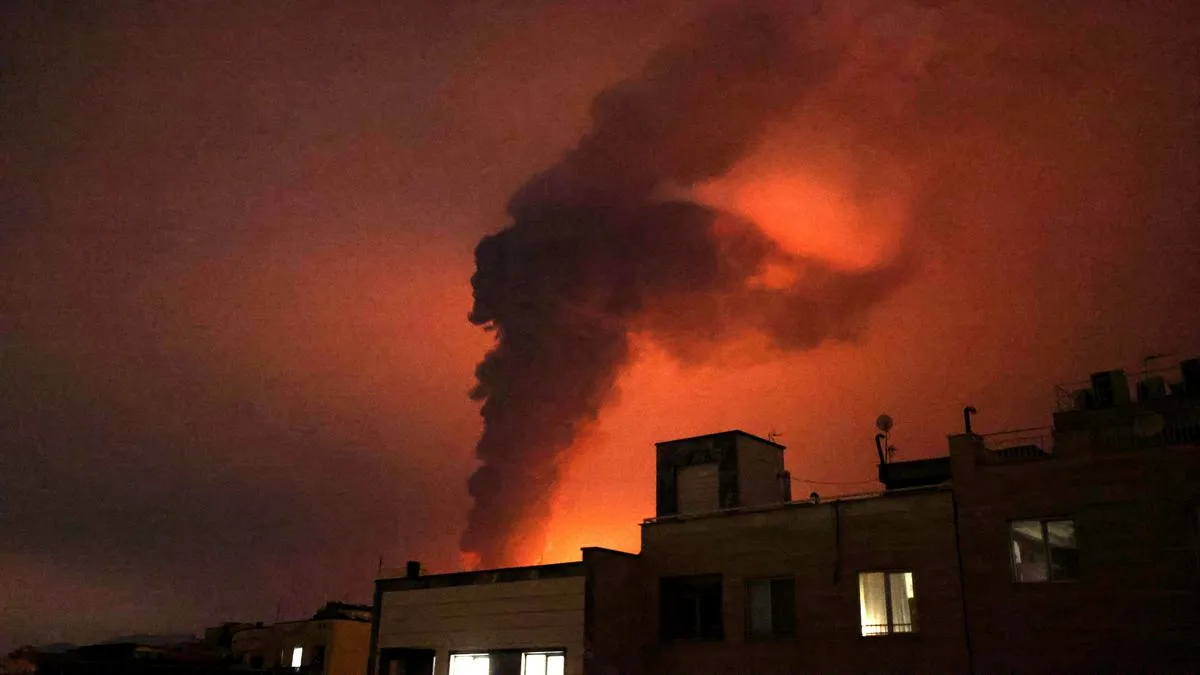
On March 8, 2026, the Israel-Iran war escalated dramatically as the United States and Israel conducted airstrikes on five oil facilities in and near Tehran, resulting in the deaths of four individuals, including two oil tanker drivers. The strikes were part of a broader military campaign that began on February 28, 2026.
In retaliation, Iran launched drone and missile strikes targeting Israel and U.S. interests across the region. Air raid sirens were activated throughout Israel as incoming missiles were detected. The Israeli military reported that several missiles were launched from Iran, with most being intercepted before causing significant damage.
Impact on Civilians and Infrastructure
The conflict has had dire consequences for civilians. Ten people have been reported killed in Israel due to the missile attacks, prompting authorities to order residents into shelters or safe rooms during missile alerts. Smoke from the fires caused by the strikes hung over Tehran, indicating the extent of the damage inflicted on the oil facilities.
In a related incident, an explosion occurred at Dubai Airport due to a drone strike, further highlighting the conflict’s reach beyond the immediate combat zones. The UAE’s President, Mohamed bin Zayed Al Nahyan, addressed the nation, urging residents to forgive any shortcomings amid the ongoing war.
Official Responses and Future Outlook
Keramat Veyskarami, an Iranian official, confirmed the casualties from the strikes, stating, “Four of our personnel, including two oil tanker drivers, were killed in the incident.” He also noted that the fire at the oil facilities was eventually brought under control.
As tensions continue to rise, the UAE has heightened its defense and security response, reflecting the growing concern over regional stability. The Israeli military has since announced that it is now permitted for residents to leave protected spaces in all areas of the country, indicating a temporary easing of immediate threats.
Despite the ongoing conflict, Iranian officials have assured that the country’s oil depots have sufficient gasoline reserves, suggesting that the impact on oil supply may be mitigated for the time being. However, the situation remains fluid, and details remain unconfirmed as the conflict evolves.
Related Posts

8th Pay Commission: Key Developments and Current Status
The 8th Pay Commission is anticipated to bring significant changes for central government employees and pensioners. Key developments include stakeholder consultations and...

NATO’s Position Amid Rising Tensions in the Strait of Hormuz
Tensions in the Strait of Hormuz escalate as NATO allies respond cautiously to US-Israeli military actions against Iran.
Read out all
Battle of Galwan: Film Retitled to Maatrubhumi
The film 'Battle of Galwan' has been retitled to 'Maatrubhumi', directed by Apoorva Lakhia and based on the 2020 India-China conflict.

Assembly Election Dates in India Announced for 2026
India's assembly elections will take place in April 2026, with over 17 crore eligible voters across multiple states. Key dates have been...
Read out all
Cpim candidate list 2026: CPI(M) Candidate List for 2026 West Bengal Assembly Elections Released
The CPI(M) has announced its candidate list for the 2026 West Bengal Assembly elections, marking a significant moment in its political strategy.
Rajya Sabha Election Results in Odisha: BJP Secures Majority
In the recent Rajya Sabha elections, the BJP has secured three out of four seats in Odisha, marking a significant political shift...
Read out all