
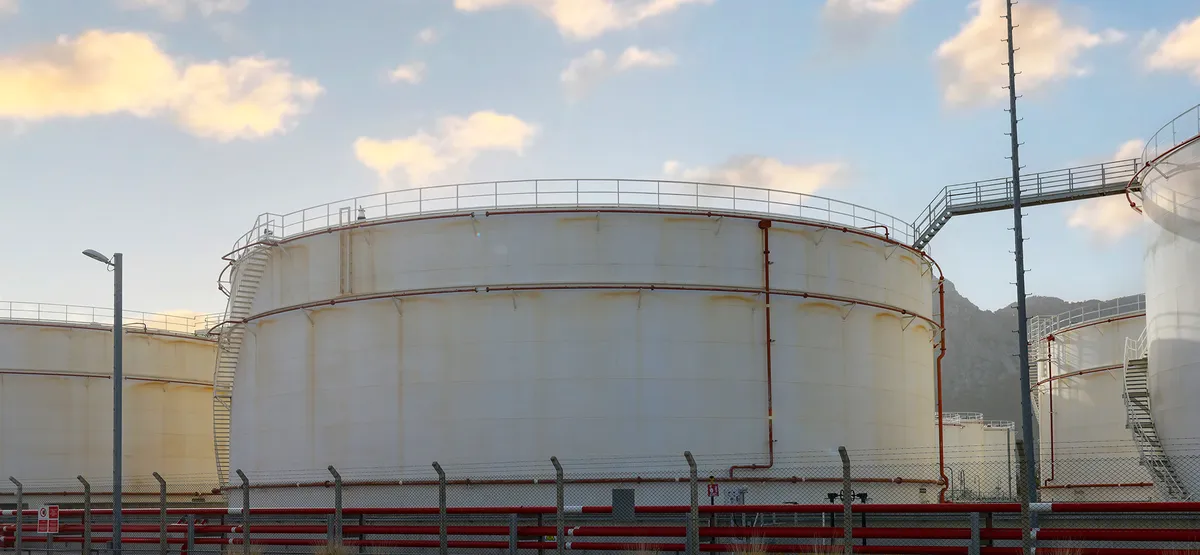
Crude Oil Prices Surge Amid Ongoing Iran War
Crude oil prices have crossed $100 a barrel amid the ongoing Iran war, with Brent crude reaching approximately $119 per barrel, marking the highest level since July 2022. The escalation of geopolitical tensions in the Middle East has significantly impacted global oil markets, leading to fears of supply disruptions.
The closure of the Strait of Hormuz, a critical chokepoint that handles nearly 20 million barrels of oil per day, has caused storage facilities to rapidly reach capacity. In 2025, exports moving through the strait averaged 13.4 million barrels per day, highlighting its importance in global oil supply. The effective closure has prompted Iraq to initiate its own production shut-ins, further constraining available supply.
Historically, crude oil prices have been sensitive to geopolitical events. For instance, Brent crude hit a record high of $147.50 per barrel on July 11, 2008, amid similar tensions. The market also experienced significant fluctuations during the Covid pandemic, with WTI prices slumping to minus $40.32 and Brent tanking to a record low of $15.98. The last notable spike above $100 occurred in February 2022, shortly after Russia’s invasion of Ukraine.
Market analysts are closely monitoring the situation, with some experts predicting that the psychological level of $100 oil may just be a short-term price target as the conflict continues. Andy Lipow stated, “The psychological level of $100 oil may just be a short-term price target on its way to higher levels as the conflict drags on.” This sentiment reflects the uncertainty surrounding future price movements.
Ron Insana remarked on the rapid increase in oil prices, saying, “Another 11 cents and oil hits $110! It was $55.99 exactly two months ago.” Such volatility underscores the potential for further price increases as the situation evolves. The market’s reaction to these developments is also impacting stock indices, with ICICI Securities warning that the Nifty 50 could potentially drop by approximately 10% from its pre-conflict level of 25,178.
As the situation unfolds, the biggest concern remains the disruption of oil flows through the Strait of Hormuz. Haris Khurshid emphasized this point, stating, “Right now, the biggest fear is still disruption to flows through Hormuz.” The strait is crucial for oil transportation, and any significant disruption could have far-reaching consequences for global energy markets.
Details remain unconfirmed regarding the long-term implications of these developments on oil prices and global supply chains. Observers expect that the ongoing conflict and its impact on oil production will continue to shape market dynamics in the coming weeks and months.
Related Posts

Cognizant’s Layoffs and AI Hiring Strategy
Cognizant plans to lay off up to 15,000 employees globally, impacting traditional IT jobs and creating openings for fresh graduates.
Read out all
Vivo x300 fe price
The Vivo X300 FE is expected to launch at Rs 79,999, a notable increase from the previous model. This smartphone aims to...
Read out all
Love insurance kompany
'Love Insurance Kompany' has experienced a notable decline in box office collections following its second week of release.
Read out all
Gas Prices Surge in Kerala’s Food Sector
Protests erupt in Kerala's food sector following a sharp rise in commercial LPG prices. The price of a 19-kg cylinder has soared...
Read out all
Voltas Faces Rising AC Prices in India
The air conditioner market in India is experiencing significant price increases due to rising raw material costs and upcoming energy efficiency regulations....

Gold prices drop amid rising platinum rates
Gold prices in Bengaluru have decreased, offering a reprieve to buyers as platinum rates rise. This shift impacts 22K, 24K, and 18K...
Read out all