
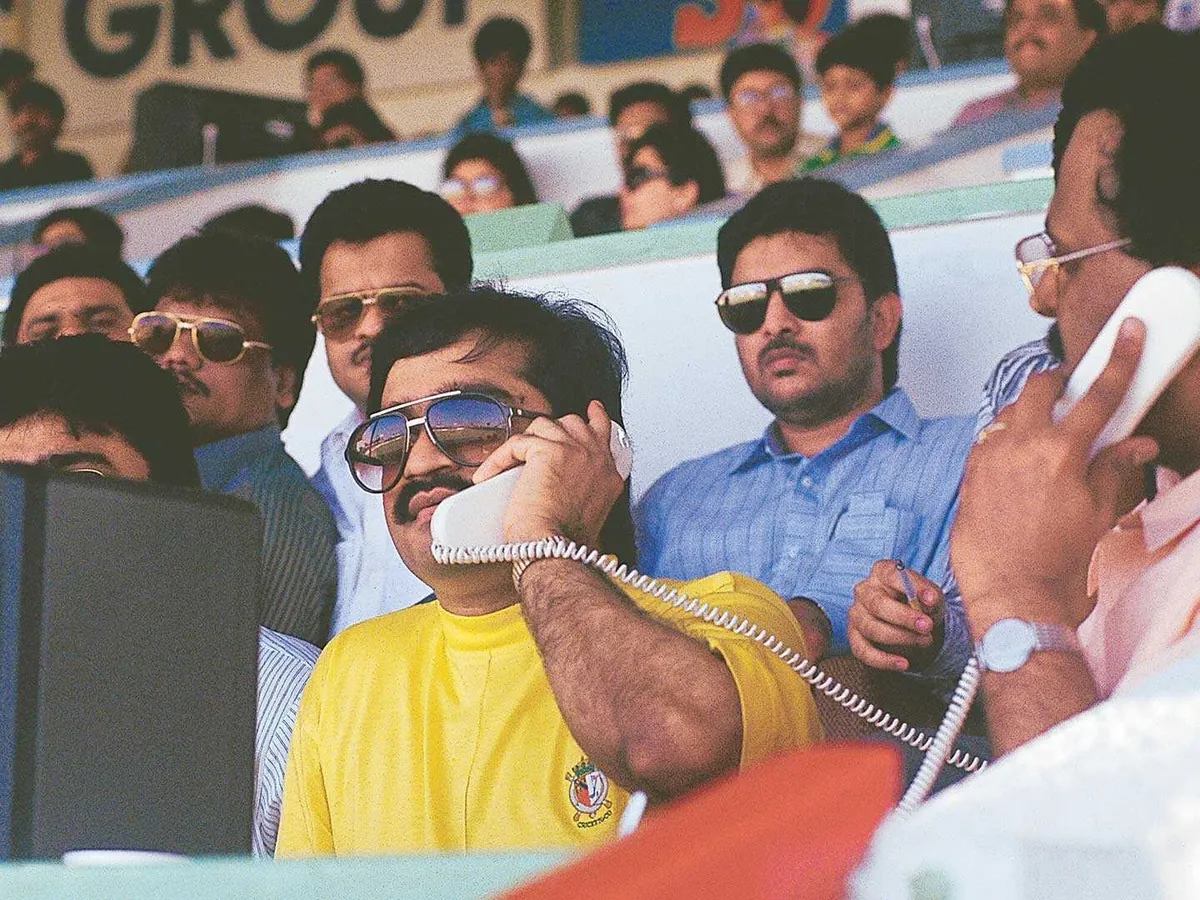
Dawood Ibrahim, a notorious figure in organized crime, has had a significant impact on the Bollywood film industry, particularly during the 1990s. Recent discussions have highlighted the pressures faced by filmmakers and actors during this tumultuous period.
Farah Khan, a prominent filmmaker, recently recounted the atmosphere of fear that permeated the industry in the 1990s. She confirmed that major stars like Shah Rukh Khan, Salman Khan, and Aamir Khan were subjected to threats from the underworld, which sought to exert control over film production and distribution.
During this time, Mumbai’s criminal networks, particularly those linked to Ibrahim, were alleged to be involved in film financing. The underworld’s influence extended to threatening producers and manipulating distribution channels, creating a climate of intimidation.
The murder of film producer Mukesh Duggal around 1993 or 1994 shocked the industry and served as a grim reminder of the risks associated with the mafia’s grip on Bollywood. Farah Khan’s reflections on this period underscore the pervasive fear that characterized the filmmaking landscape.
Despite the challenges, the Hindi film industry expanded rapidly during the 1980s and 1990s. However, the increasing pressure from criminal elements led to a push for stricter policing and the establishment of corporate studios, which gradually reduced the mafia’s influence.
Karan Johar, another key figure in Bollywood, faced a direct threat during the premiere of his film “Kuch Kuch Hota Hai,” a situation that Farah Khan described as very scary. This incident illustrates the extent to which the underworld sought to intimidate filmmakers and disrupt the industry.
The 1980s marked a particularly challenging period for mainstream Hindi cinema, as the underworld’s involvement in the industry became more pronounced. The fear instilled by figures like Dawood Ibrahim had lasting effects on the creative environment.
As the industry evolved, the grip of organized crime began to loosen, allowing filmmakers to operate with greater freedom. However, the legacy of that era continues to resonate, as industry veterans recount their experiences.
Farah Khan’s acknowledgment of the past serves as a reminder of the resilience of Bollywood in the face of adversity. The industry’s ability to overcome such challenges is a testament to the dedication of its artists and producers.
Details remain unconfirmed regarding the current state of Dawood Ibrahim’s influence on Bollywood, but the historical context remains a crucial aspect of understanding the industry’s evolution.
Related Posts
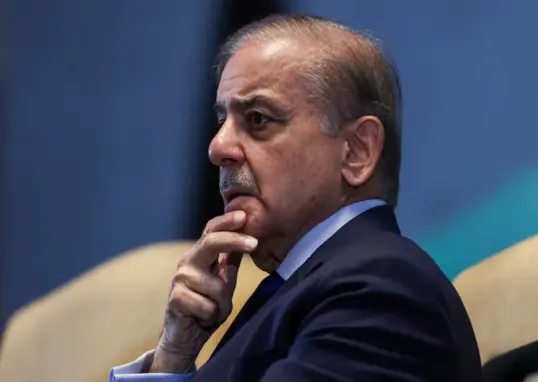
Nawaz Sharif’s Political Landscape Amidst National Challenges
Nawaz Sharif's political landscape is under scrutiny as Pakistan grapples with an oil crisis and agricultural reforms led by his family.

Mamata Banerjee
Mamata Banerjee has raised concerns regarding the Election Commission's recent administrative changes in West Bengal, following the announcement of Assembly elections.

Riyadh: Flight Operations to Resume Amid Regional Tensions
Indian carriers have resumed flight operations to Riyadh, with several services scheduled for today. The Ministry of Civil Aviation is closely monitoring...

Saudi news: Eid al-Fitr 2026: Update on Celebration Dates
Eid al-Fitr 2026 is set to begin on March 20 in Saudi Arabia, following the crescent moon sighting. This marks a significant...

Qatar Faces Iranian Missile Attack on Key Gas Facility
Iranian missile attacks have targeted Qatar's Ras Laffan Industrial City, causing significant damage but no reported injuries. The incident has escalated regional...
Read out all
Yariv Levin’s Role Amid Netanyahu’s Unprecedented Pardon Request
Yariv Levin, Israel's Minister of Justice, is at the center of a significant legal controversy as Prime Minister Benjamin Netanyahu seeks a...