
Reaction from the field
The conflict in the Middle East has reached a critical juncture, with over 2,000 lives lost since it began on February 28, 2026. The ongoing war, now in its fourth week, has seen significant military actions and heightened tensions among regional powers, particularly involving Iran, Israel, and the United States.
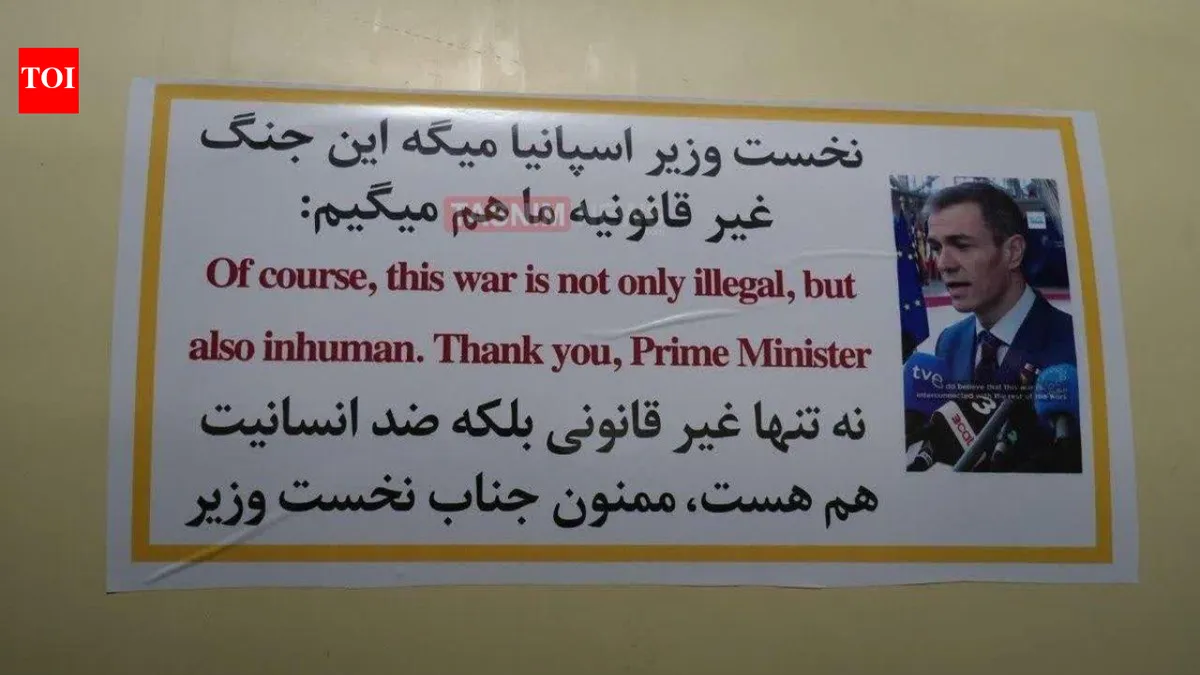
In a provocative move, Iran attached Spanish Prime Minister Pedro Sanchez’s anti-war remarks to missiles aimed at Israel, highlighting the escalating rhetoric and military posturing. Sanchez’s statement, calling the war “illegal and inhuman,” reflects the growing international concern over the conflict’s humanitarian impact.
As the situation deteriorates, Iran has issued stern warnings regarding potential US military actions. Iranian Parliament Speaker Mohammad Bagher Ghalibaf declared that any targeting of Iranian power plants would lead to the destruction of vital infrastructure across the region. This threat underscores the strategic importance of the Strait of Hormuz, a critical waterway through which approximately 20 percent of global oil supplies transit.
In response to US threats, Iran’s Islamic Revolutionary Guard Corps has stated it would shut the Strait of Hormuz if its power plants are attacked. This escalation could have dire consequences for global energy markets and international shipping routes, raising the stakes for all parties involved.
On the ground, the Israeli military has intensified its operations against Hezbollah in Lebanon, with Lieutenant General Eyal Zamir stating, “The operation against the Hezbollah terrorist organisation has only begun. This is a prolonged operation.” Such military actions are likely to further complicate the already volatile situation in the region.
Additionally, Hezbollah’s recent rocket attack in Lebanon resulted in one death on March 22, 2026, illustrating the immediate human cost of the conflict. Meanwhile, Kataeb Hezbollah has extended a pause on attacks against the US embassy in Baghdad by five days, indicating a complex interplay of military strategy and political maneuvering.
Israeli Prime Minister Netanyahu has called for broader international involvement in the war against Iran, suggesting that the conflict may draw in additional global powers as tensions escalate. The international community is watching closely, as any miscalculation could lead to a wider regional conflict.
As the situation continues to evolve, uncertainties remain regarding the potential for further military engagements and the overall impact on regional stability. Details remain unconfirmed, and the international community is urged to seek diplomatic solutions to prevent further escalation.
Related Posts
RBI
The Reserve Bank of India has launched a Benchmark Issuance Strategy for market borrowings, impacting nine states and RBL Bank's foreign investment.

Zimbabwe Cricket Set for T20 Series Against India in 2026
Zimbabwe is set to host India for a three-match T20 International series in July 2026, a significant opportunity for the team and...
Read out all
Annamalai: K ‘s Absence from BJP Candidate List for Tamil Nadu Elections
K Annamalai was not included in the BJP's candidate list for the upcoming Tamil Nadu elections, raising questions about his future in...
Read out all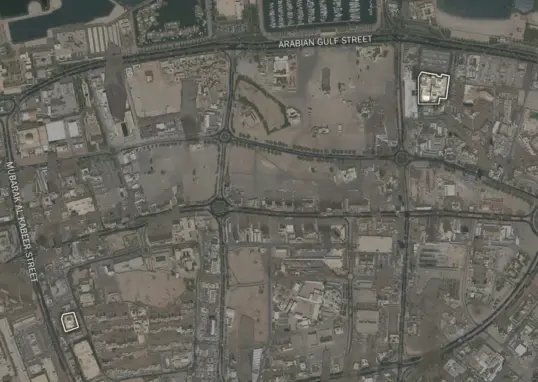
Kuwait Attack Today: Iranian Drones Target Refinery and Desalination Plant
Today, Iranian drones struck key infrastructure in Kuwait, including the Mina al-Ahmadi refinery and a desalination plant, causing significant damage but no...

Rohini Sindhuri Faces Corruption Allegations in Karnataka
Rohini Sindhuri, a senior IAS officer, is under scrutiny for alleged corruption related to the procurement of eco-friendly bags in Karnataka.
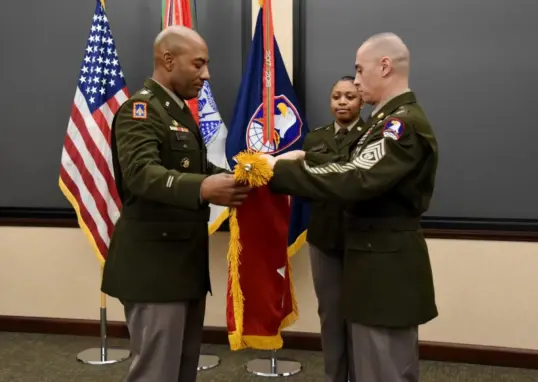
US Army Chief Randy George Dismissed Amid Controversy
Pete Hegseth has announced the immediate retirement of US Army Chief Randy George, citing disputes over military promotions. This marks a significant...