
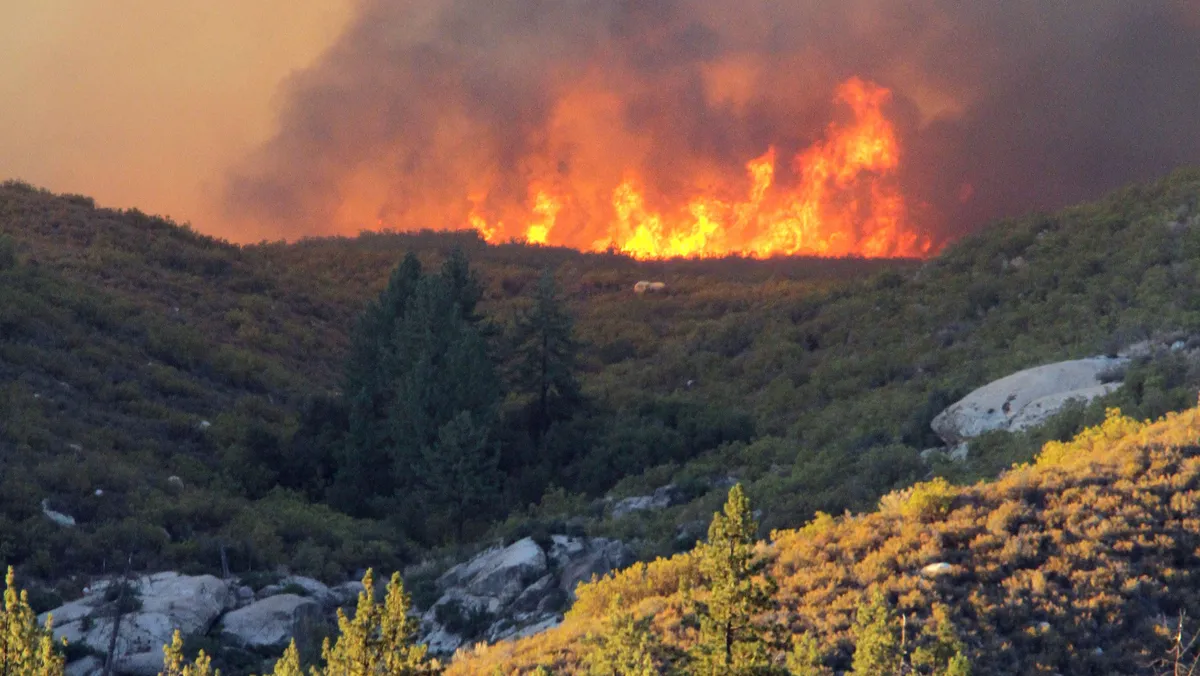
Key moments
Recent developments in climate science have underscored the urgent reality of climate change, with new data revealing that human activities have significantly increased the frequency and severity of extreme weather events. A study indicates that human-caused climate change has at least doubled the risk of extreme heatwaves, as evidenced by the devastating European heatwave in 2003, which resulted in approximately 70,000 fatalities.
In a comprehensive analysis of over 600 studies, researchers found that 74% of extreme weather events were made more likely or severe due to climate change. Notably, 85% of the extreme weather events included in the Carbon Brief map were influenced by human-caused climate change, highlighting the pervasive impact of these changes on global weather patterns.
Further compounding these concerns, the Earth’s energy imbalance has reached unprecedented levels, with a global near-surface temperature in 2025 reported to be 1.43 ± 0.13 °C above the pre-industrial average of 1850–1900. Additionally, ocean heat content has reached the highest level since records began in 1960, and the annual average Arctic sea-ice extent for 2025 was noted as the lowest or second lowest on record since 1979.
The implications of climate change extend beyond temperature increases, as evidenced by the recent dengue outbreak in Peru. In 2023, over 22,000 infections were reported, with 381 dengue-related deaths by July. Experts estimate that 60% of these cases were linked to extreme rainfall associated with Cyclone Yaku, illustrating the direct health impacts of climate-related weather events.
Celeste Saulo, a prominent climatologist, stated, “Human activities are increasingly disrupting the natural equilibrium and we will live with these consequences for hundreds and thousands of years.” This sentiment echoes the urgent warnings from UN Secretary-General António Guterres, who remarked, “Climate chaos is accelerating and delay is deadly.” Such statements reflect a growing consensus among scientists and policymakers about the critical need for immediate action to mitigate climate change effects.
The study of extreme event attribution, which began in 2004 with research on the 2003 European heatwave, has evolved to provide clearer insights into the role of climate change in specific weather events. Prof Erin Mordecai noted, “This is the first time scientists have been able to pinpoint the role of climate change and precisely measure the impact of a particular storm on dengue,” emphasizing the importance of understanding these connections.
As the world grapples with the escalating consequences of climate change, the need for comprehensive strategies to address these challenges becomes increasingly urgent. The data collected thus far serves as a clarion call for global cooperation and action to combat the adverse effects of climate change on health, safety, and the environment. Details remain unconfirmed regarding the full extent of future impacts, but the evidence continues to mount, underscoring the necessity for immediate and sustained efforts to address this global crisis.
Related Posts
NASA Artemis II Astronauts Set to Make Historic Journey
The NASA Artemis II mission features a crew of four astronauts on a groundbreaking journey beyond Earth's orbit.
Satellite Images Cloud Formation Captures Massive Weather System Over India and Pakistan
Recent satellite images show a massive cloud formation over India and Pakistan, linked to a western disturbance expected to bring severe weather...

Pink moon: The Upcoming : A Celestial Event in April 2026
The Pink Moon will take place on April 1-2, 2026, marking a time of growth and renewal as it becomes visible across...
Read out all
NASA Astronauts Space Station Evacuation
NASA's first medical evacuation from the International Space Station occurred after astronaut Mike Fincke experienced a sudden loss of speech.
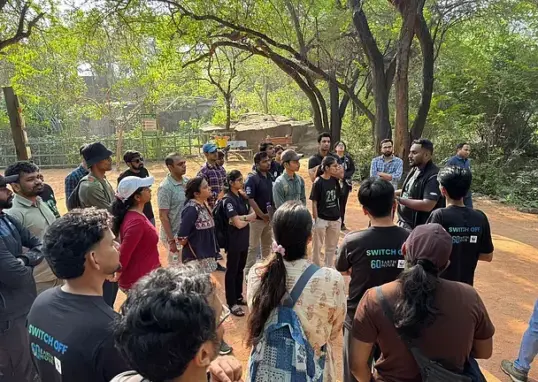
Earth Hour Celebrates 20 Years of Global Climate Action
Earth Hour, now in its 20th year, encourages global participation in climate action by turning off lights for one hour. Events are...
Read out all
CSIR Initiatives in Sustainable Infrastructure and Drone Technology
CSIR is leading efforts in sustainable infrastructure through innovative use of waste foundry sand and advanced drone technology.