
Reaction from the field
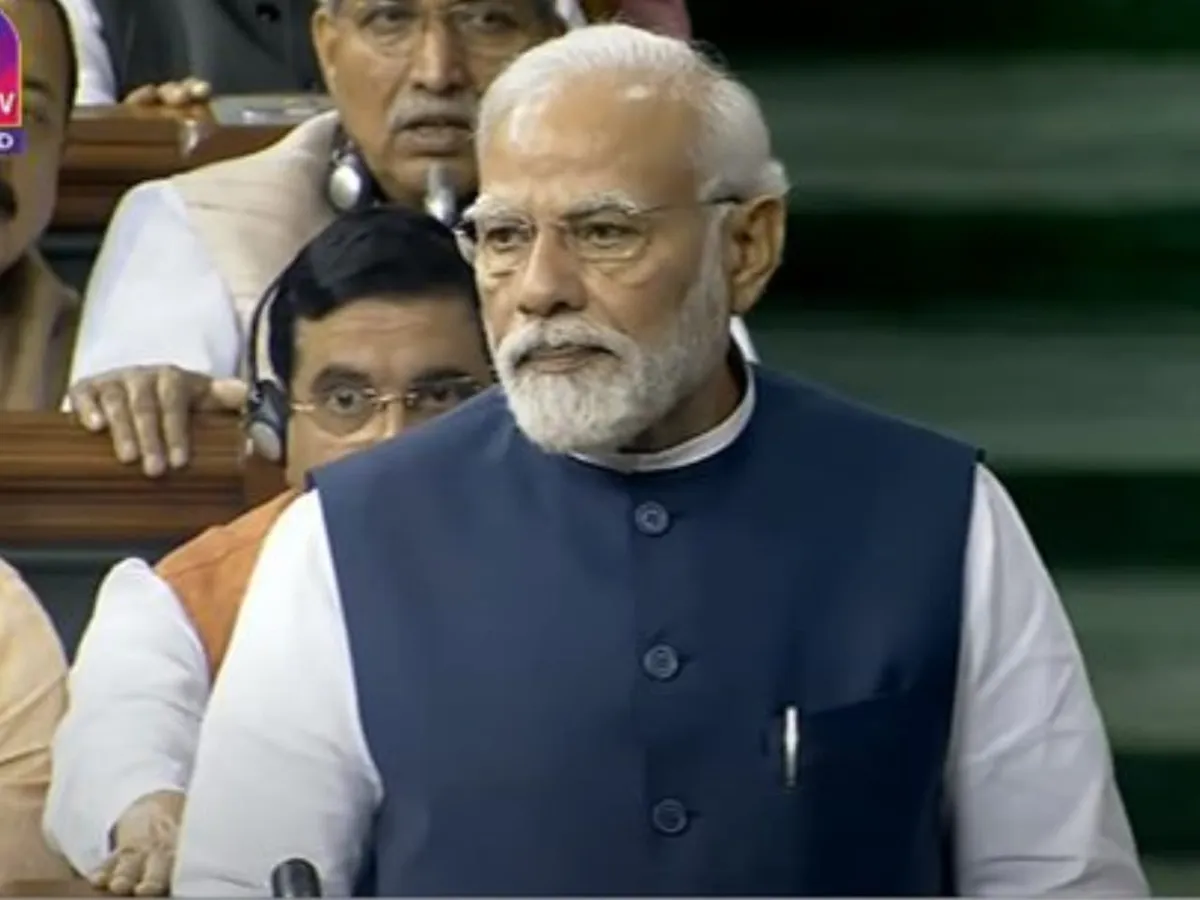
India’s recent policy announcements signal a robust approach to climate change and the regulation of non-governmental organizations (NGOs). Prime Minister Narendra Modi emphasized that India’s handling of tensions in West Asia showcases its strength in fostering relationships and effectively managing crises. This statement underscores the government’s commitment to maintaining stability while addressing pressing global issues.
In a significant move towards climate action, India has committed to reducing the emissions intensity of its GDP by 47 percent by 2035 from 2005 levels. This ambitious target is part of a broader strategy that includes achieving 60 percent of cumulative electric power installed capacity from non-fossil fuel-based energy resources by the same year. These commitments align with India’s Nationally Determined Contribution (NDC) for the period 2031 to 2035, which was recently approved by the Union Cabinet.
Additionally, India plans to create a carbon sink of 3.5 to 4.0 billion tonnes of CO₂ equivalent through enhanced forest and tree cover by 2035. This initiative is part of India’s ongoing efforts to combat climate change and fulfill its international obligations under the Paris Agreement. The operational framework for these actions is guided by the National Action Plan on Climate Change (NAPCC) and its nine national missions.
On the regulatory front, the Foreign Contribution (Regulation) Amendment Bill, 2026, aims to enhance government oversight of NGOs operating in India. Approximately 16,000 NGOs currently function under the Foreign Contribution Regulation Act (FCRA), receiving about ₹22,000 crore (approximately $2.6 billion) in foreign contributions annually. The proposed bill seeks to tighten the management of foreign funds and assets, allowing the government to assume control of the assets of NGOs whose FCRA registration is revoked or not renewed.
Nityanand Rai, the Minister of State for Home Affairs, stated, “The Modi government will not tolerate any misutilisation of foreign funding and will take strong action against such elements.” This statement reflects the government’s intent to ensure that foreign contributions are utilized effectively and transparently, reinforcing accountability among NGOs.
Furthermore, the proposed legislation reduces the maximum jail term for violations of the FCRA from five years to one year, indicating a shift towards more stringent enforcement measures. This change aims to deter potential violations while also streamlining the regulatory process for NGOs.
As these developments unfold, the implications for both climate policy and NGO operations in India remain significant. The government’s commitment to reducing emissions and enhancing regulatory oversight will likely shape the landscape of environmental governance and civil society engagement in the country. However, details remain unconfirmed regarding the specific implementation timelines and the potential impact on existing NGOs.
Related Posts

Cognizant’s Layoffs and AI Hiring Strategy
Cognizant plans to lay off up to 15,000 employees globally, impacting traditional IT jobs and creating openings for fresh graduates.
Read out all
Governance
The DMK raises concerns about the lack of anti-incumbency in BJP-ruled states. They highlight issues affecting opposition parties.
Read out all
Us iran news
Trump has paused the 'Project Freedom' operation, indicating possible advancements in US-Iran negotiations amidst rising tensions in the Strait of Hormuz.

Cv shanmugam and internal dissent in AIADMK
Internal dissent within the AIADMK is escalating as a faction of MLAs considers backing Vijay's TVK for government formation. CV Shanmugam plays...

Rahul Gandhi’s Confrontational Question to Selvaperunthagai
Rahul Gandhi confronted Selvaperunthagai with a tough question, stirring speculation ahead of the Vijay swearing-in ceremony.

Love insurance kompany
'Love Insurance Kompany' has experienced a notable decline in box office collections following its second week of release.
Read out all