
How it unfolded
The crisis in West Asia has been ongoing for more than three weeks, creating significant challenges for India. The conflict has raised concerns not only about national security but also about the economic stability of the country, given India’s extensive trade relations with the nations involved in the conflict.
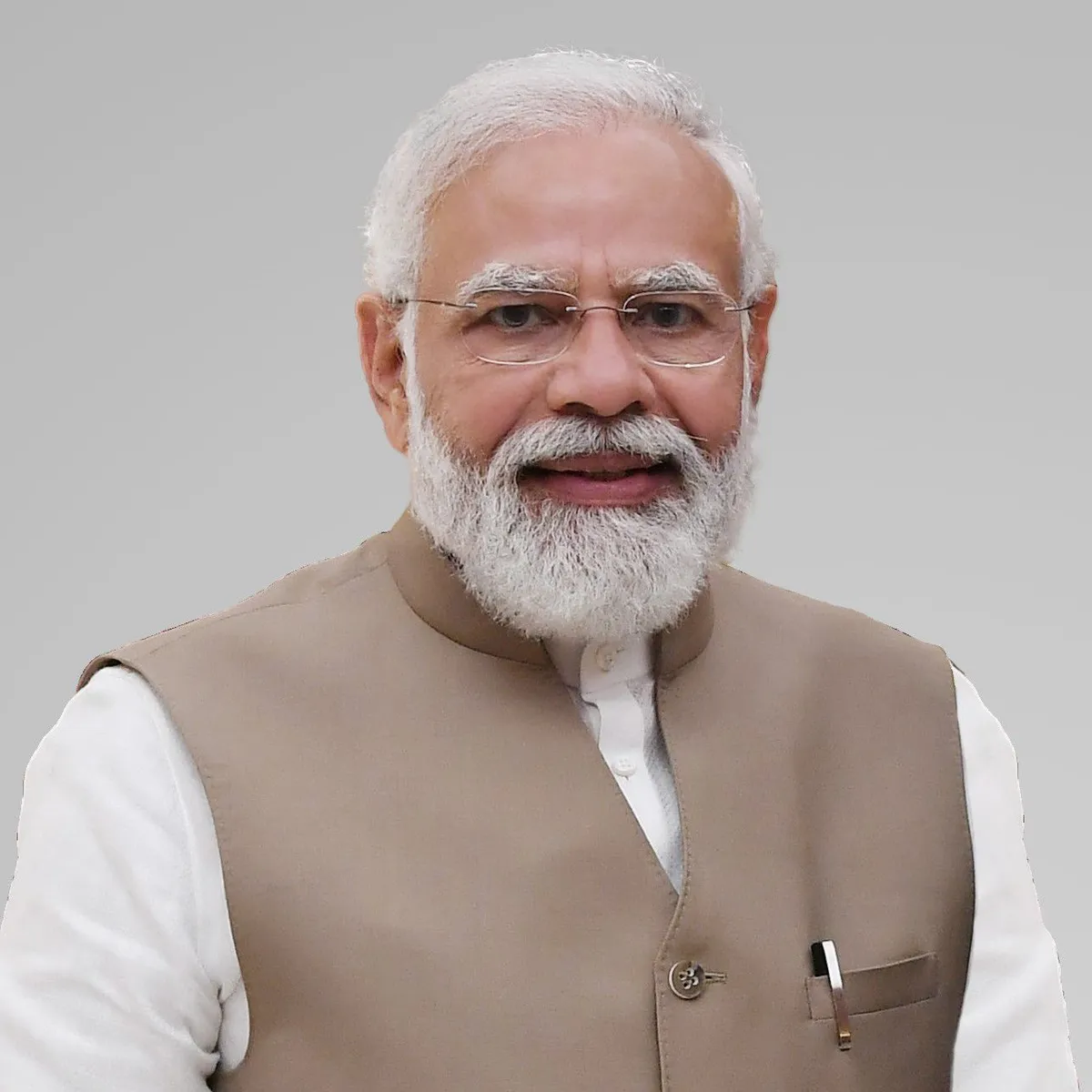
As the situation escalated, Prime Minister Narendra Modi engaged with leaders from Gulf countries, Iran, Israel, and the United States to discuss the implications of the conflict. Modi emphasized the importance of a united voice from India’s Parliament regarding the crisis, stating, “India’s concerns are naturally greater, and therefore it is essential that a united and unanimous voice goes out to the world from India’s Parliament on this crisis.” This reflects India’s strategic position in the region, where nearly one crore Indians live and work in Gulf countries.
In response to the conflict, the Indian government has established 24/7 control rooms and emergency helplines to assist Indians abroad. Since the war began, more than 3,75,000 Indians have safely returned to India, showcasing the government’s commitment to ensuring the safety of its citizens. The Prime Minister noted, “The whole world is urging all parties for the earliest possible resolution of this crisis,” highlighting the global call for peace.
Moreover, the conflict has disrupted supply chains, prompting Modi to state, “Continuous efforts are also underway to determine how we can overcome the disruptions that have occurred in the supply chain.” This is particularly crucial as India has expanded its energy import sources from 27 countries to 41 countries over the past 11 years, ensuring a diverse supply of energy resources.
India’s Strategic Petroleum Reserve, which exceeds 53 lakh metric tonnes, plays a vital role in safeguarding the country against potential energy shortages during such crises. Additionally, India’s solar power capacity has surged from approximately 3 gigawatts to 140 gigawatts in the past 11 years, reflecting the country’s commitment to energy security and sustainability.
In the educational sector, the Central Board of Secondary Education (CBSE) has cancelled the scheduled Class 10th and 12th examinations in Indian schools located in Gulf countries, acknowledging the impact of the ongoing conflict on students and families. This decision underscores the government’s sensitivity to the challenges faced by expatriates in the region.
As the situation continues to evolve, the Indian government remains vigilant, continuously monitoring global developments to protect consumer and industry interests. The Prime Minister has also raised the issue of de-escalation and the reopening of the Strait of Hormuz, a critical maritime route for global oil supplies, indicating India’s proactive stance in international diplomacy.
In summary, the ongoing conflict in West Asia poses unprecedented economic, national security, and humanitarian pressures for India. The government’s multifaceted approach, including diplomatic engagements and domestic safety measures, reflects its commitment to addressing the challenges posed by the crisis while ensuring the welfare of its citizens abroad.
Related Posts
RBI
The Reserve Bank of India has launched a Benchmark Issuance Strategy for market borrowings, impacting nine states and RBL Bank's foreign investment.

Zimbabwe Cricket Set for T20 Series Against India in 2026
Zimbabwe is set to host India for a three-match T20 International series in July 2026, a significant opportunity for the team and...
Read out all
Annamalai: K ‘s Absence from BJP Candidate List for Tamil Nadu Elections
K Annamalai was not included in the BJP's candidate list for the upcoming Tamil Nadu elections, raising questions about his future in...
Read out all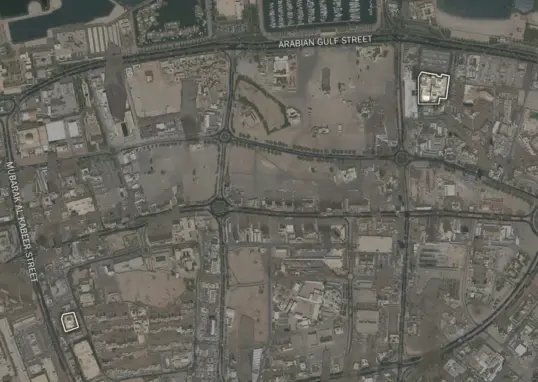
Kuwait Attack Today: Iranian Drones Target Refinery and Desalination Plant
Today, Iranian drones struck key infrastructure in Kuwait, including the Mina al-Ahmadi refinery and a desalination plant, causing significant damage but no...

Rohini Sindhuri Faces Corruption Allegations in Karnataka
Rohini Sindhuri, a senior IAS officer, is under scrutiny for alleged corruption related to the procurement of eco-friendly bags in Karnataka.

US Army Chief Randy George Dismissed Amid Controversy
Pete Hegseth has announced the immediate retirement of US Army Chief Randy George, citing disputes over military promotions. This marks a significant...