
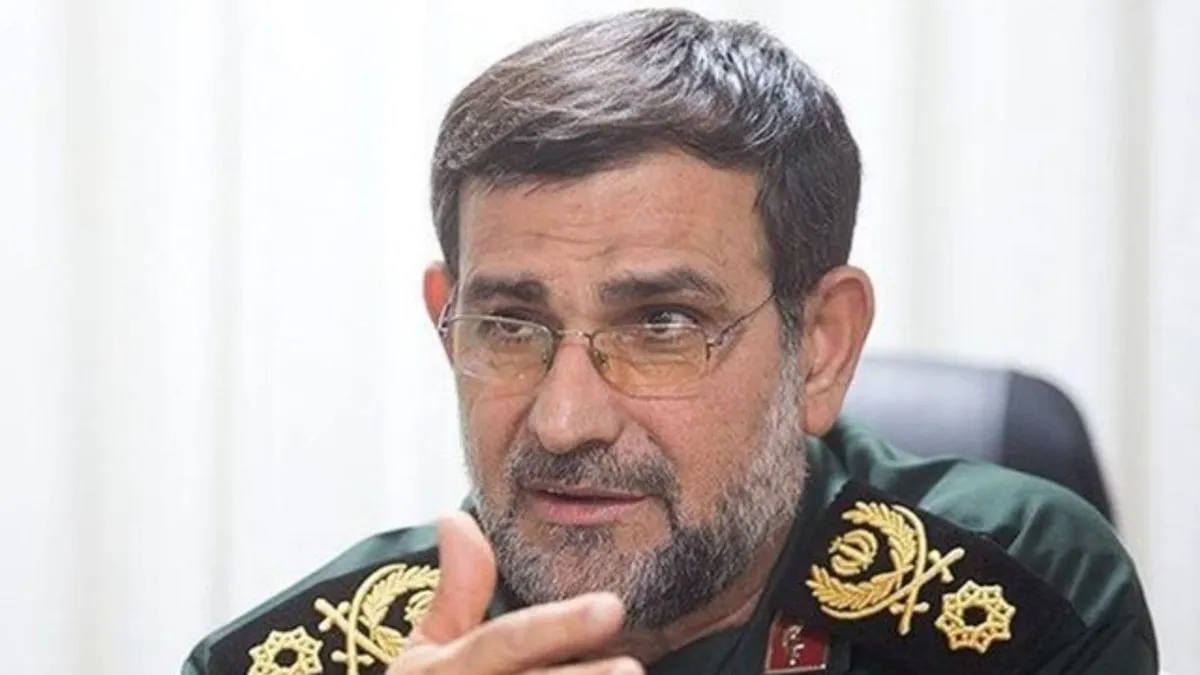
Before the recent developments, Alireza Tangsiri was recognized as a central figure in Iran’s naval strategy, having led the Islamic Revolutionary Guard Corps’ Navy since August 2018. His tenure was marked by aggressive maritime tactics and a significant buildup of naval capabilities, including threats to close the Strait of Hormuz, through which one-fifth of global oil and gas trade passes.
The decisive moment came on March 26, 2026, when Tangsiri was killed in an Israeli strike in Bandar Abbas at 3 a.m. local time. This event has been described as a significant escalation in the ongoing conflict across West Asia, particularly given Tangsiri’s role in directing attacks on oil tankers and commercial vessels using drones and maritime mines.
The immediate effects of Tangsiri’s death are profound. Israeli officials noted that he was ‘responsible for the closure’ of the Strait, indicating that his absence could alter the dynamics of maritime operations in the region. Tangsiri had previously threatened retaliation against U.S. facilities, suggesting that his death could lead to increased tensions and potential retaliatory actions from Iran.
Experts have pointed out that this development is also crucial for U.S. interests in the region. Israel Katz remarked that the incident reflects the Israel Defense Forces’ role in helping to reopen the Strait of Hormuz, which is vital for global oil supply routes. This shift in leadership may embolden Israeli military actions against Iranian targets.
Benjamin Netanyahu emphasized the ongoing commitment to strike the ‘targets of the Iranian terror regime with force,’ indicating that Tangsiri’s death could lead to intensified military operations in the area.
Details remain unconfirmed regarding the exact circumstances of Tangsiri’s death, as Iran has not independently verified the incident. The broader implications of this event on the ongoing conflict remain unclear, with analysts watching closely for Iran’s next moves.
Tangsiri’s leadership was characterized by a reputation for aggressive maritime tactics and opposition to U.S. influence in the region. His killing could create a power vacuum within the IRGC Navy, potentially leading to shifts in strategy and operations.
As the situation unfolds, the international community is left to assess the repercussions of this significant event on regional stability and security.
Related Posts

RBI
The Reserve Bank of India has launched a Benchmark Issuance Strategy for market borrowings, impacting nine states and RBL Bank's foreign investment.

Zimbabwe Cricket Set for T20 Series Against India in 2026
Zimbabwe is set to host India for a three-match T20 International series in July 2026, a significant opportunity for the team and...
Read out all
Annamalai: K ‘s Absence from BJP Candidate List for Tamil Nadu Elections
K Annamalai was not included in the BJP's candidate list for the upcoming Tamil Nadu elections, raising questions about his future in...
Read out all
Kuwait Attack Today: Iranian Drones Target Refinery and Desalination Plant
Today, Iranian drones struck key infrastructure in Kuwait, including the Mina al-Ahmadi refinery and a desalination plant, causing significant damage but no...

Rohini Sindhuri Faces Corruption Allegations in Karnataka
Rohini Sindhuri, a senior IAS officer, is under scrutiny for alleged corruption related to the procurement of eco-friendly bags in Karnataka.

US Army Chief Randy George Dismissed Amid Controversy
Pete Hegseth has announced the immediate retirement of US Army Chief Randy George, citing disputes over military promotions. This marks a significant...