
The numbers
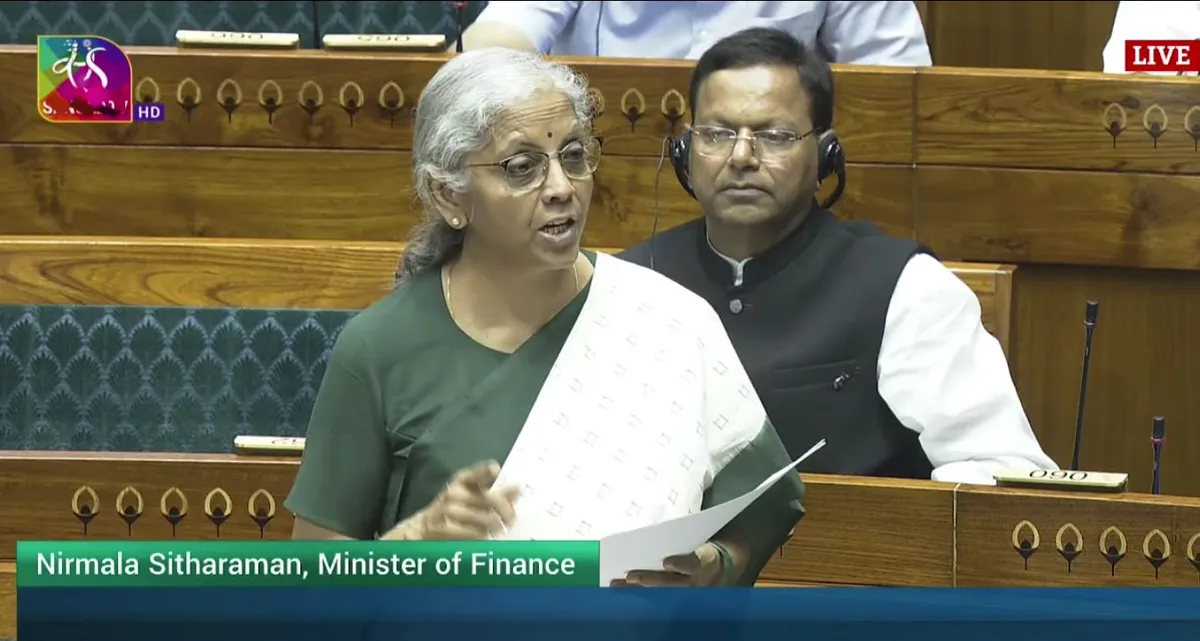
The Lok Sabha passed the Finance Bill, 2026, on March 26, 2026, with key amendments aimed at clarifying the surcharge on share buybacks. A flat 12% surcharge will now apply to share buybacks, with the consideration received by shareholders being treated as capital gains and taxed at 30% for promoters and 22% for promoter companies.
The amendments specify that the applicable surcharge on buyback income is capped at 12%, addressing concerns raised by stakeholders. Sandeepp Jhunjhunwala noted, “The impact of this amendment, however, would largely be limited to small and mid-sized buybacks, as large buybacks where gains exceed ₹1 crore are already subject to a higher surcharge rate of 15%.” This clarification is expected to enhance the understanding and administration of income tax related to buybacks.
In addition to the changes regarding buybacks, the new Income Tax Act, 2025, is set to take effect from April 1, 2026. The turnover limit in the startup tax holiday framework has been raised from ₹100 crore to ₹300 crore, a move aimed at fostering growth in the startup ecosystem.
Finance Minister Nirmala Sitharaman emphasized the importance of cooperatives, MSMEs, and farmers in generating employment and driving economic growth. The government has also announced a three-year tax exemption on dividend income for cooperative federations, which is intended to boost the incomes of small cooperative members and encourage greater participation in the sector. Sitharaman stated, “The move is aimed at boosting incomes of small cooperative members and encouraging wider participation in the sector.”
The budget provision for public capital expenditure has been set at more than ₹12 lakh crore, representing 3.1% of the GDP. This budget is 11.5% higher than the revised estimates for 2025-26, reflecting the government’s commitment to infrastructure development. Sitharaman remarked, “Money will be spent to strengthen the country’s infrastructure,” highlighting the focus on enhancing public facilities.
Furthermore, the government plans to transfer more than ₹25 lakh crore to the states this year, a significant allocation aimed at supporting state-level initiatives and development projects. This financial strategy underscores the central government’s approach to ensuring that states have the resources needed for local governance and development.
As the Finance Bill 2026 is implemented, observers will be closely monitoring its impact on various sectors, particularly how the changes in tax provisions will influence cooperative participation and the overall economic landscape. Details remain unconfirmed regarding the long-term effects of these amendments on the market and employment rates.
Related Posts
RBI
The Reserve Bank of India has launched a Benchmark Issuance Strategy for market borrowings, impacting nine states and RBL Bank's foreign investment.

Zimbabwe Cricket Set for T20 Series Against India in 2026
Zimbabwe is set to host India for a three-match T20 International series in July 2026, a significant opportunity for the team and...
Read out all
Annamalai: K ‘s Absence from BJP Candidate List for Tamil Nadu Elections
K Annamalai was not included in the BJP's candidate list for the upcoming Tamil Nadu elections, raising questions about his future in...
Read out all
Kuwait Attack Today: Iranian Drones Target Refinery and Desalination Plant
Today, Iranian drones struck key infrastructure in Kuwait, including the Mina al-Ahmadi refinery and a desalination plant, causing significant damage but no...

Rohini Sindhuri Faces Corruption Allegations in Karnataka
Rohini Sindhuri, a senior IAS officer, is under scrutiny for alleged corruption related to the procurement of eco-friendly bags in Karnataka.

US Army Chief Randy George Dismissed Amid Controversy
Pete Hegseth has announced the immediate retirement of US Army Chief Randy George, citing disputes over military promotions. This marks a significant...