
The numbers
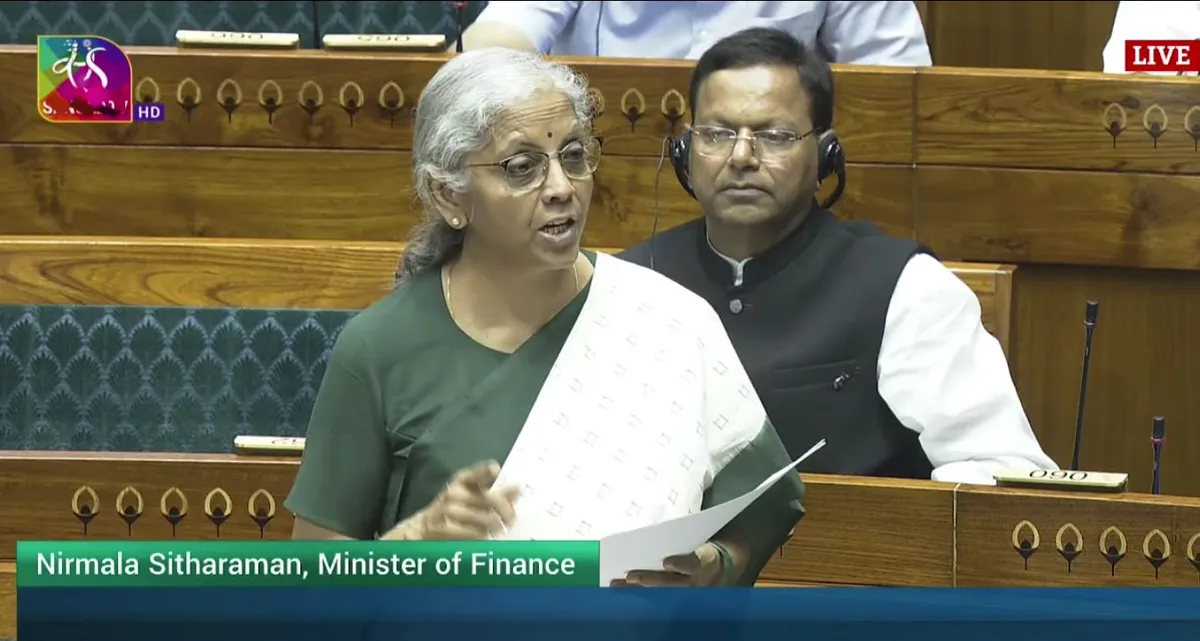
The Lok Sabha passed the Finance Bill, 2026, on March 26, 2026, with key amendments aimed at clarifying the surcharge on share buybacks. A flat 12% surcharge will now apply to share buybacks, with the consideration received by shareholders being treated as capital gains and taxed at 30% for promoters and 22% for promoter companies.
The amendments specify that the applicable surcharge on buyback income is capped at 12%, addressing concerns raised by stakeholders. Sandeepp Jhunjhunwala noted, “The impact of this amendment, however, would largely be limited to small and mid-sized buybacks, as large buybacks where gains exceed ₹1 crore are already subject to a higher surcharge rate of 15%.” This clarification is expected to enhance the understanding and administration of income tax related to buybacks.
In addition to the changes regarding buybacks, the new Income Tax Act, 2025, is set to take effect from April 1, 2026. The turnover limit in the startup tax holiday framework has been raised from ₹100 crore to ₹300 crore, a move aimed at fostering growth in the startup ecosystem.
Finance Minister Nirmala Sitharaman emphasized the importance of cooperatives, MSMEs, and farmers in generating employment and driving economic growth. The government has also announced a three-year tax exemption on dividend income for cooperative federations, which is intended to boost the incomes of small cooperative members and encourage greater participation in the sector. Sitharaman stated, “The move is aimed at boosting incomes of small cooperative members and encouraging wider participation in the sector.”
The budget provision for public capital expenditure has been set at more than ₹12 lakh crore, representing 3.1% of the GDP. This budget is 11.5% higher than the revised estimates for 2025-26, reflecting the government’s commitment to infrastructure development. Sitharaman remarked, “Money will be spent to strengthen the country’s infrastructure,” highlighting the focus on enhancing public facilities.
Furthermore, the government plans to transfer more than ₹25 lakh crore to the states this year, a significant allocation aimed at supporting state-level initiatives and development projects. This financial strategy underscores the central government’s approach to ensuring that states have the resources needed for local governance and development.
As the Finance Bill 2026 is implemented, observers will be closely monitoring its impact on various sectors, particularly how the changes in tax provisions will influence cooperative participation and the overall economic landscape. Details remain unconfirmed regarding the long-term effects of these amendments on the market and employment rates.
Related Posts

Cognizant’s Layoffs and AI Hiring Strategy
Cognizant plans to lay off up to 15,000 employees globally, impacting traditional IT jobs and creating openings for fresh graduates.
Read out all
Governance
The DMK raises concerns about the lack of anti-incumbency in BJP-ruled states. They highlight issues affecting opposition parties.
Read out all
Us iran news
Trump has paused the 'Project Freedom' operation, indicating possible advancements in US-Iran negotiations amidst rising tensions in the Strait of Hormuz.

Cv shanmugam and internal dissent in AIADMK
Internal dissent within the AIADMK is escalating as a faction of MLAs considers backing Vijay's TVK for government formation. CV Shanmugam plays...

Rahul Gandhi’s Confrontational Question to Selvaperunthagai
Rahul Gandhi confronted Selvaperunthagai with a tough question, stirring speculation ahead of the Vijay swearing-in ceremony.

Love insurance kompany
'Love Insurance Kompany' has experienced a notable decline in box office collections following its second week of release.
Read out all