
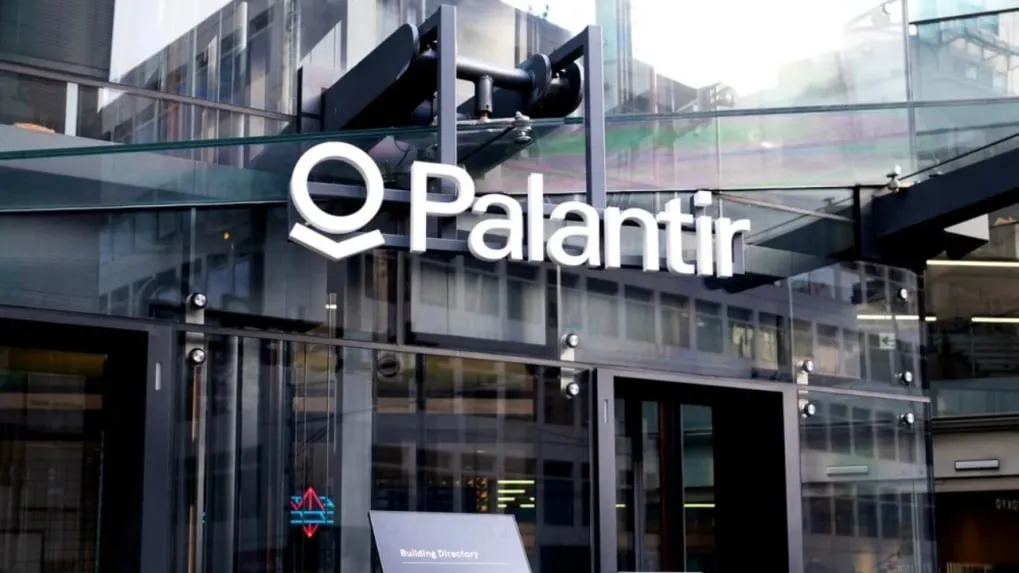
“Success in the AI era will favour those who can approach challenges from unusual angles, take risks, and innovate in ways machines cannot,” stated Alex Karp, CEO of Palantir Technologies, during a recent discussion on the evolving job landscape influenced by artificial intelligence.
Karp highlighted that as AI continues to transform various industries, only two categories of individuals are likely to thrive: those with practical vocational skills and neurodivergent individuals. He noted, “You are likely to have a bright future if you have practical, hands-on skills or if you are neurodivergent.”
In his remarks, Karp pointed out that skilled trades such as carpentry, electrical work, and plumbing will remain in demand due to the expansion of AI infrastructure. This suggests a shift in the job market where traditional roles may be overshadowed by the need for specialized skills.
Moreover, Karp emphasized the potential advantages that neurodivergent individuals, including those with dyslexia, ADHD, or autism, may have in an AI-driven world. Their unique problem-solving abilities could provide them with a competitive edge, allowing them to navigate challenges in innovative ways.
In line with this vision, Palantir has introduced a Neurodivergent Fellowship programme, offering salaries ranging from $110,000 to $200,000 annually. This initiative aims to attract neurodivergent talent and high-achieving school leavers who may choose to skip traditional university pathways.
Karp’s insights come amid growing concerns about job displacement due to AI. He warned that traditional education may not guarantee job security in the rapidly changing economy, urging individuals to cultivate original thinking and the ability to build unique solutions.
Research firm Gartner predicts that by 2027, a significant share of Fortune 500 companies will actively recruit neurodivergent talent, indicating a broader recognition of the value these individuals can bring to the workforce.
The rapid adoption of AI has significantly altered how people work, communicate, and access information, intensifying concerns around job displacement. As industries evolve, the emphasis on vocational skills and neurodivergent capabilities may redefine the future of work.
As Palantir continues to innovate and adapt to these changes, the implications of Karp’s statements will likely resonate across various sectors, shaping the dialogue around employment and education in the age of AI.
Related Posts

Cognizant’s Layoffs and AI Hiring Strategy
Cognizant plans to lay off up to 15,000 employees globally, impacting traditional IT jobs and creating openings for fresh graduates.
Read out all
Love insurance kompany
'Love Insurance Kompany' has experienced a notable decline in box office collections following its second week of release.
Read out all
Gas Prices Surge in Kerala’s Food Sector
Protests erupt in Kerala's food sector following a sharp rise in commercial LPG prices. The price of a 19-kg cylinder has soared...
Read out all
Voltas Faces Rising AC Prices in India
The air conditioner market in India is experiencing significant price increases due to rising raw material costs and upcoming energy efficiency regulations....

Sudha Reddy Shines at Met Gala 2026
Sudha Reddy's outfit at the Met Gala 2026 features Kalamkari textiles, highlighting her Indian heritage. She emphasizes the importance of craftsmanship in...
Read out all
Ananya Birla’s Met Gala Debut
Ananya Birla made a bold statement at the Met Gala with her unique couture look, merging fashion and artistic symbolism.
Read out all