
The wider picture
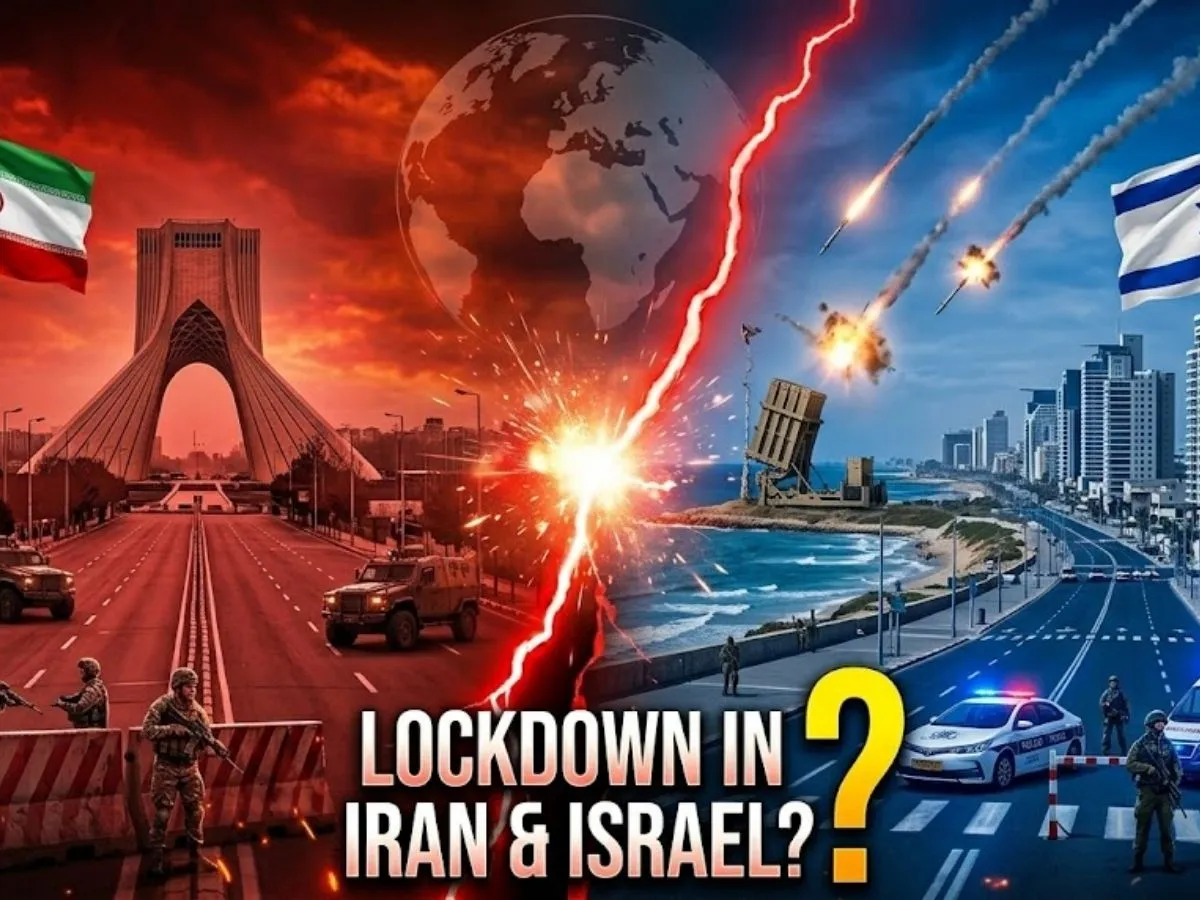
The Iran-Israel war began with the US and Israel launching assaults against Iran on February 28, killing Ayatollah Ali Khamenei. This marked a significant escalation in hostilities, leading to severe consequences for both nations. Currently, Iran and Israel are experiencing severe ‘de facto’ lockdowns due to ongoing air and missile strikes, infrastructure collapse, and travel bans.
Israel is under a state of high military alert, although there is no nationwide lockdown. Instead, strict guidelines have been issued that effectively create a partial lockdown in many areas. Meanwhile, Iran has become largely inaccessible for standard activity, with massive waves of airstrikes targeting its infrastructure and military facilities.
In addition to the humanitarian crisis, the conflict has severely impacted the global oil market. The Strait of Hormuz, a crucial maritime route through which 20% of the world’s oil passes, is currently under a blockade, leading to a staggering 97% drop in traffic. This disruption has triggered a global oil supply shock, with Brent crude prices soaring to between $100 and $120 per barrel during the crisis.
Casualties have been significant, with reports indicating that over 1,900 to over 3,000 people have been killed in Iran, alongside at least 15-17 deaths in Israel since the conflict began. The situation has also escalated in Lebanon, where around 1,000 deaths have been reported since Hezbollah entered the conflict.
Airspace across much of the Middle East is heavily restricted or closed, grounding millions of passengers and stranding travelers. Panic has even spread to countries like India, where rumors of a potential lockdown arose, although the government confirmed there is no planned lockdown.
Internationally, the International Energy Agency has characterized the situation as the largest supply disruption in the history of the global oil market. Observers note that the consequences of the conflict in the Middle East are still difficult to predict, with Russian President Vladimir Putin suggesting that the estimates of impact could be compared to those of the coronavirus epidemic.
As the situation evolves, Indian Prime Minister Narendra Modi emphasized the need for readiness in facing unforeseen challenges, while the focus remains on ensuring an uninterrupted supply of petroleum products, liquefied petroleum gas, and fertilizers. Details remain unconfirmed regarding the potential for a complete lockdown in either Iran or Israel, but severe movement restrictions are currently in place.
Related Posts
RBI
The Reserve Bank of India has launched a Benchmark Issuance Strategy for market borrowings, impacting nine states and RBL Bank's foreign investment.

Zimbabwe Cricket Set for T20 Series Against India in 2026
Zimbabwe is set to host India for a three-match T20 International series in July 2026, a significant opportunity for the team and...
Read out all
Annamalai: K ‘s Absence from BJP Candidate List for Tamil Nadu Elections
K Annamalai was not included in the BJP's candidate list for the upcoming Tamil Nadu elections, raising questions about his future in...
Read out all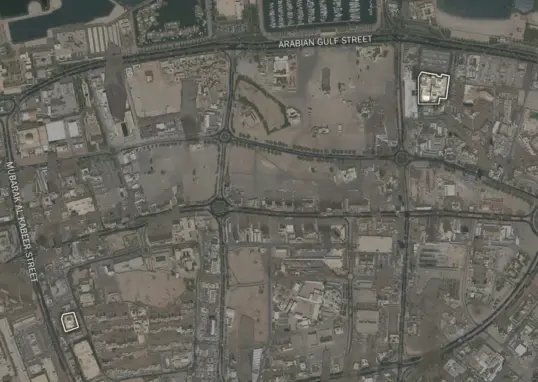
Kuwait Attack Today: Iranian Drones Target Refinery and Desalination Plant
Today, Iranian drones struck key infrastructure in Kuwait, including the Mina al-Ahmadi refinery and a desalination plant, causing significant damage but no...

Rohini Sindhuri Faces Corruption Allegations in Karnataka
Rohini Sindhuri, a senior IAS officer, is under scrutiny for alleged corruption related to the procurement of eco-friendly bags in Karnataka.

US Army Chief Randy George Dismissed Amid Controversy
Pete Hegseth has announced the immediate retirement of US Army Chief Randy George, citing disputes over military promotions. This marks a significant...