
How it unfolded
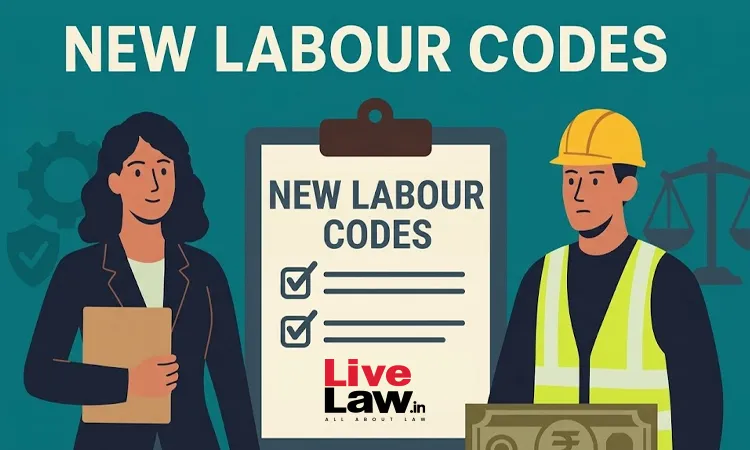
In recent years, India has seen significant changes in its labour laws and the legal framework surrounding digital assets. The introduction of the Occupational Safety, Health and Working Conditions (OSHWC) Code in 2020 marked a pivotal shift in the regulation of working hours, prescribing a maximum of eight working hours per day. This new code replaced the earlier provisions of the Factories Act of 1948, which capped working hours at 48 hours per week and 9 hours per day.
The OSHWC Code extends its provisions to all establishments across sectors, not just factories, thereby broadening the scope of worker protections. This shift is significant as it reflects a move towards more inclusive labour regulations that aim to safeguard the rights of workers in various industries.
Alongside these changes in labour laws, the legal landscape concerning digital assets has also evolved. A notable ruling by the Karnataka High Court established that digital assets, including data and proprietary code, are owned exclusively by the company. Justice M. Nagaprasanna emphasized that in the contemporary digital age, a company’s assets extend beyond physical property to include intangible assets such as data and intellectual property. This ruling clarifies the ownership rights of companies over their digital assets, reinforcing the notion that such property vests solely in the company.
Furthermore, the court ruled that shareholders cannot claim ownership over a company’s assets to negate allegations of misappropriation. This decision has implications for corporate governance and the protection of intellectual property, ensuring that companies maintain control over their digital assets and proprietary information.
In addition to these developments, the Gujarat Uniform Civil Code (UCC) Bill, introduced in 2026, aims to replace religion-based personal laws with a uniform set of rules applicable to all citizens. This legislative effort follows Uttarakhand’s pioneering move in 2024, making it the first Indian state to pass a UCC law. The Gujarat UCC Bill prohibits bigamy and mandates the registration of live-in relationships, marking a significant step towards legal reform and social equality in India.
However, the provisions of the Gujarat UCC Bill will not apply to Scheduled Tribes and certain protected groups, indicating a nuanced approach to legal reform that considers the diverse cultural landscape of India. The idea of a Uniform Civil Code is also enshrined in Article 44 of the Indian Constitution, which calls for the state to secure for all citizens a uniform set of laws governing personal matters.
As these legal frameworks continue to evolve, they hold considerable implications for workers, companies, and the broader societal fabric. The changes in labour codes aim to enhance worker rights and safety, while the rulings on digital assets clarify ownership and protect corporate interests. The push for a Uniform Civil Code reflects ongoing efforts towards social equality and legal uniformity in a diverse nation.
Details remain unconfirmed regarding the full impact of these changes on various stakeholders, but the trajectory indicates a significant transformation in India’s legal landscape, particularly concerning labour rights and digital asset ownership.
Related Posts

IPhone 18 Pro Max expected price
The iPhone 18 Pro Max is anticipated to launch in September 2026, with no confirmed price increases reported yet.
Read out all
BPSC AEDO Admit Card Released for 2026 Exam
The BPSC has released the admit card for the Assistant Education Development Officer exam scheduled for April 2026. Candidates can download it...
Read out all
Gemma 4 AI: A New Era in Open Models
Gemma 4 AI, launched by Google DeepMind, represents a significant advancement in open models, supporting over 140 languages and enabling various innovative...
UPSC Civil Services Examination Update
The UPSC Civil Services Examination is scheduled for April 12, 2026, with a large number of candidates anticipated to participate.
Read out all
UPPSC Principal Recruitment Updates
The Uttar Pradesh Public Service Commission has released admit cards for the Principal recruitment exam. Candidates can download them until April 9,...
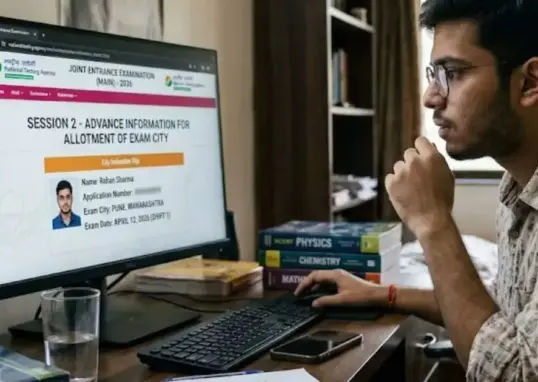
JEE Admit Card Release Expected Soon
The admit card for the JEE Main April 2026 exams is anticipated to be released shortly, providing crucial information for candidates.
Read out all