
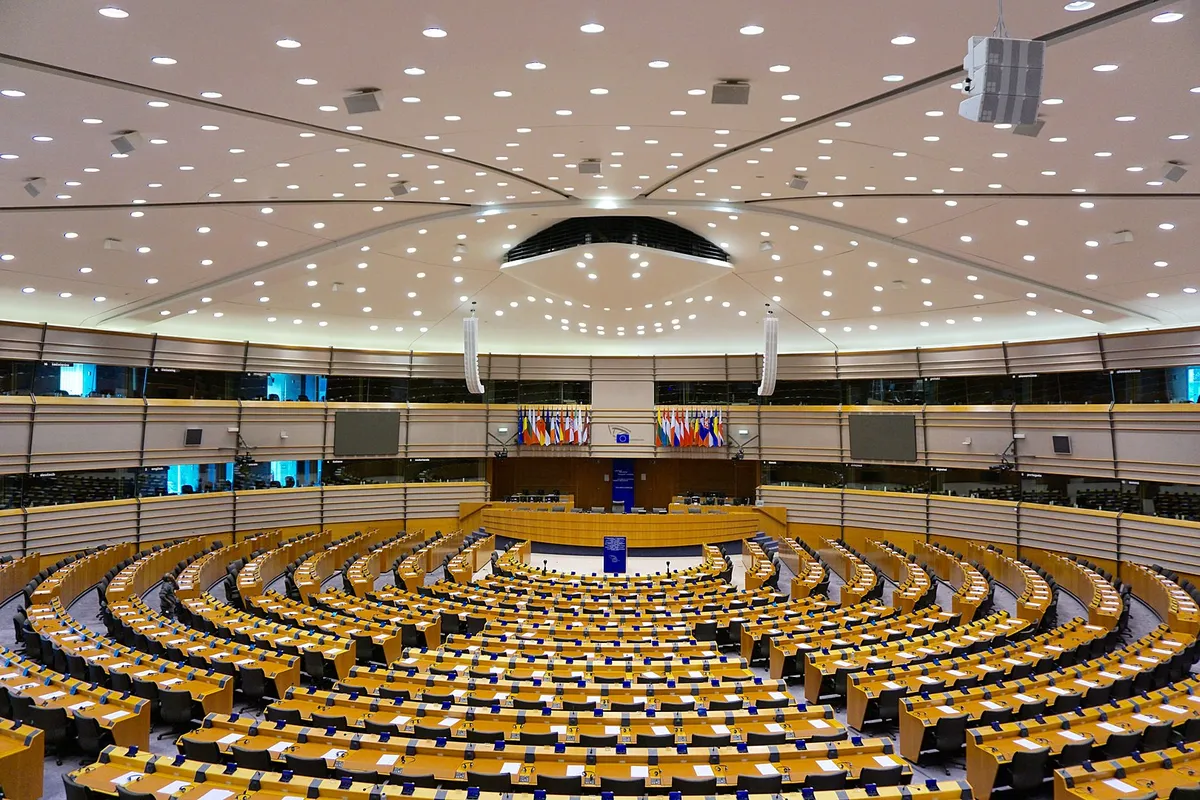
The European Parliament has traditionally acted as a brake on hardline instincts of EU governments on migration. However, a recent vote has marked a significant shift in this approach.
On March 27, 2026, the European Parliament voted on new EU return policies in the field of migration. The vote was adopted with 389 votes in favor, 206 against, and 32 abstentions. This decisive moment has led to the approval of a law that allows for the detention of individuals without the right to stay in the EU for up to two years, an increase from the current maximum detention period of 18 months.
The new proposals also include the establishment of ‘return hubs’ outside the EU for deported individuals, a move that has been spearheaded by Germany, the Netherlands, Austria, Greece, and Denmark. These changes have raised concerns among human rights advocates.
The International Rescue Committee described the vote as a historic setback for refugee rights, highlighting the potential for asylum seekers to disappear into ‘legal black holes’ beyond EU borders. Critics argue that the proposals, influenced by an alliance of mostly centre-right and far-right lawmakers, will strip individuals of rights and protections based solely on their migration status.
Charlie Weimers, a member of the European Parliament, stated, “The era of deportations has begun.” This sentiment reflects a growing concern among various stakeholders about the implications of the new policies.
Marta Welander, an advocate for refugee rights, warned that the legislation is designed to deter, detain, and deport people seeking safety. She emphasized that the return hubs will be located outside of EU territory, where policymakers cannot guarantee that people’s rights will be upheld.
Additionally, the draft law features 38 formulations proposed by the far-right ESN group, further illustrating the influence of far-right politics in shaping EU migration policy.
Human rights groups have also expressed alarm over the harsh penalties included in the proposals for those who refuse to be relocated to the return hubs.
The next step will involve negotiations between lawmakers and member states on a final legislative text, as the EU grapples with the implications of these new return policies.
Related Posts

RBI
The Reserve Bank of India has launched a Benchmark Issuance Strategy for market borrowings, impacting nine states and RBL Bank's foreign investment.

Zimbabwe Cricket Set for T20 Series Against India in 2026
Zimbabwe is set to host India for a three-match T20 International series in July 2026, a significant opportunity for the team and...
Read out all
Annamalai: K ‘s Absence from BJP Candidate List for Tamil Nadu Elections
K Annamalai was not included in the BJP's candidate list for the upcoming Tamil Nadu elections, raising questions about his future in...
Read out all
Kuwait Attack Today: Iranian Drones Target Refinery and Desalination Plant
Today, Iranian drones struck key infrastructure in Kuwait, including the Mina al-Ahmadi refinery and a desalination plant, causing significant damage but no...

Rohini Sindhuri Faces Corruption Allegations in Karnataka
Rohini Sindhuri, a senior IAS officer, is under scrutiny for alleged corruption related to the procurement of eco-friendly bags in Karnataka.

US Army Chief Randy George Dismissed Amid Controversy
Pete Hegseth has announced the immediate retirement of US Army Chief Randy George, citing disputes over military promotions. This marks a significant...