

On March 29, 2026, a significant development occurred at Shoren-in Temple in Kyoto, Japan, with the unveiling of an AI-powered robot monk named Buddharoid. This innovative creation aims to address the growing shortage of human monks, a situation exacerbated by Japan’s aging population and declining number of priests.
The Buddharoid is designed to deliver Buddhist sermons in Japanese while also providing translations in English and Chinese, making the teachings accessible to a broader audience. Unlike human monks, this robot does not tire, forget scriptures, or deviate from its programmed teachings, ensuring a consistent delivery of Buddhist discourses.
Equipped with pre-fed interpretations of Buddhist texts, Buddharoid focuses on themes such as compassion, self-reflection, and detachment from ego. Its calm and measured delivery has intrigued audiences, leading to widespread circulation of videos showcasing the robot preaching on social media platforms.
While the Buddharoid serves as a complement to human monks rather than a replacement, it has sparked a debate about the role of AI in religion. Discussions are already underway to explore the introduction of similar AI-driven systems in other temples across Japan, reflecting a growing interest in integrating technology with traditional practices.
The historical journey of Buddhist philosophy from India to Japan has been highlighted in conversations surrounding the robot monk, emphasizing the importance of preserving and disseminating ancient teachings. Some view Buddharoid as an innovative solution to the challenges faced by temples, while others express concerns about the implications of technology on spiritual practices.
As Japan’s temples continue to face closures due to the diminishing number of priests, the introduction of Buddharoid may serve as a significant attraction for both tourists and devotees. The robot’s ability to deliver sermons without the limitations faced by human monks has led to reflections on the intersection of technology and tradition.
Human monks will still play a central role in conducting rituals and offering personal guidance, ensuring that the spiritual essence of Buddhism remains intact. However, the presence of Buddharoid at Shoren-in Temple marks a notable shift in how religious teachings may be shared in the future.
As the conversation around AI in religious contexts evolves, the Buddharoid stands as a testament to the potential for technology to enhance spiritual experiences while also preserving the core values of Buddhism.
Related Posts

IPhone 18 Pro Max expected price
The iPhone 18 Pro Max is anticipated to launch in September 2026, with no confirmed price increases reported yet.
Read out all
Gemma 4 AI: A New Era in Open Models
Gemma 4 AI, launched by Google DeepMind, represents a significant advancement in open models, supporting over 140 languages and enabling various innovative...
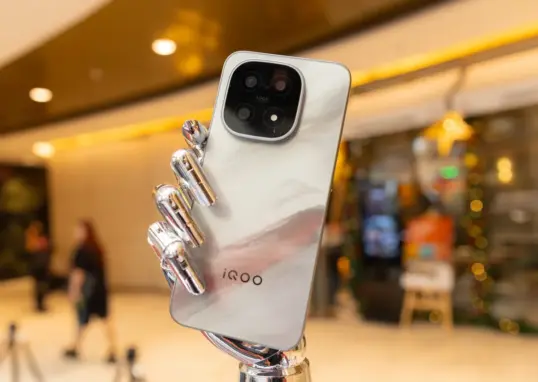
IQOO 15 Apex Edition Launches in India
The iQOO 15 Apex Edition has officially launched in India, showcasing impressive features such as a 50-megapixel camera and a 7,000mAh battery.
Read out all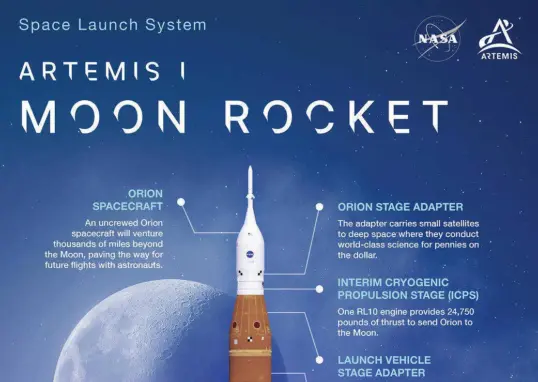
Artemis 2 Launch Time Set for April 1, 2026
NASA's Artemis 2 mission is set to launch on April 1, 2026, carrying a historic international crew around the Moon.

YouTube Android Auto: Limited Functionality for Drivers
YouTube has introduced limited functionality on Android Auto, allowing audio playback but restricting video viewing and browsing options.
Read out all
India bans Chinese CCTV cameras starting April 1, 2026
The Indian government will enforce a ban on non-certified internet-connected CCTV cameras from Chinese manufacturers starting April 1, 2026.
Read out all