
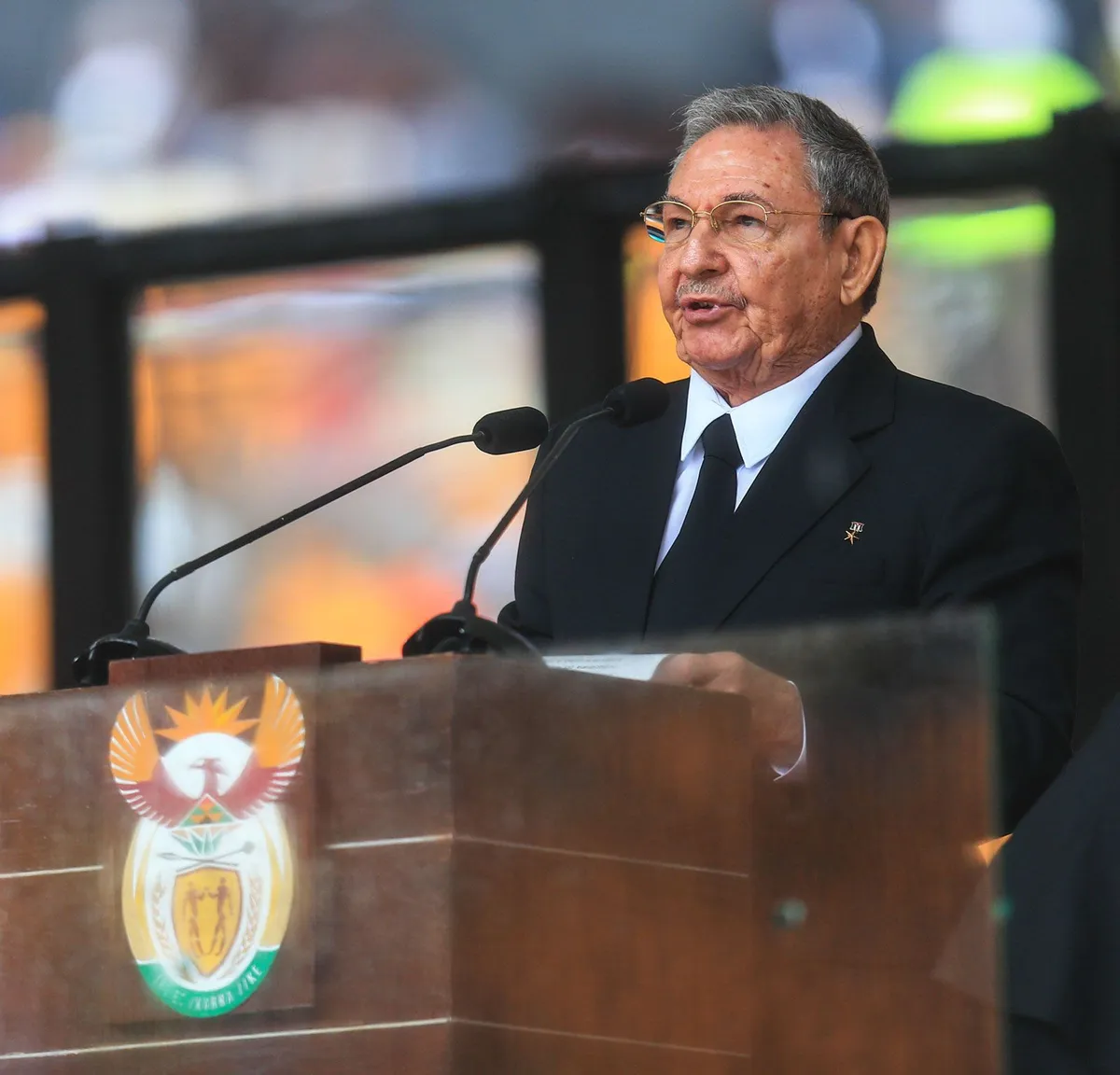
The legacy of Fidel Castro continues to shape Cuba’s political and economic landscape, with significant implications for the nation today. Following Castro’s retirement, his brother Raúl Castro took over the leadership of Cuba, marking a pivotal transition in the country’s governance. Raúl Castro served as the head of state from 2008 until 2018, during which he implemented various reforms aimed at addressing the economic challenges facing the nation.
Under Raúl Castro’s leadership, Cuba experienced a notable decline in its GDP, which fell by 11 percent in 2020. This economic downturn was exacerbated by the oil blockade imposed by the Trump administration, leading to nationwide blackouts and a humanitarian crisis, as highlighted by the United Nations. The blockade significantly affected the delivery of essential services, including healthcare, which was described by World Health Organization Director-General Tedros Adhanom Ghebreyesus as being in peril.
Raúl Castro’s presidency was marked by attempts to modernize the Cuban economy, including the removal of wage restraints and the allowance of private enterprise. These reforms resulted in the layoff of approximately 500,000 government employees, reflecting a significant shift in Cuba’s economic strategy. Despite these changes, the Cuban population remains largely affected by the historical context of the revolution, with around 70 percent of the population born after Fidel Castro’s rise to power in 1959.
Raúl Castro’s leadership also saw a thawing of relations between Cuba and the United States, particularly during his historic talks with President Barack Obama in 2014. These discussions led to the reopening of embassies and a re-establishment of diplomatic relations, marking a significant moment in U.S.-Cuba relations. However, the subsequent administration under Donald Trump reversed many of these diplomatic advances, reinstating tensions that had been eased under Obama.
In April 2021, Raúl Castro announced his retirement from the Communist Party, signaling an end to an era that began with his brother Fidel Castro’s leadership. This transition raises questions about the future direction of Cuba under the new leadership of Miguel Díaz-Canel, who has emphasized the need for dialogue and the establishment of common agendas of interest among the parties involved.
As Cuba continues to navigate its political and economic challenges, the impact of Fidel Castro’s policies and leadership remains evident. The country is in need of approximately 94 million dollars to address the ongoing energy crisis and the damage caused by hurricanes, highlighting the urgent need for effective governance and international support.
Details remain unconfirmed regarding the long-term effects of these transitions on Cuba’s political stability and economic recovery. The future of Cuba’s governance and its relationship with the international community will depend significantly on the actions taken by its current leaders in response to the challenges inherited from Fidel Castro’s era.
Related Posts
RBI
The Reserve Bank of India has launched a Benchmark Issuance Strategy for market borrowings, impacting nine states and RBL Bank's foreign investment.
Zimbabwe Cricket Set for T20 Series Against India in 2026
Zimbabwe is set to host India for a three-match T20 International series in July 2026, a significant opportunity for the team and...
Read out all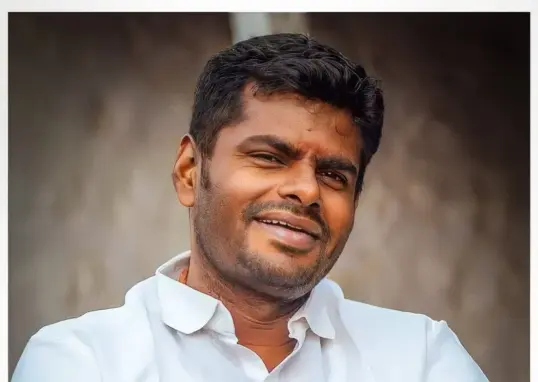
Annamalai: K ‘s Absence from BJP Candidate List for Tamil Nadu Elections
K Annamalai was not included in the BJP's candidate list for the upcoming Tamil Nadu elections, raising questions about his future in...
Read out all
Kuwait Attack Today: Iranian Drones Target Refinery and Desalination Plant
Today, Iranian drones struck key infrastructure in Kuwait, including the Mina al-Ahmadi refinery and a desalination plant, causing significant damage but no...

Rohini Sindhuri Faces Corruption Allegations in Karnataka
Rohini Sindhuri, a senior IAS officer, is under scrutiny for alleged corruption related to the procurement of eco-friendly bags in Karnataka.
US Army Chief Randy George Dismissed Amid Controversy
Pete Hegseth has announced the immediate retirement of US Army Chief Randy George, citing disputes over military promotions. This marks a significant...