
The numbers
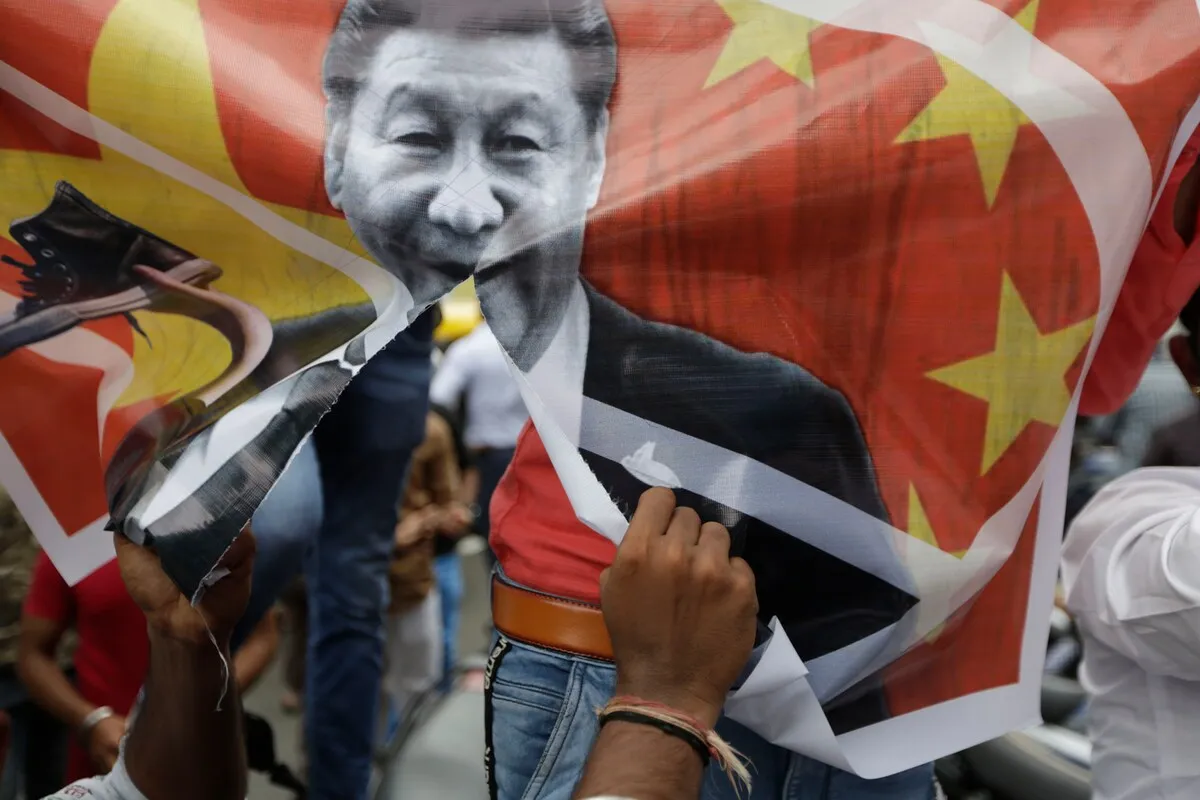
The Indian government will enforce a total ban on the sale of non-certified internet-connected CCTV cameras from Chinese manufacturers starting April 1, 2026. This decision comes as part of a broader effort to enhance national security and promote domestic manufacturing in the surveillance technology sector.
Chinese brands, particularly Hikvision and Dahua, previously held a significant share of India’s CCTV market, collectively accounting for one-third of the market until 2024. However, the landscape has shifted dramatically, with Indian companies now controlling over 80% of the market as of February 2026. CP Plus, a domestic manufacturer, has seen its market share surge to 45–50%, a significant increase from 20–25% prior to the new regulations.
The government has refused to certify products made in China or those using Chinese chipsets under the new Standardisation Testing and Quality Certification (STQC) rules. This has led to a substantial contraction in Dahua’s business, which has reportedly shrunk by 80%, limiting its operations to selling obsolete analog cameras.
The shift away from Chinese suppliers has not come without challenges. Industry experts note that the transition has resulted in a 15–20% rise in the bill of materials (BoM), increasing costs for manufacturers and consumers alike. A senior executive at a domestic electronics firm remarked, “The compliance requirements are stringent, particularly around disclosure of components and software integrity.”
Despite these challenges, the policy is seen as a catalyst for accelerating the shift towards indigenous manufacturing. An industry analyst stated, “This policy has accelerated the shift towards indigenous manufacturing,” highlighting the potential long-term benefits for local companies.
Existing installations of affected CCTV systems are not expected to face immediate disruption, allowing businesses and consumers to continue using their current equipment without concern for sudden obsolescence. However, the long-term implications of this ban could reshape the surveillance market in India.
As the enforcement date approaches, observers are closely monitoring the impact of these regulations on both the market and consumer behavior. Details remain unconfirmed regarding how the ban will affect ongoing contracts and the future landscape of surveillance technology in India.
Related Posts

RBI
The Reserve Bank of India has launched a Benchmark Issuance Strategy for market borrowings, impacting nine states and RBL Bank's foreign investment.

Zimbabwe Cricket Set for T20 Series Against India in 2026
Zimbabwe is set to host India for a three-match T20 International series in July 2026, a significant opportunity for the team and...
Read out all
Annamalai: K ‘s Absence from BJP Candidate List for Tamil Nadu Elections
K Annamalai was not included in the BJP's candidate list for the upcoming Tamil Nadu elections, raising questions about his future in...
Read out all
Kuwait Attack Today: Iranian Drones Target Refinery and Desalination Plant
Today, Iranian drones struck key infrastructure in Kuwait, including the Mina al-Ahmadi refinery and a desalination plant, causing significant damage but no...

Rohini Sindhuri Faces Corruption Allegations in Karnataka
Rohini Sindhuri, a senior IAS officer, is under scrutiny for alleged corruption related to the procurement of eco-friendly bags in Karnataka.

US Army Chief Randy George Dismissed Amid Controversy
Pete Hegseth has announced the immediate retirement of US Army Chief Randy George, citing disputes over military promotions. This marks a significant...