
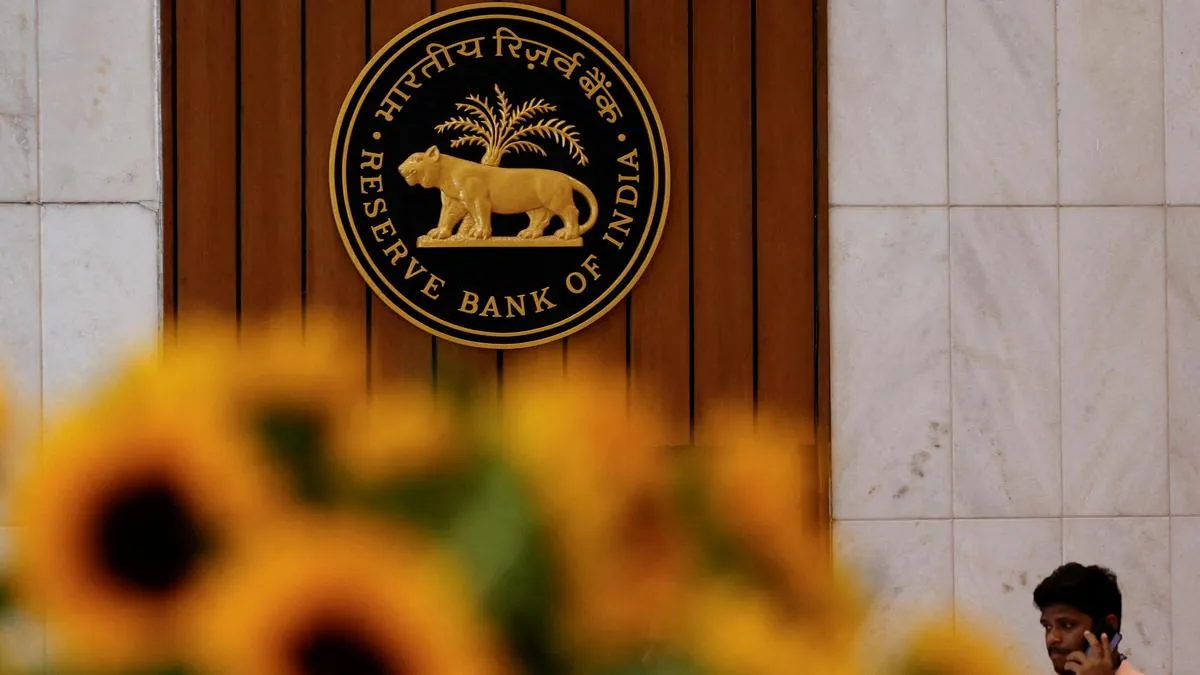
Prior to the recent decision by the Reserve Bank of India (RBI), the financial sector was preparing for the implementation of new capital market exposure rules, originally set to take effect on April 1, 2026. These guidelines were expected to reshape how banks engage with capital markets and finance acquisitions by Indian corporates.
However, in a decisive shift, the RBI announced a three-month postponement of these rules, now scheduled for July 1, 2026. This change comes after the central bank received numerous requests from banks, capital market intermediaries, and industry bodies seeking more time and clarity on operational issues related to the new regulations.
The amended guidelines, which were first issued in February 2026, aimed to provide a structured framework for banks to finance acquisitions. Notably, the RBI clarified that acquisition finance could only be extended for acquiring control over non-financial target companies. Additionally, it allowed for on-lending to subsidiaries for acquisition purposes.
As part of the new rules, the RBI has established caps on loans to individuals against eligible securities, limiting them to ₹1 crore per individual. Furthermore, the cap for subscribing to shares under Initial Public Offerings (IPOs), Follow-on Public Offers (FPOs), or Employee Stock Ownership Plans (ESOPs) is set at ₹25 lakh per individual.
This postponement comes at a time when the Indian rupee has faced significant pressure, recently hitting a historic low of ₹94.81 against the dollar. The currency has fallen four percent since the onset of geopolitical tensions, breaching critical levels in March 2026.
In response to the extension, the RBI stated, “The Reserve Bank has since received representations from banks, CMIs, and various industry associations seeking an extension of the effective date, and also flagging certain operational and interpretational issues for clarification.” This acknowledgment highlights the complexities involved in implementing the new rules.
Experts suggest that the delay may provide banks and financial institutions with the necessary time to adjust their operations and ensure compliance with the new regulations. The RBI’s decision reflects a willingness to engage with stakeholders and address their concerns.
As the new deadline approaches, banks will need to unwind large currency positions by April 10, 2026, as part of the RBI’s broader strategy to stabilize the currency market amidst ongoing economic challenges.
Details remain unconfirmed regarding any further adjustments to the rules or additional measures the RBI may consider in light of the evolving economic landscape.
Related Posts

Governance
The DMK raises concerns about the lack of anti-incumbency in BJP-ruled states. They highlight issues affecting opposition parties.
Read out all
Us iran news
Trump has paused the 'Project Freedom' operation, indicating possible advancements in US-Iran negotiations amidst rising tensions in the Strait of Hormuz.

Cv shanmugam and internal dissent in AIADMK
Internal dissent within the AIADMK is escalating as a faction of MLAs considers backing Vijay's TVK for government formation. CV Shanmugam plays...

Rahul Gandhi’s Confrontational Question to Selvaperunthagai
Rahul Gandhi confronted Selvaperunthagai with a tough question, stirring speculation ahead of the Vijay swearing-in ceremony.

Vivo x300 fe price
The Vivo X300 FE is expected to launch at Rs 79,999, a notable increase from the previous model. This smartphone aims to...
Read out all
Gold prices drop amid rising platinum rates
Gold prices in Bengaluru have decreased, offering a reprieve to buyers as platinum rates rise. This shift impacts 22K, 24K, and 18K...
Read out all