
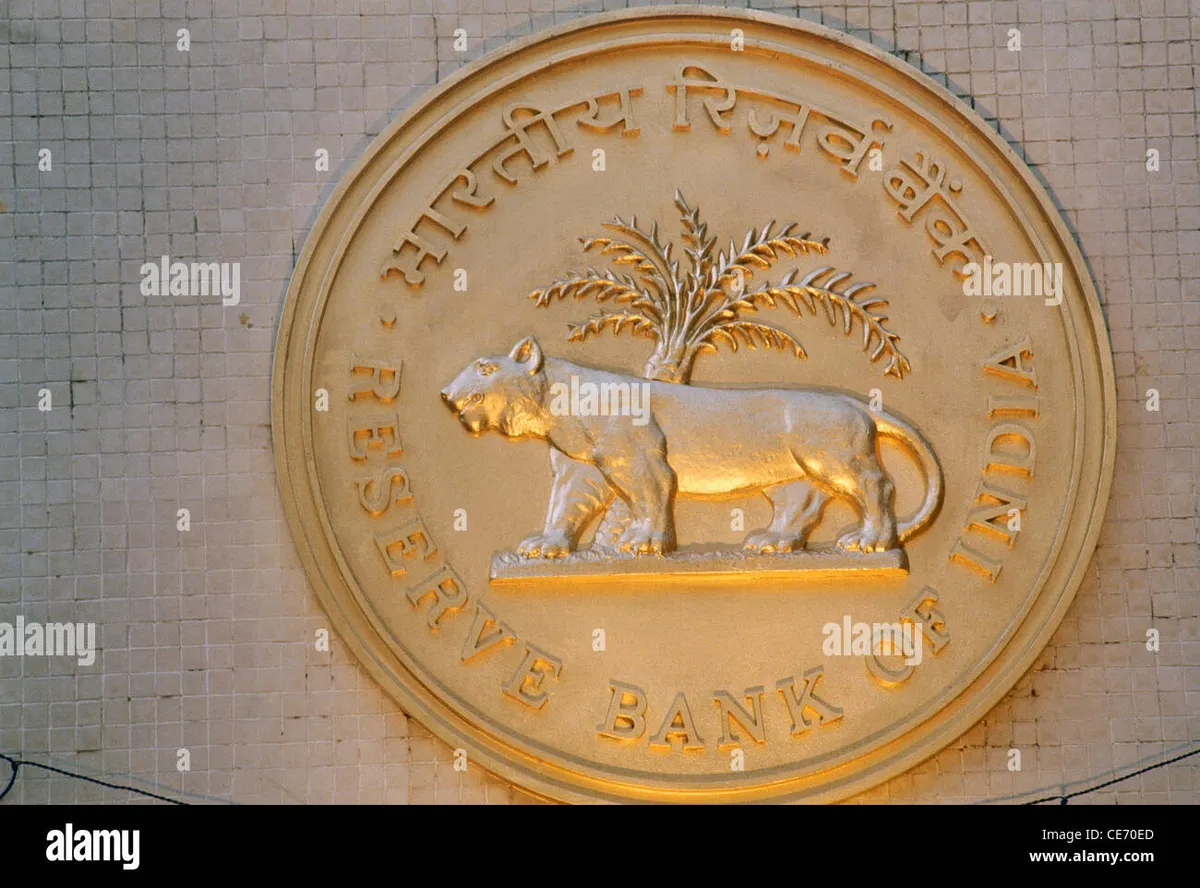
The Reserve Bank of India (RBI) has recently introduced a Benchmark Issuance Strategy (BIS) for market borrowings, a significant shift from previous expectations regarding state fiscal management. Prior to this development, state governments were managing their borrowings without a standardized approach, leading to varied outcomes in funding and financial stability.
As of April 1, 2026, the RBI’s BIS will be piloted in nine states: Andhra Pradesh, Bihar, Chhattisgarh, Kerala, Madhya Pradesh, Maharashtra, Rajasthan, Telangana, and Uttar Pradesh. This strategy involves issuing securities in specific benchmark tenor buckets according to a pre-announced calendar, a method aimed at enhancing predictability in the borrowing process.
The immediate impact of this strategy is evident in the projected total market borrowings by state governments and union territories for the April-June 2026 quarter, which is expected to reach ₹2,54,509 crore. This figure represents a decrease from last year’s first quarter borrowing calendar of ₹2,73,255 crore, indicating a more cautious approach to fiscal management.
Collectively, the nine states adopting the BIS will borrow ₹1,53,900 crore in the first quarter of FY27, a move that reflects a strategic shift towards more structured borrowing practices. RBI has been actively sensitizing states about the adoption of this new strategy, emphasizing its role as a cash and debt manager.
In a related development, the RBI has approved Emirates National Bank of Dubai (Emirates NBD) to acquire up to a 74% stake in RBL Bank. This approval, granted on April 1, 2026, is valid for one year and comes after Emirates NBD expressed interest in acquiring a majority 60% stake for ₹26,853 crore in October 2025.
However, the voting rights of Emirates NBD in RBL Bank will be capped at 26% of the total voting rights, a measure that aims to maintain a balance of power within the bank’s governance structure. The RBI has stated that the provisions applicable to foreign banks operating in wholly owned subsidiary mode will apply to this transaction, with some exceptions regarding board composition.
Additionally, the RBI is implementing restrictions on Non-Deliverable Derivatives (NDDs) to curb speculative trading and strengthen the domestic forex market. NDDs, which are offshore derivative contracts settled in cash without actual exchange of the domestic currency, have been identified as a potential risk to market stability.
Experts note that these changes are crucial as they influence market expectations and can exert pressure on the rupee through speculative positions. The RBI’s proactive measures reflect a broader strategy to stabilize and enhance the resilience of India’s financial markets.
Related Posts

Zimbabwe Cricket Set for T20 Series Against India in 2026
Zimbabwe is set to host India for a three-match T20 International series in July 2026, a significant opportunity for the team and...
Read out all
Today Bank Open: April 3 Bank Holiday in India
On April 3, banks across India will be closed for Good Friday, impacting banking operations. However, ATMs and UPI payments remain functional.
Read out all
Annamalai: K ‘s Absence from BJP Candidate List for Tamil Nadu Elections
K Annamalai was not included in the BJP's candidate list for the upcoming Tamil Nadu elections, raising questions about his future in...
Read out all
Kuwait Attack Today: Iranian Drones Target Refinery and Desalination Plant
Today, Iranian drones struck key infrastructure in Kuwait, including the Mina al-Ahmadi refinery and a desalination plant, causing significant damage but no...

Rohini Sindhuri Faces Corruption Allegations in Karnataka
Rohini Sindhuri, a senior IAS officer, is under scrutiny for alleged corruption related to the procurement of eco-friendly bags in Karnataka.

US Army Chief Randy George Dismissed Amid Controversy
Pete Hegseth has announced the immediate retirement of US Army Chief Randy George, citing disputes over military promotions. This marks a significant...