

How it unfolded
On April 5, 2026, the geopolitical landscape surrounding Iran became increasingly volatile as President Donald Trump issued a stark ultimatum demanding that Iran reopen the strategically vital Strait of Hormuz by a self-imposed Tuesday deadline or face military strikes. This demand came amid ongoing military escalations and heightened tensions in the region.
In response to Trump’s threats, Iranian officials declared their defiance, with one stating that they have ‘lost the keys’ to the Strait. This remark underscored Iran’s unwillingness to comply with U.S. demands, further escalating the situation. The Strait of Hormuz is a crucial passage for a significant portion of the world’s oil supply, and Iran’s control over it has been a point of contention for years.
As tensions mounted, Iran threatened to restrict access to the Bab el-Mandeb Strait if attacked by the U.S. or Israel. This warning was accompanied by a statement from Iran’s joint military command, which indicated a willingness to step up attacks on regional oil and civilian infrastructure, signaling a potential widening of the conflict beyond Iran’s borders.
On the same day, airstrikes targeted Tehran, resulting in explosions in civilian areas, including the city of Qom. Reports indicated that at least 13 people were killed in an airstrike near Eslamshar, and 5 fatalities were confirmed in a residential area of Qom. These developments reflected the increasing civilian toll as military operations intensified.
In a significant escalation, Iran downed a U.S. F-15E fighter jet, prompting a rescue operation involving multiple aircraft. This incident marked a critical moment in the conflict, showcasing Iran’s military capabilities and willingness to confront U.S. forces directly. In the wake of these events, Iran’s U.N. mission condemned Trump’s threats as ‘clear evidence of intent to commit war crime.’
As the situation deteriorated, Iran expanded its military response beyond its territory, targeting infrastructure in Gulf countries. This expansion of military operations raised concerns about a broader regional conflict, with diplomatic efforts ongoing to de-escalate tensions. Talks involving Oman and other regional powers were initiated to seek a peaceful resolution.
As of now, more than 1,900 people have been killed in Iran since the war began, with casualties also reported in neighboring countries. In Lebanon, 1,400 people have died, and there have been reports of injuries in the UAE due to debris from intercepted projectiles. The conflict has had a profound impact on the region, with Iran’s officials tying the reopening of the Strait to compensation for war damages.
Details remain unconfirmed regarding the exact number of casualties and the status of ongoing military operations. The situation remains fluid, and the potential for further escalation looms as both sides navigate this precarious geopolitical landscape.
Related Posts
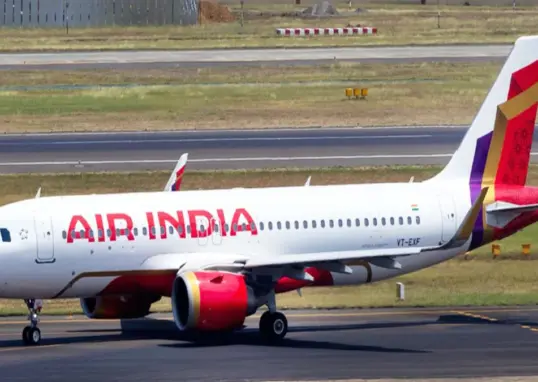
Air India UAE Non-Scheduled Flights
Air India has begun operating non-scheduled flights to the UAE as it suspends flights to Israel due to the ongoing conflict.
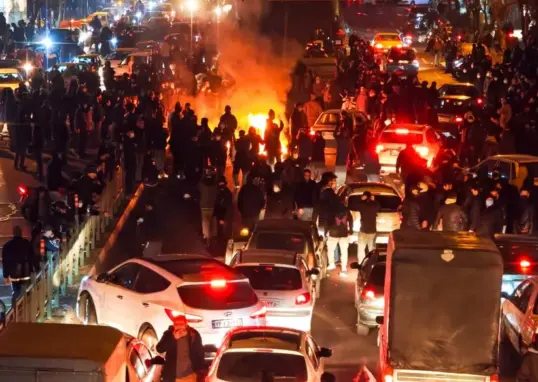
2026 Iran War
The 2026 Iran War erupted on February 28, 2026, following the assassination of Ali Khamenei, leading to significant military and geopolitical shifts.
Read out all
Himanta Biswa Sarma Faces Allegations of Foreign Assets and Multiple Passports
Himanta Biswa Sarma, the Chief Minister of Assam, is facing serious allegations regarding foreign assets and multiple passports held by his wife....

வருமான வரி: Income Tax Changes in India: New Meal Voucher Exemption Limit
The Indian government has announced a significant increase in the meal voucher tax exemption limit, impacting employee benefits.
Read out all
अधीर रंजन चौधरी: Adhir Ranjan Chowdhury Involved in Attack During Campaign
Adhir Ranjan Chowdhury and Shashi Tharoor faced attacks during their campaign in Malappuram, Kerala, highlighting rising political tensions.

Gujarat Prepares for Local Body Elections and Space Milestones
Gujarat is gearing up for local body elections on April 26, while also marking a milestone in space research with its first...