

How it unfolded
On April 2, 2026, the Indian government imposed an immediate ban on the import of all gold articles, a significant move aimed at controlling the rising gold prices and managing the trade deficit. This decision came in the wake of increasing gold imports, which had surged by 28.7% during the April-February period of the fiscal year 2025-26. The ban was a response to the growing economic pressures and inflationary concerns affecting the gold market.
Just days later, on April 6, 2026, the price of 24 karat gold in India reached ₹149,710 per 10 grams. This price point reflects a complex interplay of local and global market dynamics. At the same time, global gold prices fell to approximately $4,600 per ounce, indicating a broader trend of declining value in precious metals.
The backdrop of these developments includes rising inflation and ongoing concerns regarding the Federal Reserve’s interest rate policy. Investors have been wary, as these economic factors have pressured gold prices, traditionally viewed as a safe haven investment. As a result, market sentiment has shifted, with many questioning gold’s reliability as a protective asset.
On the same day, the dollar index (DXY) was trading above 100, further complicating the situation for gold investors. The strength of the dollar often inversely affects gold prices, making it more expensive for holders of other currencies. This dynamic has contributed to the struggles of gold as a safe haven investment, as highlighted by market analysts.
Despite these challenges, major financial institutions like JP Morgan and Goldman Sachs have set long-term targets for gold ranging from $5,000 to $6,300 for 2026. These projections suggest that while the short-term outlook may be bleak, there is potential for recovery in the long run, contingent on economic stabilization and shifts in market sentiment.
Currently, gold is facing significant headwinds, with economic conditions limiting any significant rallies in prices. Investors are closely monitoring the situation, as the immediate future of gold prices remains uncertain due to current economic conditions. Details remain unconfirmed regarding how long the ban on gold imports will last and its long-term impact on the market.
In summary, the recent developments surrounding gold prices in India and globally reflect a complex economic landscape. The interplay of inflation, interest rates, and government policies will continue to shape the market for gold, influencing both investors and consumers in the coming months.
Related Posts
रुपया: Rupee Weakens as Nifty IT Index Rises
The Nifty IT Index rose by 0.78% on April 6, 2026, influenced by the weakening Rupee. This trend is expected to affect...
Read out all
வருமான வரி: Income Tax Changes in India: New Meal Voucher Exemption Limit
The Indian government has announced a significant increase in the meal voucher tax exemption limit, impacting employee benefits.
Read out all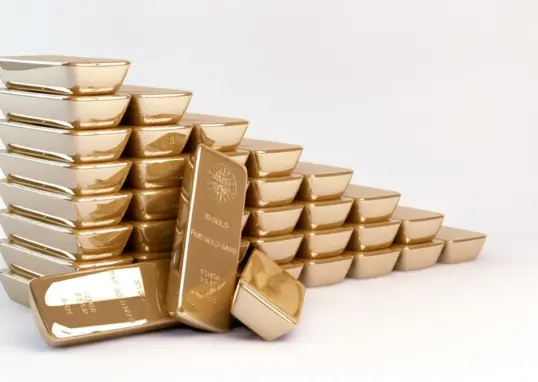
Gold Prices Decline Amid Market Adjustments
Gold prices have pulled back following a sharp rally, with international spot gold trading at approximately $4,650.20 per ounce. In India, domestic...
Read out all
Bank Holidays in India: April 2026 Update
Banks in India were open on April 4, 2026, as it was the first Saturday of the month, while April 5 is...
Read out all
Free Bitcoin: Jack Dorsey Announces Return of Bitcoin Faucet
Jack Dorsey has revealed plans to bring back the Bitcoin faucet, which will distribute free bitcoin to users. The initiative aims to...
RBI
The Reserve Bank of India has launched a Benchmark Issuance Strategy for market borrowings, impacting nine states and RBL Bank's foreign investment.